
Atlassian Cuts Date Picker Keystrokes 77% With Accessibility-First Design
Atlassian resolved 6,000 accessibility issues by embedding inclusive design into its core system, reducing date picker keystrokes 77%. Key insight for enterprise software leaders.

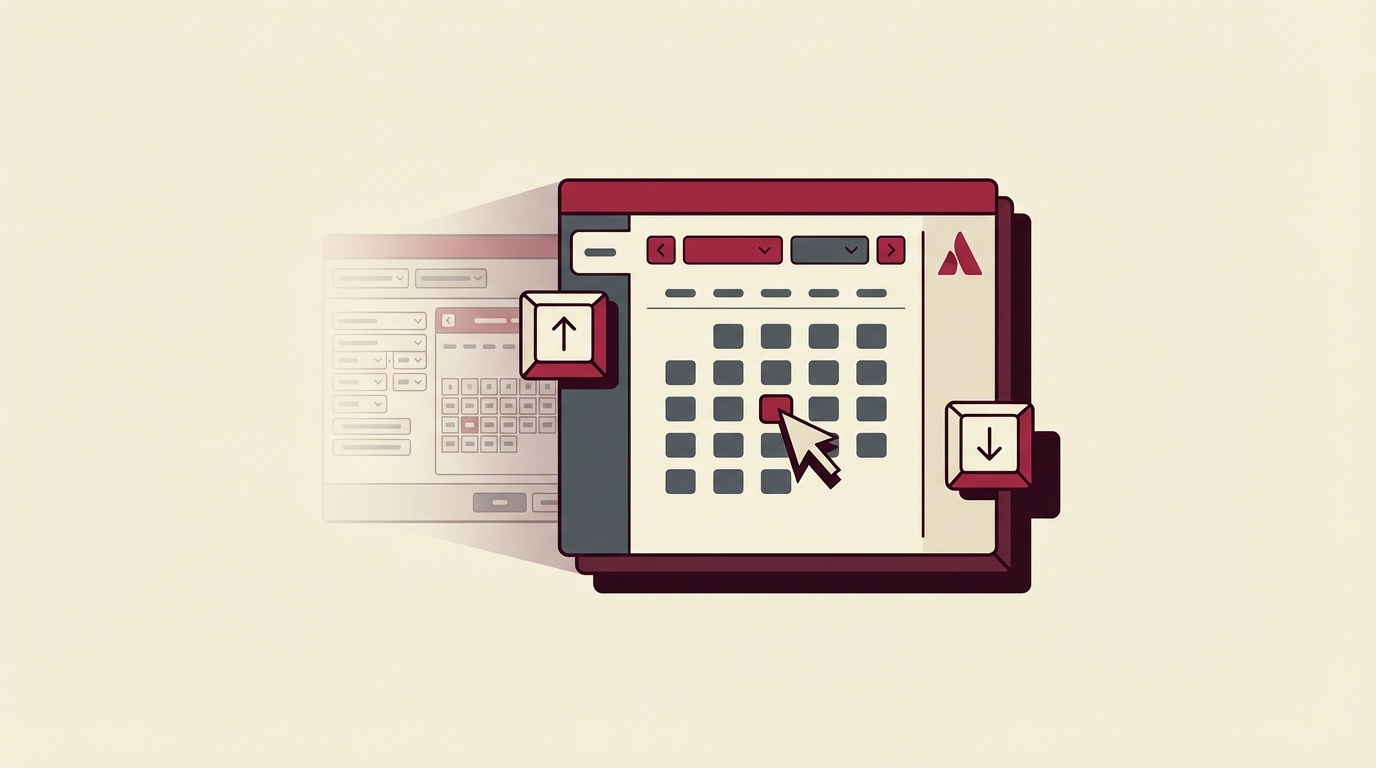
Atlassian resolved over 6,000 accessibility issues between June 2024 and June 2025 by embedding inclusive design standards into its core design system, the company announced. The initiative reduced keyboard navigation in its date picker from 52 keystrokes to 12 and established color contrast ratios meeting WCAG 2.2 AA standards expected to become baseline compliance requirements by 2026.
Infrastructure-First Approach Scales Across 50+ Products
The enterprise software company established a dedicated accessibility team two years ago, implementing what it calls a hub-and-spoke organizational model. Rather than requiring individual product teams to develop specialized expertise, Atlassian centralized accessibility knowledge within its design system team and automated compliance checks through custom Figma tooling.
 Mission Media
The approach focused on foundation-level changes through design tokens for color, typography, and motion. Color tokens were updated to achieve 3:1 contrast ratios across light and dark themes while preserving brand hierarchy. Typography adjustments improved legibility across different densities and scaling preferences. These token-level changes enable future components to automatically inherit accessibility fixes without additional development work.
"Accessibility isn't a separate track of design. It defines its quality," said Hendrik Petsch, Senior Product Designer for Accessibility at Atlassian. "That's why accessibility is integrated into the Atlassian Design System at every level."
The company developed design-time tools in Figma, including custom accessibility annotation libraries and contextual documentation guidance. The tooling reduces ambiguity between design and engineering teams by providing specifications during the design phase rather than requiring late-stage remediation.
Date Picker Redesign Demonstrates Systematic Impact
The date time picker component exemplifies Atlassian's infrastructure approach. The original version required 52 keystrokes to switch years using only keyboard navigation, featured poor contrast ratios, and provided confusing feedback for assistive technology users.
The redesigned component implemented semantic structure with consistent validation patterns, reducing keystrokes to 12 and achieving 3:1 contrast ratios on interactive elements. The changes added proper labels for screen readers and standardized error messaging across the platform.
Because the fixes occurred at the design token level, the improvements automatically propagated to other components using the same foundational elements. This multiplier effect enabled the resolution of thousands of accessibility issues through relatively few foundational updates.
Career Integration and Community Building
Atlassian embedded accessibility into career development profiles and objectives and key results (OKRs) for design roles. The company established an Accessibility Design Specialists community to support ongoing education and created regular engagement programs.
The systematic approach addresses a common challenge for distributed product teams: maintaining consistent accessibility standards without requiring every designer and developer to become specialized experts. By centralizing knowledge and automating checks through tooling, Atlassian positioned accessibility as a baseline quality standard rather than a separate initiative.
The company's focus on WCAG 2.2 AA conformance across its product portfolio aligns with industry expectations that these standards will become mandatory compliance requirements in major markets by 2026. The foundation-first approach positions the platform ahead of regulatory timelines while improving usability for all users, not just those requiring assistive technology.
Want to stay up-to-date on the stories shaping Asia's media, marketing, and comms industry? Subscribe to Mission Media for exclusive insights, campaign deep-dives, and actionable intel.