
Blind Boxes Take Over Black Friday as TikTok Unboxings Surge
Blind boxes are reshaping Black Friday as Pop Mart's Labubu hits 1,200% US growth. CMOs must understand how suspense-driven retail drives conversion without heavy discounts.


Pop Mart’s Labubu collectibles have become one of the clearest indicators of how consumer behavior is shifting, not only in China but across global retail. The company reported more than 1,200% year-over-year revenue growth in the US in Q3, propelled by a surge in demand for its Labubu figurines that ultimately placed the product at number 10 on Google’s Holiday 100 list.
For Asia’s CMOs, this is not just a collectibles phenomenon. It is an increasingly relevant case study on how suspense-driven retail formats are reshaping consumer engagement.
 Leighton Cosseboom
Blind Boxes Become a Global Retail Language
Blind boxes, once considered a novelty, are now a mainstream marketing format. Searches for the term have increased by more than 1,000% over the last five years. The appeal lies in a powerful combination of scarcity, storytelling, reward anticipation, and camera-friendly packaging that performs exceptionally well on social video platforms.
With Black Friday, 11.11, Ramadan promotions, and year-end gifting cycles coming into view, marketers across Asia are watching how blind boxes drive conversion without relying heavily on discounts or traditional promotions.
The concept itself is simple but effective. A blind box contains a themed product that remains hidden until the moment of opening. Brands like NECA have leaned into this with categories such as sci-fi, horror, and pop culture. Searches for NECA products have risen 31% in two years, showing strong consumer interest in the mystery format.
Pop Mart has refined the mechanism with Labubu boxes by giving buyers certainty of the product line while maintaining suspense around the exact figurine inside. Collectors have paid more than US$10,000 for rare Labubu pieces, and a large-scale Labubu was auctioned in Beijing for US$170,000. The blend of guaranteed value and the possibility of a high value pull fuels repeat purchasing and strong word of mouth.
 Leighton Cosseboom
A Blueprint for Asian Brands Expanding Globally
For Asian CMOs, Pop Mart’s expansion strategy is just as instructive. The brand opened its first US store in 2023 and now operates approximately 40 retail locations across the country, supported by more than 400 stores in China. Search interest in “Pop Mart store” is up 2,000% across two years, suggesting that the in-store experience itself has become a draw.
In Europe, annual revenue growth has reached between 735% and 740%, and new stores in cities like Manchester have attracted queues lasting several hours. The global rise of Pop Mart’s retail presence suggests that Asian IP-driven products can scale internationally when supported by the right engagement model.
The deeper mechanics behind blind box success come from gaming. Search interest in “loot boxes in games” has jumped 7,200% over five years, and more than 70% of Steam games monetize through loot box features. This is highly relevant to Asia, where mobile gaming culture, gacha mechanics, and anime-driven IP ecosystems already influence consumer behavior.
Pop Mart’s commissioned study found that 70% of its customers buy three or more blind boxes when trying to obtain a specific character. China has imposed restrictions on blind box purchases for minors in recognition of the format’s psychological pull. For CMOs in Asia, the lesson is clear. Gamified product experiences can create repeat engagement that traditional promotions rarely match.
 Leighton Cosseboom
TikTok and the Future of Experiential Commerce
TikTok acts as the accelerator. Unboxing videos have grown 192% in search interest over five years, with more than 15.8 million TikTok posts under the unboxing hashtag. Monthly YouTube searches for “Labubu unboxing” exceed 100,000, and many top TikTok unboxing clips have surpassed 5 million views.
Unboxing triggers mirror neuron activation and vicarious anticipation, allowing viewers to share in the excitement. Last holiday season, more than 50% of US shoppers said TikTok unboxings and reviews influenced their gift decisions. Similar behavior is taking hold quickly in Indonesia, the Philippines, Thailand, and Vietnam, which are among the fastest-growing TikTok commerce markets in the world.
Labubu’s peak may gradually cool, with Pop Mart’s share price down more than 35% from its August high and search interest showing early signs of decline. However, the blind box format is not losing momentum. SMISKI has seen a 6,500% surge in search interest over five years. Sonny Angels are up 96% in two years with more than 150,000 TikTok posts. Hirono blind box searches have risen 311% in two years.
Pop Mart is also preparing its other IPs, such as Skullpanda and Hirono, for stronger international rollout. For Asia’s brand leaders, the takeaway is that while specific characters may cycle in and out of fashion, the underlying model continues to strengthen.
 Leighton Cosseboom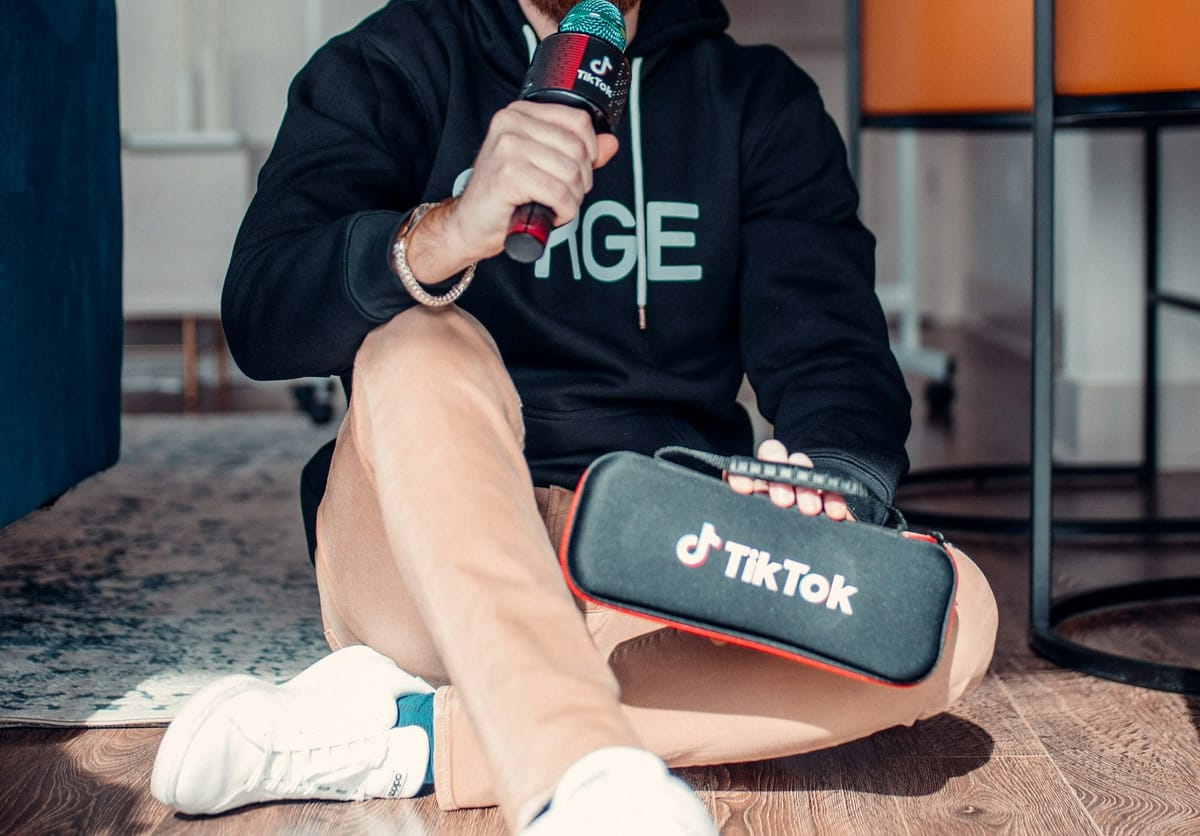
Blind boxes are also spreading into mainstream categories beyond toys. Le Creuset has introduced mystery bundles valued at US$300 or more and sold at US$50 during special events. Beauty brand P Louise has experimented with blind makeup boxes after generating US$2 million in a single TikTok livestream. Retailers such as HMV package themed pop culture assortments into mystery boxes, while liquidation platforms curate blind boxes of surplus inventory across household, beauty, and craft categories.
Search interest in “liquidation store” has increased 233% in five years, and the trend suggests an opportunity for Asian FMCG, beauty, and home brands to clear inventory more engagingly. Even Advent calendars have helped normalize the blind box concept. Searches for “beauty advent calendar” have risen consistently over four years, and TikTok’s advent calendar hashtag now hosts 1.2 million posts.
For Asia’s CMOs, the opportunity lies in integrating anticipation into product design, campaign planning, and retail experiences. Blind boxes can anchor limited-time promotions for Lunar New Year, Ramadan, Hari Raya, 11.11, or mid-year mega sales. Brands can develop unboxing-ready packaging that performs well on TikTok and YouTube, structure product tiers to introduce rarity, collaborate with creators to drive unboxing visibility, or embed mystery rewards into loyalty programs.
Blind boxes function at the intersection of social entertainment, gaming psychology, and retail economics. Their rise shows how consumer expectations are shifting from transactional shopping to experiential shopping. For marketers in Asia, understanding this shift is no longer optional. It is a competitive edge.
Want to stay up-to-date on the stories shaping Asia's media, marketing, and comms industry? Subscribe to Mission Media for exclusive insights, campaign deep-dives, and actionable intel.

Want to reach thousands of marketing and comms professionals across Asia?
Get your brand in front of industry decision-makers.
Partner with Mission Media →