China's 'Reverse Great Firewall' Cuts Foreign Access to Government Data
60% of Chinese government website blocks are intentional policy, not technical faults. Multinational teams lose access to critical intelligence platforms for market research and competitor analysis.

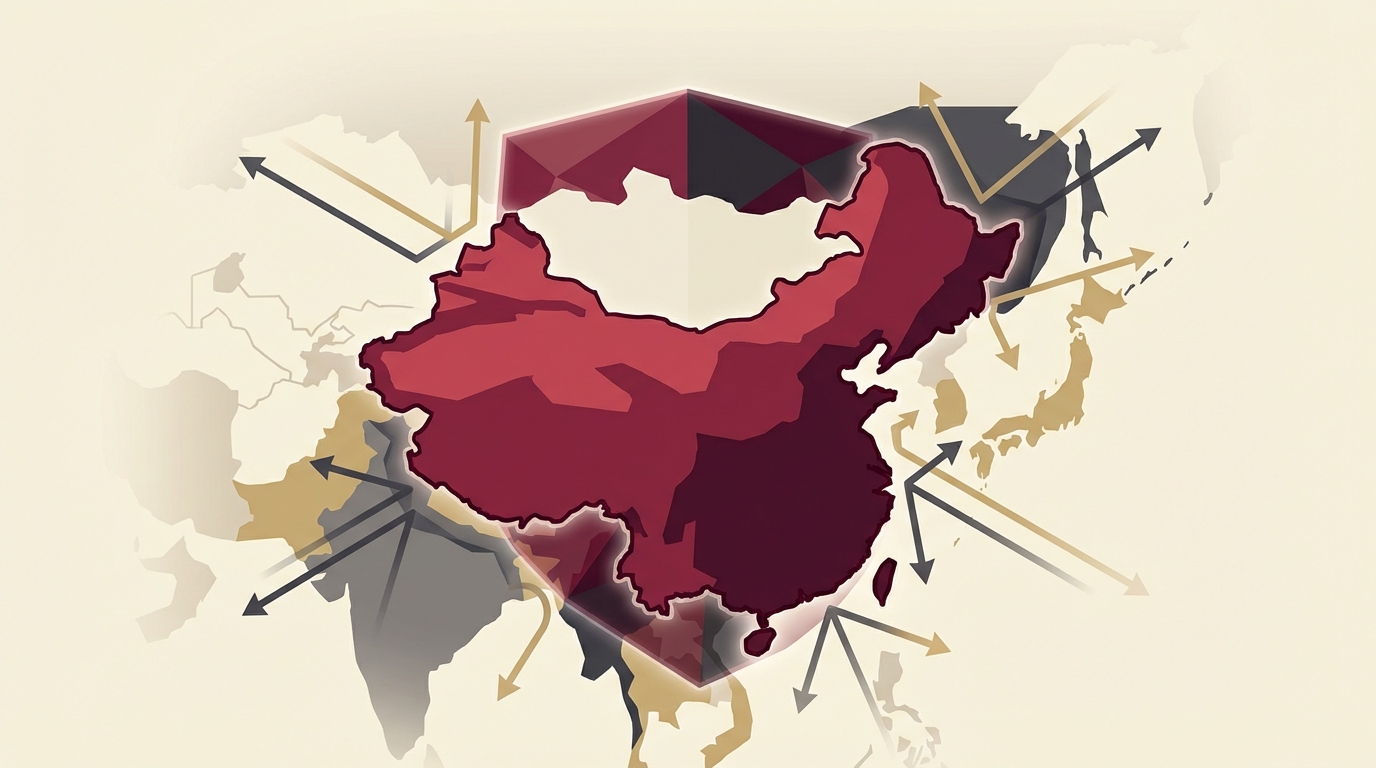
Academic research published in February 2025 has found that more than half of Chinese government websites are now inaccessible from multiple countries, in what researchers describe as a coordinated "Reverse Great Firewall" blocking inbound foreign access to domestic government information.
Majority of Blocks Are Deliberate Policy, Not Technical Faults
The February 2025 research found that approximately 60% of access failures represent intentional policy decisions, while the remaining 40% reflect network bottlenecks and fragmented infrastructure.
 Mission Media
The findings invert the commonly understood logic of China's original Great Firewall, which restricts Chinese users from accessing foreign content. The Reverse Great Firewall blocks foreign users from accessing Chinese government data.
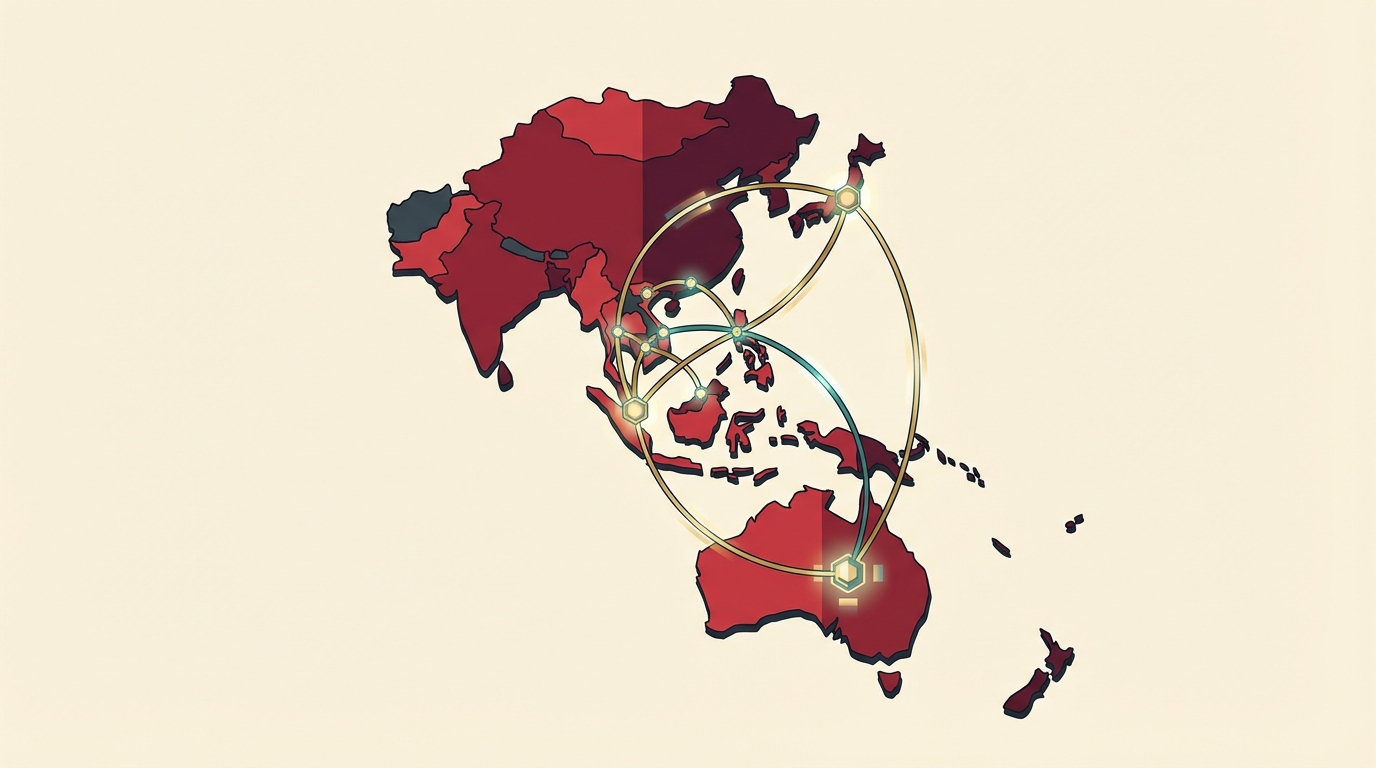
Geo-blocking patterns are concentrated in small batches of province and prefecture-level jurisdictions, meaning the information blackout is uneven. Some regional data remains accessible while others are systematically blocked.
Three Major Research Platforms Already Cut Off
Between 2022 and 2023, three widely used commercial intelligence platforms were cut off from foreign access: Qichacha (corporate registry data), China National Knowledge Infrastructure or CNKI (academic and policy research), and Wind (financial data and analytics).
Multinational marketing, finance, and research teams had relied on these platforms for competitor analysis, market sizing, and regulatory research in China.
In May 2024, the National People's Congress geo-blocked all users outside mainland China, Hong Kong, Macao, and Taiwan. Access was later restored, but the episode demonstrated that even top-tier legislative sources can restrict access without advance notice.
As of March 2025, top suggested search completions for "government website" in Chinese include "cannot enter government website" and "cannot open government website," indicating the access gap affects Chinese citizens abroad and international business stakeholders as well.
Regulatory Penalties Escalate Simultaneously
China's amended Cybersecurity Law, effective January 1, 2026, raises maximum corporate penalties to CNY 50 million (US$6.9 million) or 5% of prior-year turnover. Maximum individual penalties reach CNY 1 million (US$138,000).
A December 28, 2025, Cyberspace Administration of China directive required companies collecting minors' data to file compliance audits by January 31, 2026, a window of just 34 days.
Hong Kong's new critical infrastructure cybersecurity rules, effective early 2026, impose fines up to HK$5 million (~US$643,000) plus daily penalties. Businesses that used Hong Kong as a data bridge between mainland China and global operations now face materially higher compliance risk.
Broader Regional and Long-Term Implications
Research published in the Journal of Cybersecurity in February 2026 identifies China's IP-based filtering model as one likely to be adopted by other state actors pursuing information sovereignty, suggesting the Reverse Great Firewall may serve as a template across multiple Asian markets.
China's 15th Five-Year Plan (2026 to 2031) signals continued data-focused policy tightening through institutions such as the State Information Centre, providing a five-year planning horizon for businesses that currently treat access restrictions as temporary conditions.
In Australia, researchers face compounding barriers: China's external blocking combined with domestic foreign interference compliance requirements is reducing the pool of qualified China-market specialists available to advise businesses.
Chinese authorities frame geo-blocking as a cybersecurity measure, citing that domestic cloud platforms accounted for over 50% of DDoS attacks as of 2019.
Want to stay up-to-date on the stories shaping Asia's media, marketing, and comms industry? Subscribe to Mission Media for exclusive insights, campaign deep-dives, and actionable intel.