
Crypto Scandal in Hong Kong Triggers PR Firestorm
Hong Kong's HK$1.6 billion JPEX fraud exposes influencer liability risks and forces CMOs to rethink crypto partnerships under tighter regulatory scrutiny.

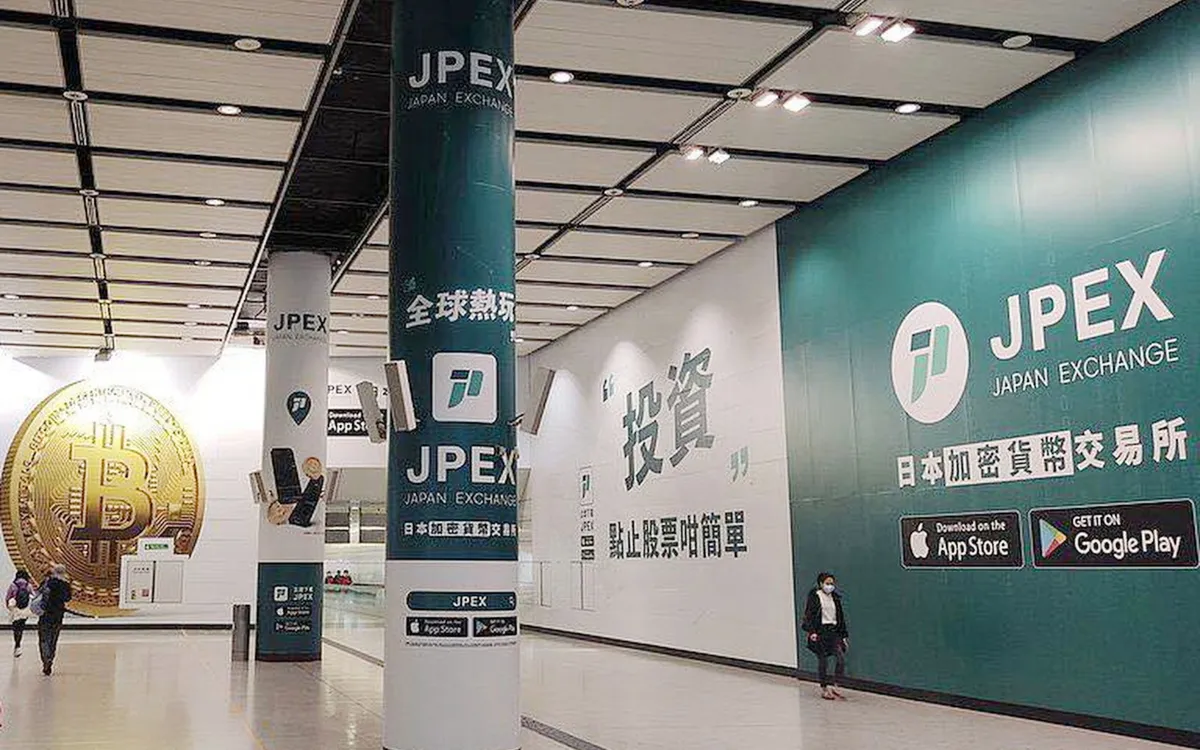
Hong Kong police arrested 80 suspects linked to the HK$1.6 billion (US$205.8 million) JPEX cryptocurrency exchange fraud, marking the first prosecution under the city's 2023 anti-fraud law. The scandal, involving over 2,700 victim reports and 14 identified core members, has intensified scrutiny on how companies manage communications during regulatory investigations.
Authorities charged 16 individuals with "conspiracy to defraud," including social media influencers who promoted the platform. Police froze assets worth over HK$200 million (US$25.7 million) while two masterminds and one core member fled overseas, prompting Interpol red notices.
JPEX attracted investors through extensive advertising campaigns that promised high returns and low risk before laundering funds through cryptocurrency wallets.
Regulatory Response Highlights Comms Challenges
The Securities and Futures Commission (in promotional activities without properly disclosing the risks or their ) issued 15 warnings about unauthorized crypto platforms in 2025, including alerts about HongKongDAO and BitCuped. These actions demonstrate how regulators now coordinate public messaging to combat misinformation about unlicensed operations.
The JPEX case exposed vulnerabilities in influencer-driven marketing strategies. Among those charged were social media personalities who allegedly assisted in promotional activities without properly disclosing the risks or their licensing status. For marketing leaders, this highlights growing liability concerns when partnering with third-party endorsers in regulated industries.
Per the Kroll 2025 Financial Crime Report, the JPEX case underscores why PR pros must align crisis communications with regulatory actions from day one. Kroll's research found 70% of Hong Kong executives expect increased financial crime risks by 2025, with AI and cyber threats as primary concerns.
 Leighton Cosseboom
Cross-Border Enforcement Complicates Messaging
The JPEX investigation illustrates coordination challenges across jurisdictions. While Hong Kong authorities moved swiftly with arrests and asset freezes, fugitive masterminds remain at large internationally. This creates ongoing PR complications as companies must address questions about restitution timelines and recovery prospects.
A separate case involving Cambodia's Prince Holding Group, a US$14 billion "pig-butchering" scam, required crisis strategies integrating legal compliance and ASEAN regulatory coordination. US and UK sanctions, combined with regional task force collaboration, resulted in asset recovery and enhanced cross-border compliance protocols.
Hong Kong's status as a financial hub creates unique pressures. The city processed US$64 billion in digital asset transactions in 2024, making it both a proper innovation center and a target for sophisticated fraud networks. Regulators respond with aggressive measures, including joint statements from the Hong Kong Monetary Authority and SFC on stablecoin risks.
 Leighton Cosseboom
Strategic Implications for Comms Teams
The JPEX prosecution demonstrates how legal frameworks now directly impact comms strategies. Companies operating in crypto and financial services face heightened expectations for rapid disclosure, regulatory alignment, and public education campaigns.
Press conferences coordinated between police and the SFC illustrate how authorities control narratives during investigations. The announcement of frozen assets worth HK$200 million (US$25.7 million) provided concrete evidence of enforcement action, helping maintain public confidence despite ongoing fugitive searches.
For executives evaluating crisis PR partners, the ability to coordinate with regulatory bodies while managing media monitoring becomes essential.
The case also highlights measurement challenges. With 2,700 victim reports and multiple jurisdictions involved, tracking sentiment across Chinese and English media channels requires sophisticated monitoring capabilities. Companies need partners who can demonstrate measurable outcomes in narrative control during prolonged investigations.
Hong Kong's proposed licensing regime for crypto platforms will create additional compliance communications requirements, making agency selection increasingly strategic for financial services marketers across Asia.
Want to stay up-to-date on the stories shaping Asia's media, marketing, and comms industry? Subscribe to Mission Media for exclusive insights, campaign deep-dives, and actionable intel.

Want to reach thousands of marketing and comms professionals across Asia?
Get your brand in front of industry decision-makers.
Partner with Mission Media →