Customer Engagement Is Becoming A Platform Consolidation Test
Salesforce's US$5.66 billion Braze deal promises faster links between customer behaviour and cross-channel action. For CMOs, the harder test is whether the combined platform removes duplicated tools, integrations and decision layers or simply places more complexity behind one vendor.


Salesforce announced on 20 October that it had agreed to acquire customer-engagement platform Braze for approximately US$5.66 billion in enterprise value. The all-cash agreement would give Braze shareholders US$47.50 per share and is expected to close in Salesforce's 2028 fiscal year, subject to shareholder and regulatory approvals.
The price draws attention, but the CMO decision sits elsewhere. Salesforce is buying a faster connection between live customer behaviour and cross-channel action. Whether that reduces marketing complexity will depend on which products Salesforce integrates, retires or leaves overlapping after the deal closes.
What Salesforce Is Buying
Braze responds to customer activity across mobile apps, websites, email, SMS, WhatsApp and other channels. Its event-streaming architecture continuously updates profiles and adapts journeys, while BrazeAI optimises content, offers, channels and timing. Salesforce said the platform powers trillions of messages and journey actions each year and serves about 2,770 customers, including Canva, Instacart, Urban Outfitters and Venmo.
Salesforce plans to connect those capabilities with Marketing Cloud, Data 360, Customer 360 and Agentforce. Patrick Stokes, Salesforce's president of applications and marketing, said Braze was built to turn live behaviour into "personalized engagement at scale."
That makes the acquisition less about adding another messaging tool than shortening the distance between a signal and a response. A product view, abandoned basket or service interaction could move more quickly from Salesforce's customer record into a coordinated message. For CMOs, that promise matters only if the combined platform removes handoffs rather than adding another decision layer.
 Mission Media
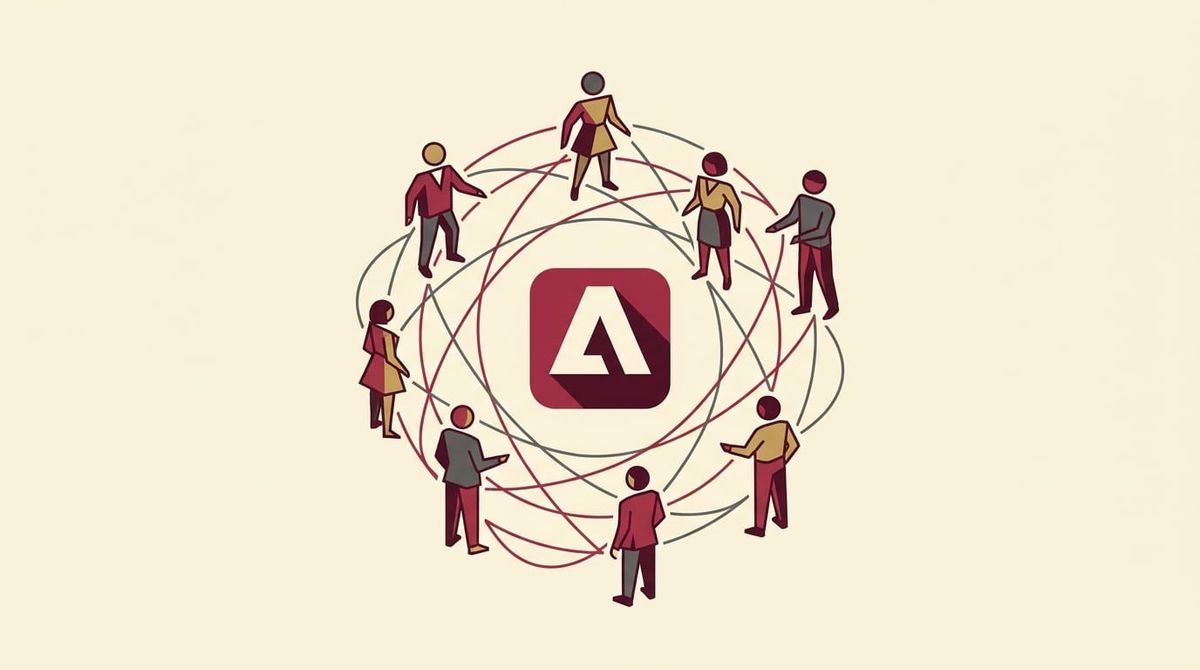
Why Consolidation May Not Simplify The Stack
Salesforce already has customer data, journey orchestration, campaign automation and AI products. Braze brings modern real-time engagement, but it also creates immediate overlap questions: where the master profile sits, which product controls journeys, how permissions travel across systems and whether marketers retain two interfaces or gain one workflow.
Independent analysts have made that risk explicit. West Monroe's Alex Torgerson told TechTarget that the strategic logic was sound, but that value "hinges entirely on integration and customer migration." MarTech similarly noted that consolidation can place complexity behind one brand without actually removing it.
The deal therefore gives marketing leaders a procurement test, not a reason to pause every platform decision. Teams should map current contracts, integrations, data flows and specialist skills now, then judge Salesforce's roadmap against measurable reductions in duplication, campaign latency and operating cost. A broader suite is not automatically a simpler stack.
Looking for World-Class PR & Comms in APAC?
Tailored service packages for select brands and agencies.
The Market Is Converging On Connected Execution
Salesforce is not alone in trying to connect customer context with automated action. SAP's October customer-experience release introduced campaign and content assistants that coordinate customer-facing work with wider business processes. In September, HubSpot unveiled a rebuilt assistant, a self-updating CRM and a shared Marketing Studio. Adobe has also linked customer data, orchestration and agentic tools through CX Enterprise.
The distinction is how vendors assemble the capability. Salesforce is paying for Braze's event-driven architecture and established customer base, while competitors are extending products they already control. That puts unusual pressure on Salesforce to show a credible product hierarchy, migration path and timetable before the expected fiscal 2028 close.
For agencies and systems integrators, the opportunity may shift from installing more tools to redesigning ownership across data, journeys, content and approvals. The risk is that integration work becomes the product, absorbing budget that was supposed to improve customer experience.
Mission Media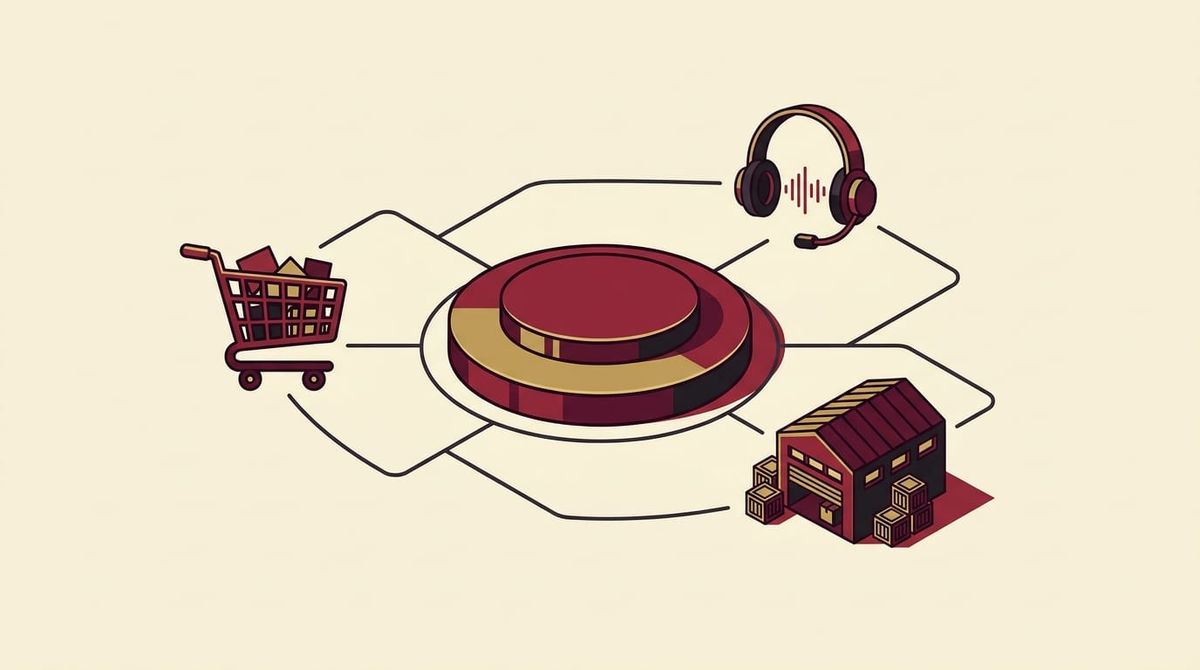
What CMOs Should Decide Before The Deal Closes
Regional marketing leaders should ask Salesforce and Braze for specifics on data residency, consent propagation, language and messaging-channel support, partner access and product continuity in each APAC market. Those details matter when one regional journey spans email, apps, SMS and WhatsApp under different regulatory and operational conditions.
CMOs should also decide which outcome would justify consolidation. Faster activation, fewer integrations, lower total cost and clearer accountability are testable goals. General promises of richer personalisation are not.
The acquisition suggests that real-time engagement is becoming core infrastructure for large marketing platforms. It does not yet prove that one vendor can turn a portfolio of overlapping products into one coherent operating environment. Until Salesforce publishes that path, the executive task is to preserve choice, document dependencies and make simplification a contractual outcome rather than an assumed benefit.
Want to reach thousands of marketing and comms professionals across Asia?
Get your brand in front of industry decision-makers.
Partner with Mission Media →


