
ZUS Coffee’s Crisis Response Shows Why Employee Loyalty Is the New PR
The viral customer clash shows how defending frontline staff can strengthen brand trust in Asia, as public sentiment shifts away from “the customer is always right.”

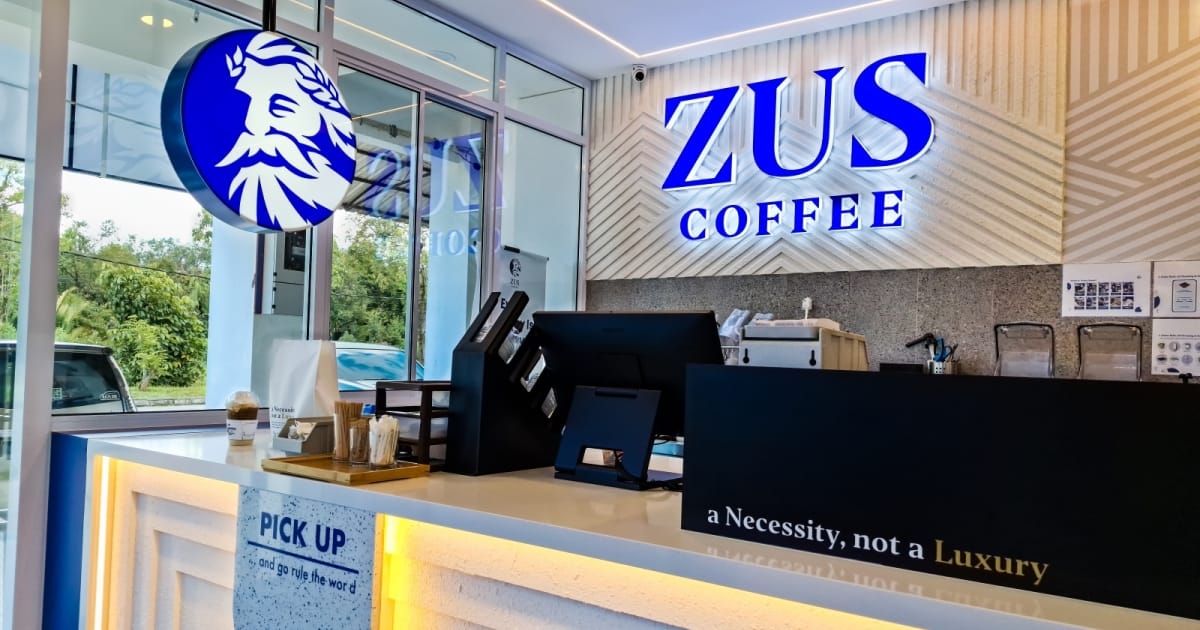
Malaysia's ZUS Coffee faced a social media firestorm this week after a November 9 altercation between a customer and barista went viral. But the company's swift defense of its employee has sparked broader questions about how Asian brands balance customer service with staff protection.
The confrontation at a ZUS Coffee outlet escalated when a Chinese-speaking customer threw coffee at the employee, prompting the barista to toss an empty cup in response. ZUS Coffee immediately placed the employee on paid leave, filed a police report, and issued public statements rejecting customer abuse.
Social media monitoring registered 281,000 mentions on November 10, with 70% of negative sentiment directed at the customer's behavior rather than the employee. Approximately 35% of online comments explicitly supported the ZUS barista, criticizing the outdated "customer is always right" approach and advocating for staff rights. Another 20% of commenters threatened to boycott ZUS if it disciplined the employee.
"We do not tolerate disrespectful behaviour towards our employees or customers. We are committed to keeping our stores safe," ZUS Coffee management stated.
The ZUS incident stands in sharp contrast to a September 2025 case where Starbucks Malaysia terminated a barista who muttered "bodoh" (stupid) at customers. That decision triggered public backlash against Starbucks, compounded by pre-existing boycott movements. The divergent public reactions suggest that brand perception and local sentiment significantly influence how consumers judge corporate crisis responses.
Troublingly, about 25% of social media reactions to the ZUS case included anti-mainland Chinese sentiment, underscoring cultural tensions in Asian service industries.
Meanwhile, 52% of Malaysians boycotted brands linked to Israel in 2025, with over 60% preferring local alternatives, according to research by Ampersand Advisory and InsightzClub.
The ZUS Coffee response reflects broader momentum toward employee advocacy across Asian markets. By 2025, 76% of Asian businesses had implemented programs prioritizing staff welfare as a brand reputation strategy, recognizing that frontline employees directly shape customer perceptions.
 Leighton Cosseboom
Henkel Asia-Pacific won Singapore's 2024 HR Excellence Award for its employee advocacy program, demonstrating measurable returns on frontline staff empowerment. Similarly, AkzoNobel Asia achieved 98% employee satisfaction in product knowledge through localized training, directly linking staff welfare to improved customer interactions.
These cases illustrate how companies are rebalancing power dynamics between customers and employees, particularly as social media amplifies incidents and enables rapid public mobilization around worker treatment.
The ZUS incident offers lessons for brands navigating employee-customer conflicts in the social media age. Companies must now consider how crisis response decisions affect both customer relationships and employee morale, with potential boycott threats emerging from either direction.
Brands across Asia are reassessing customer service policies, investing in frontline safety measures, and updating crisis comms protocols to account for shifting public attitudes. The viral nature of service industry conflicts means companies have limited time to respond before public opinion solidifies, making pre-established policies and rapid decision-making frameworks essential.
ZUS Coffee's handling of the incident demonstrates how defending employees can strengthen brand loyalty among consumers who value worker protection, even as companies navigate complex regional sentiment and cultural dynamics.
Want to stay up-to-date on the stories shaping Asia's media, marketing, and comms industry? Subscribe to Mission Media for exclusive insights, campaign deep-dives, and actionable intel.