
Human Craft Is Becoming A Brand Signal In AI-Saturated Creative
Four Pillars Gin is making visible human craft part of its new masterbrand platform. As AI makes creative scale cheaper, CMOs face a sharper choice about where automation drives efficiency and where human effort still creates distinctive brand value.


Four Pillars Gin launched “Expect Different” on October 1, a national masterbrand platform developed with independent agency Weave and rolling out across out-of-home, social and digital channels. The campaign marks a shift away from product-by-product communication toward one longer-term brand idea that can stretch across the portfolio.
The production choice is unusually central to the proposition. Instead of generating the campaign world with AI, Four Pillars and Weave built physical sets, choreographed stagehands and used theatrical transitions inside a single unbroken camera shot. The point is not merely how the film was made. The making itself becomes part of what the brand wants audiences to notice.
When Production Method Becomes Brand Meaning
Weave executive creative director Dan Cookson said the team wanted the film to feel “proudly real” as social feeds fill with AI-generated material. He described the extra complexity of practical production as part of the creative charm, because viewers can feel the human craft behind the finished work.
That logic fits the product story. Lion marketing manager for spirits Amanda Bronesky said Four Pillars had previously focused much of its communication on individual products, while “Expect Different” is intended to act as a long-term masterbrand platform. In other words, the craft of the advertising is being asked to echo the craft cues of the gin itself.
For CMOs, that distinction matters. Human production is not automatically better than AI production, but it can carry brand meaning when the effort, imperfection or physical process reinforces the product promise. The commercial value comes from fit, not nostalgia.
AI Is Making Scale Cheap, Not Distinctiveness
The contrast with AI-led creative operations is useful. VaynerMedia's CreAItors platform produced more than 16,000 storytelling permutations for Grab across six Southeast Asian markets, combining first-party data, platform signals and generative AI. That is where automation has obvious leverage: variation, adaptation and speed across fragmented markets.
 Leighton Cosseboom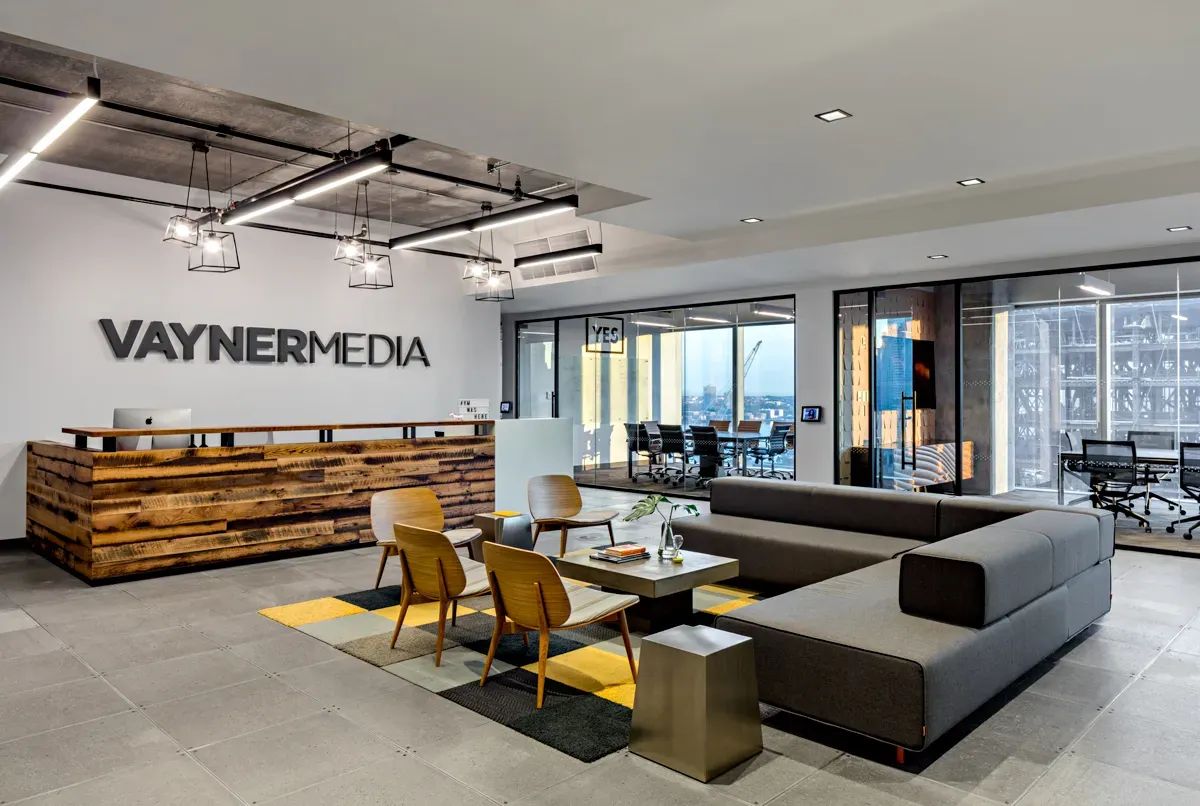
Four Pillars is solving a different problem. It does not need thousands of tailored executions to prove that “Expect Different” exists. It needs a recognisable brand world strong enough to carry future products, channels and occasions.
Looking for World-Class PR & Comms in APAC?
Tailored service packages for select brands and agencies.
The Premium Is In Showing Where Humans Matter
That creates a more useful operating question than “AI or no AI?” A brand can use AI heavily in versioning, localisation, rough concepts, media adaptation and workflow while still reserving hero assets for production methods that make a deliberate statement about taste, craft or credibility.
The risk is turning human-made work into a generic authenticity badge. If every premium brand claims that visible effort equals superior brand value, the signal will weaken quickly. Four Pillars has a stronger case because the production technique is tied to a broader idea about making familiar moments feel more distinctive, and because the campaign runs across film, social and national outdoor rather than as a one-off stunt.
For APAC leaders, the split may become especially practical. Regional teams still need scale across languages, formats and markets, which favors automation. But the masterbrand layer needs enough clarity to survive that adaptation. AI can multiply executions. It cannot decide which parts of the brand should remain scarce.
What CMOs Should Measure
The decision should be treated as a portfolio choice, not a cultural position. CMOs can compare AI-led and craft-led work against different jobs: production cost and speed for the former, brand recognition, distinctiveness, recall and willingness to engage for the latter.
Four Pillars already has a useful test bed because “Expect Different” combines short-form video assets with a national out-of-home rollout running through February 2027. If the human production approach is genuinely part of the brand asset, it should improve more than aesthetic preference. It should help audiences recognise the brand faster and remember the idea beyond the individual execution.
As synthetic creative becomes easier to make, the advantage may not belong to brands that avoid AI. It may belong to brands that know exactly where efficiency should be invisible and where visible human effort earns its place in the brand promise.
Want to reach thousands of marketing and comms professionals across Asia?
Get your brand in front of industry decision-makers.
Partner with Mission Media →


