
Why Netflix's YouTube Strategy Backfires for Podcast Partners
Netflix's exclusive podcast deals restrict YouTube clipping for partners like Barstool Sports and iHeartMedia, forcing creators to abandon the region's dominant content discovery platform. As YouTube and Meta capture 89% of Asia's video viewership, these contractual limits are costing podcasters.

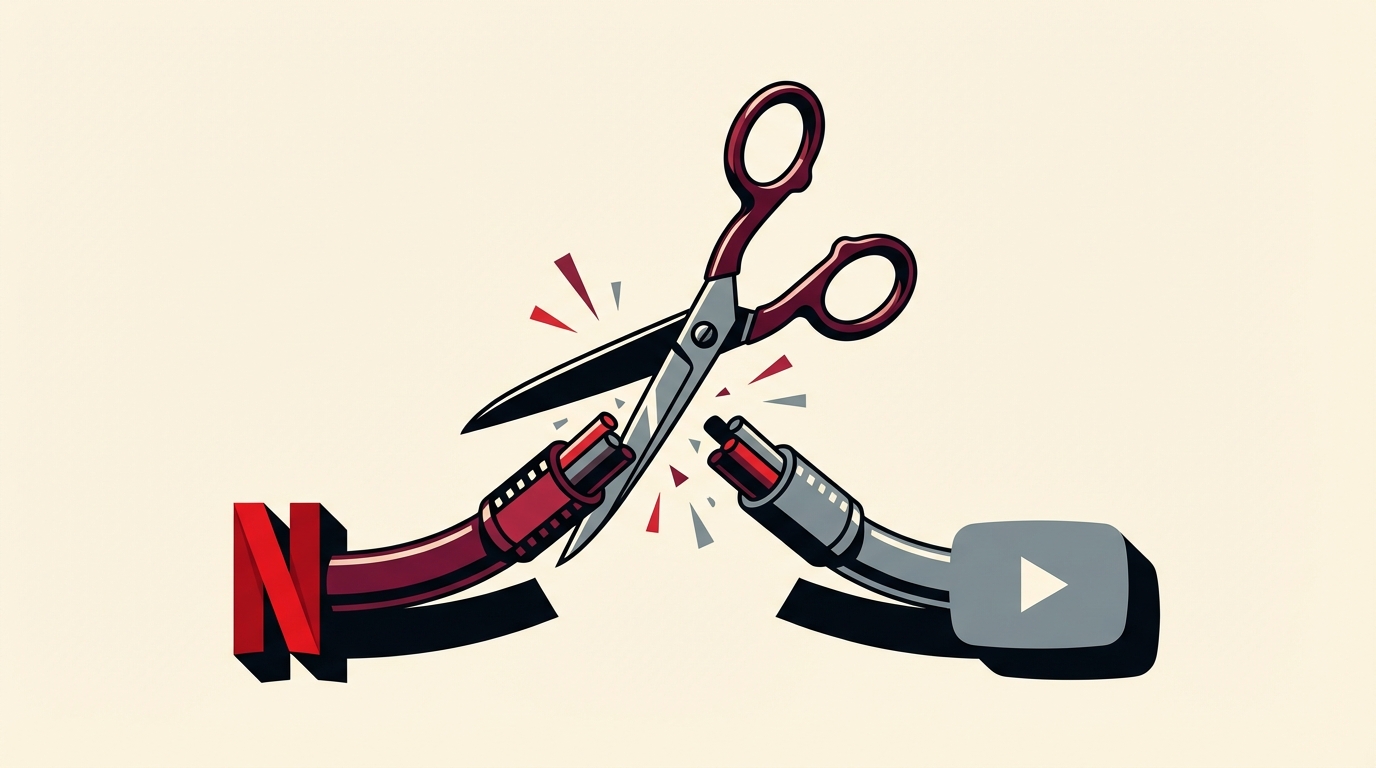
Netflix's exclusive podcast deals with Barstool Sports, The Ringer, and iHeartMedia include contractual clauses limiting how many clips partners can post on YouTube, creating measurable audience growth losses for signed creators in early 2026.
Netflix Restricts Partners While Using the Same Strategy Itself
Netflix's main English-language YouTube channel holds 32 million subscribers and generates approximately 150 million monthly views. The platform uses trailers, behind-the-scenes footage, and short clips to convert free YouTube viewers into paying subscribers.
 Mission Media
Yet podcast partners operating under exclusive Netflix deals face restrictions on posting those same types of clips. The show 3 & Out With John Middlekauff recorded only 200 new YouTube subscribers in February 2026 following its migration to Netflix exclusivity. When the show posted a three-minute clip directing viewers to Netflix, audience responses were direct. "I'd be watching this entire video right now but don't feel like going to Netflix," one viewer commented. Another wrote: "Nobody uses Netflix for this type of content."
Netflix's December 2025 deal with iHeartMedia escalated the restriction further. Video versions of shows including The Breakfast Club and My Favorite Murder are now available only on Netflix, with YouTube distribution excluded entirely. US launches began in early 2026, with international markets expected to follow.
YouTube Dominance Makes Clip Restrictions Costly Across Asia
The restrictions carry particular weight in Asia-Pacific markets. YouTube and Meta platforms captured 89% of online video viewership across Asia in the first nine months of 2024. For creators signing Netflix exclusivity deals that restrict YouTube clipping, this means surrendering access to the region's dominant content discovery infrastructure.
Netflix holds 32.9% subscriber share and over 40% revenue share in South Korea as of June 2025, giving it significant negotiating power when setting exclusivity terms. Korean content companies have already experienced broader consequences from Netflix's IP ownership model. Netflix generated approximately US$900 million in value from Squid Game, which cost US$2.4 million per episode to produce, while creator Hwang Dong-hyuk received zero royalties or residuals. Studio Dragon, producer of The Glory, saw its stock decline after the show's global success generated no licensing or derivative revenues due to IP transfer terms.
Clip restrictions represent one layer of a broader exclusivity structure that limits creator revenue across multiple channels simultaneously.
Netflix Plans 50 to 200 Exclusive Podcast Shows by 2026
Netflix has stated ambitions to sign between 50 and 200 exclusive podcast shows by 2026, with international markets including Asia-Pacific expected to follow US launches. The professional clipping industry has grown alongside this expansion. MrBeast launched Vyro, a marketplace that pays viewers to clip creator content, making clip restrictions carry a direct, measurable opportunity cost for signed creators.
Netflix provides no public data on podcast performance metrics, conversion rates from YouTube clips to Netflix subscribers, or comparative creator earnings, leaving partners without the information needed to assess whether exclusivity compensation offsets surrendered YouTube revenue.
Local South Korean platforms are growing as alternatives. Tving recorded double-digit subscriber growth through exclusive KBO baseball rights, and CJ ENM announced partnerships to place Korean originals on HBO Max and TVING from 2026, signaling that Asian content companies are actively evaluating options beyond Netflix's exclusivity model.
Asian creators and their management teams considering Netflix podcast deals will need to address clip distribution rights, audio and video rights splits, and YouTube access explicitly before signing.
Want to reach thousands of marketing and comms professionals across Asia?
Get your brand in front of industry decision-makers.
Partner with Mission Media →