
Netflix’s Bid for HBO and Warner Bros. Could Reshape Streaming in Asia
Netflix's $60B Warner Bros. bid could reshape Asian streaming by consolidating HBO and studio content. CMOs must prepare for major licensing shifts across India, Southeast Asia, and beyond.

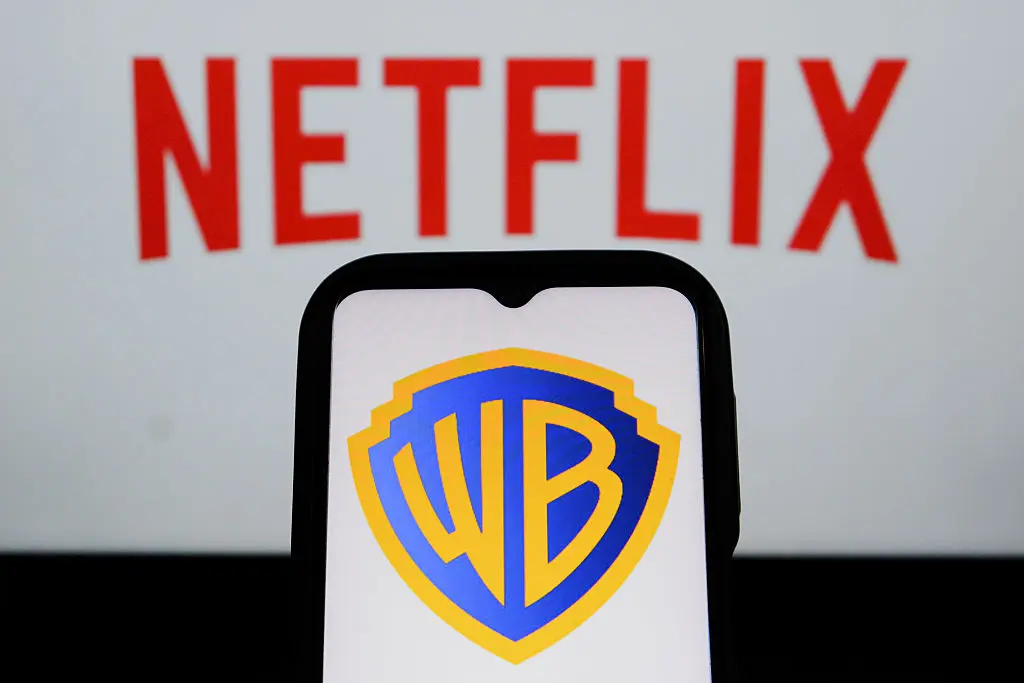
Netflix has entered exclusive negotiations to acquire Warner Bros. Discovery's film and TV studios and HBO Max streaming service, with the deal reportedly valued at over US$60 billion. The streaming giant has offered a US$5 billion breakup fee if regulators block the acquisition, according to reports confirmed this week.
Deal Gives Netflix Control of HBO and Warner Bros Catalog
The proposed acquisition would give Netflix ownership of HBO's content library, including series like "The Sopranos" and "The White Lotus," plus the Warner Bros. extensive film and TV archives featuring franchises like "Harry Potter" and "Friends." Netflix reported US$39 billion in revenue in 2024 and holds a market value of US$437 billion.
The deal marks a strategic shift for Netflix, which has traditionally relied on licensed and original content without owning production studios. Warner Bros. Discovery's cable division saw revenue drop 23% recently as viewers continue migrating to streaming platforms.
The sale process has drawn multiple bidders, with Paramount Skydance and Comcast also competing for the assets. Paramount has accused Warner Bros. of favoring Netflix during negotiations, adding complexity to the exclusive negotiation period secured by Netflix in December 2025.
 Leighton Cosseboom
Asian Streaming Rights Face Potential Reshuffling
The acquisition could significantly impact APAC streaming markets, where HBO and Warner Bros. content is currently licensed to regional players. In India, where Disney's Hotstar holds 43% market share through cricket and Marvel content, Netflix would gain immediate counterprogramming through Harry Potter and Game of Thrones franchises.
Multiple Southeast Asian platforms, including Viu, operated by PCCW, currently license Warner and HBO content under existing agreements. Regional regulators will likely scrutinize how the merger affects these local partnerships and content availability.
APAC contributed 42% of Netflix's subscriber growth in 2024, with the Warner Bros. catalog positioned to strengthen the platform's position in key markets like Japan, where Netflix has 35% penetration, and South Korea at 28%.
Netflix's Korean content strategy produced 130 Korean originals between 2021 and 2024, driving eight million new APAC subscribers. The Warner Bros. production infrastructure could expand this model across additional Asian markets.
 Leighton Cosseboom
Regulatory Scrutiny Expected Across Multiple Markets
The deal will face antitrust review from US lawmakers concerned about potential consumer harm from the combined entity. Netflix has argued its competition includes platforms like YouTube, not just traditional streaming services.
In Asia, the merger would create control over an estimated 38% of premium Western content licensing, raising questions about market concentration. The combined company would control more than 18,000 film and TV titles, including Warner Bros.' DC Universe superhero properties and HBO's prestige dramas.
Western content drives 61% of premium video-on-demand consumption in APAC markets, making the Netflix-Warner Bros. combination particularly significant for regional audiences and advertisers.
The acquisition could also affect theatrical release strategies across Asia, as Netflix typically limits cinema runs for its films, contrasting with Warner Bros.' traditional distribution approach. The companies have not announced a timeline for completing the transaction, which remains subject to regulatory approval.
Want to stay up-to-date on the stories shaping Asia's media, marketing, and comms industry? Subscribe to Mission Media for exclusive insights, campaign deep-dives, and actionable intel.

Want to reach thousands of marketing and comms professionals across Asia?
Get your brand in front of industry decision-makers.
Partner with Mission Media →