
South Korea’s "Poverty Challenge" Trend Sparks Backlash, Raises Questions on Luxury Messaging
South Korea's viral "poverty challenge" exposes how luxury messaging backfires when tone-deaf. CMOs must rethink wealth positioning as Gen Z demands empathy over status signaling.

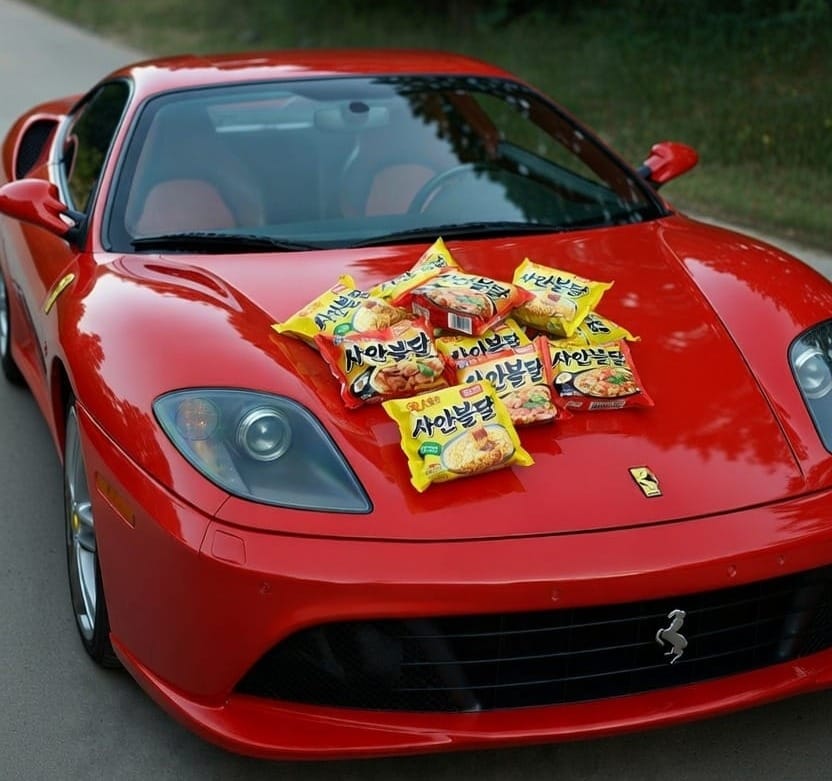
A new social media trend in South Korea is drawing criticism for glamorizing wealth while ironically referencing poverty. The viral format, called the "poverty challenge," features users posting images of luxury goods, designer fashion, first-class travel, and high-end homes, with captions describing their lives as "unbearable poverty" or "being broke again," often jokingly alongside Dior strollers or sports cars.
The tone is ironic and comedic for participants, but many viewers are not laughing.
What the Trend Looks Like
Examples circulating online include:
• Instant noodles eaten in first-class seats are described as "severe poverty"
• A 15 million won Dior baby stroller framed as "leaving us financially ruined"
• Images of luxury cars with captions about not having money for gasoline
• Art-filled living rooms described as "having only a few paintings and a dog"
Critics argue the posts trivialize economic hardship while using poverty as an aesthetic device. The controversy has revived references to Park Wan-suh’s 1975 short story Stolen Poverty, which examines how the wealthy appropriate the image of struggle for cultural expression.
 Leighton Cosseboom
Why This Matters for Asia's Marketers and CMOs
This trend is more than a meme. It exposes a widening emotional divide between affluent consumers and younger audiences facing economic pressure.
A 2024 Gallup Korea survey found 62% of Koreans in their 20s feel financially insecure despite employment, while luxury spending among high-income households grew more than 28% year-on-year, according to the Korea Chamber of Commerce.
For brands, tone is now a strategic risk. Luxury messaging built on aspiration must adapt to a social environment increasingly sensitive to inequality. Humor involving wealth can go viral when self-aware, but it can also backfire if it signals tone-deaf privilege.
 Leighton Cosseboom
Culture Shift: From Flex Culture to Empathy
Asia is seeing a shift in consumer sentiment. During the pandemic, ostentatious flex culture thrived. In 2025, the conversation is changing. Mental health, affordability, and fairness are shaping how audiences interpret luxury and lifestyle content.
Critics online say the poverty challenge does not subvert wealth culture, but reinforces it by framing luxury consumption as a casual norm. One user wrote that straightforward displays of wealth would be less offensive than pretending affluence equals struggle.
For CMOs, this signals an important shift. Audiences reward relatability and values-driven messaging more than pure status signaling. Research by McKinsey APAC shows brands with socially conscious positioning see up to 1.7 times higher engagement among Gen Z consumers, especially when messaging aligns with authenticity instead of satire.
 Leighton Cosseboom
What Asia's CMOs Should Take Away
- Inequality is a creative context, not just a socio-economic issue. Tone matters.
- Humor around wealth is volatile, and risk grows when economic anxiety is high.
- Luxury storytelling may gain more traction through craft, heritage, sustainability, and shared experience, not flex culture.
- Cultural intelligence will drive 2026 campaigns, especially in markets with rising financial stress among youth.
The poverty challenge may fade like most trends. The sentiment behind the backlash is what brand leaders should not ignore.
Want to stay up-to-date on the stories shaping Asia's media, marketing, and comms industry? Subscribe to Mission Media for exclusive insights, campaign deep-dives, and actionable intel.

Want to reach thousands of marketing and comms professionals across Asia?
Get your brand in front of industry decision-makers.
Partner with Mission Media →