
Supermarkets Lead Smart Cart Adoption With APAC Set for Fastest Growth
Smart carts are becoming retail media goldmines. APAC adoption will outpace global growth as 62% of consumers demand faster checkout and personalized offers.

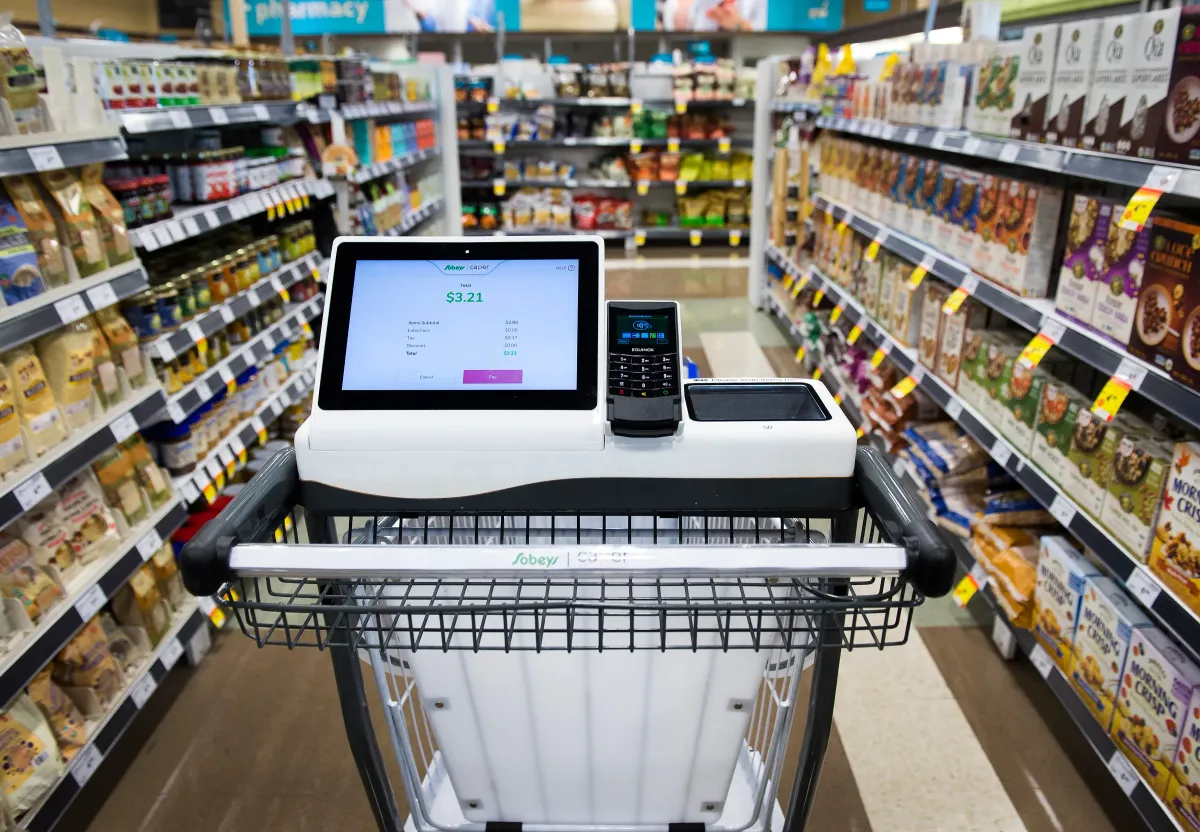
The global smart shopping cart market is projected to grow from US$326 million in 2025 to US$1.42 billion by 2030, according to MarketsandMarkets. Adoption is accelerating as retailers push for real-time in-store data, frictionless checkout experiences, and more efficient store operations.
Smart carts blend sensors, cameras, weight modules, and touch screens to identify products automatically, enable dynamic pricing, and process payments inside the cart.
This reduces checkout lines and increases basket value through personalized promotions and suggested add-ons while capturing detailed insights on shopper movement, product interaction, and purchase intent.
Supermarkets currently lead adoption because of large assortments and higher basket sizes, although convenience formats are emerging as a major growth frontier. As deployment costs fall, retailers are introducing smaller, scalable smart carts for compact urban stores.
 Leighton Cosseboom
Major deployments are already visible in North America with Kroger, Schnucks, ShopRite, Albertsons, and Amazon Fresh rolling out fully integrated carts. Brands report shorter lines, fewer stockouts, better shelf planning, and improved customer satisfaction results.
Asia Pacific Set to Outpace Global Growth
Asia Pacific is forecast to be the fastest-expanding smart cart market due to tech-forward consumers, dense retail environments, smart city development, and demand for automation. The region has leapfrogged traditional POS evolution through QR payments and mobile wallets, creating fertile ground for in-cart transactions and real-time personalization.
New IDC data shows that 62% of APAC consumers expect faster checkout and personalized offers in-store, and retailers across the region are increasing investment in computer vision and in-aisle analytics to reduce labor strain and improve inventory turnover. Smart carts sit directly at that intersection.
 Leighton Cosseboom
Why This Matters for CMOs
Smart carts are evolving from hardware upgrades to retail media touchpoints, enabling:
- Collection of first-party behavioral data inside physical stores
- Real-time recommendations and targeted promotions
- Dynamic pricing and localized personalization
- Measurement of shopper attention, route, and dwell time
This reframes the store as a measurable performance channel instead of a static space. Brands that adapt early can influence purchase decisions at the moment they form.
Want to stay up-to-date on the stories shaping Asia's media, marketing, and comms industry? Subscribe to Mission Media for exclusive insights, campaign deep-dives, and actionable intel.

Want to reach thousands of marketing and comms professionals across Asia?
Get your brand in front of industry decision-makers.
Partner with Mission Media →