Why Terminology Choices Risk Brand Revenue in China Markets
When G-Dragon's terminology choice sparked Chinese social media backlash, it cost brands more than reputation. How language missteps trigger real revenue damage in China's hyper-sensitive markets.

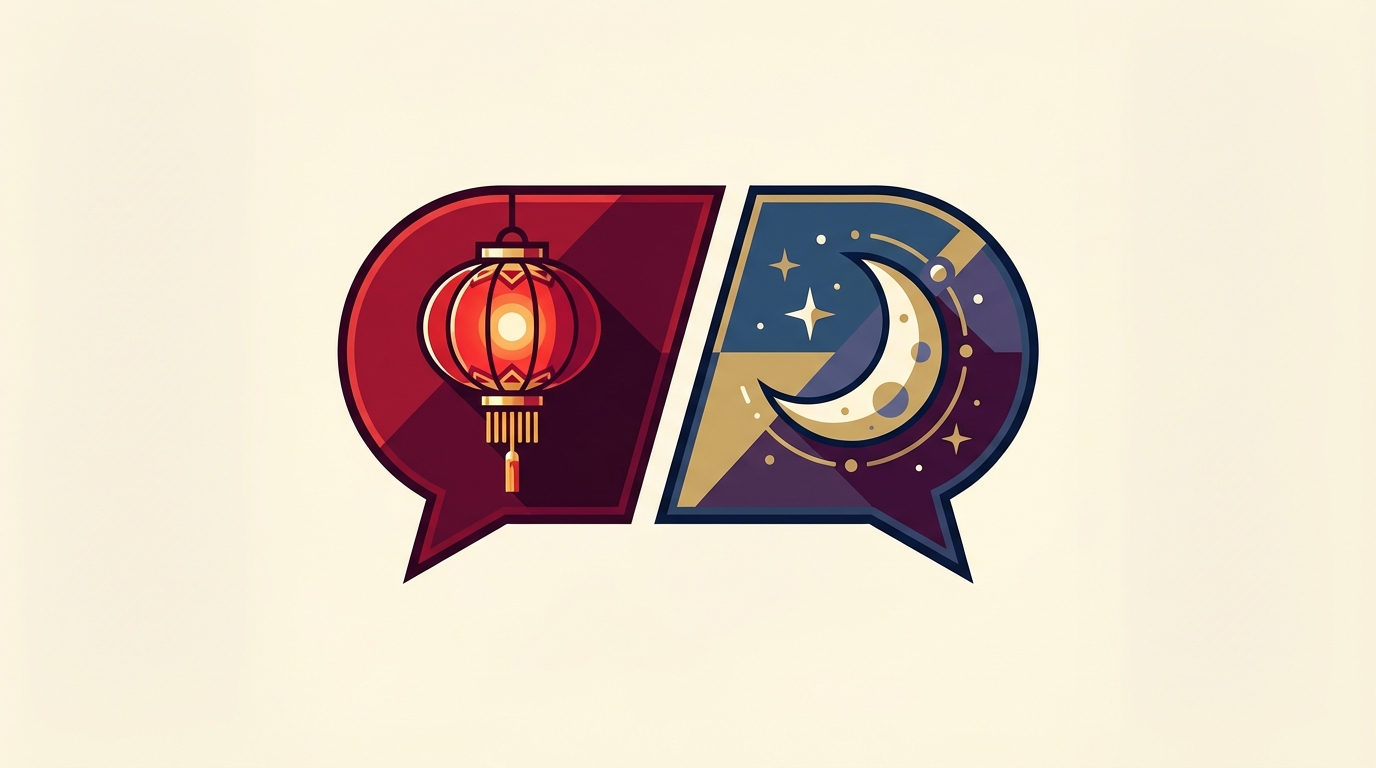
K-pop superstar G-Dragon sparked a cross-border controversy on February 17, 2025, when his use of "Lunar New Year" at Dubai's Krazy Super Concert drew immediate backlash from Chinese fans, exposing the commercial risks of terminology choices in culturally sensitive markets.
On-Stage Contrast Amplified the Dispute
The controversy intensified because Chinese idol Cai Xukun performed at the same concert. Cai Xukun used "Chinese New Year" and invited Chinese-language greetings from the audience, creating a direct, on-stage comparison that many Chinese fans interpreted as G-Dragon making a deliberate political statement.
Chinese consumers represent a significant share of G-Dragon's revenue. His album Übermensch sold 770,000 copies in China, accounting for 56% of total sales, making China his single largest market. That commercial dependency gave the terminology dispute immediate financial weight.
G-Dragon subsequently liked a supportive social media post following the controversy. Chinese fans interpreted the action as escalation, illustrating that passive social media behavior now carries the same reputational weight as formal statements.
Industry Responses Range From Apology to Preemptive Strategy
The G-Dragon incident is not isolated. Chagee, the Chinese tea chain, issued a public apology after using "Lunar New Year" in its own communications, demonstrating that even domestic Chinese brands face the same terminology risk. Apple opted for "Chinese New Year" to avoid similar backlash.
By contrast, Prada's 2026 Lunar New Year campaign used Chinese Olympic athlete Ma Long as its brand ambassador, using national pride as a proactive risk management approach rather than responding to controversy after the fact.
Notably, no brand boycotts or endorsement severances emerged from the G-Dragon incident despite historical precedents where similar perceived slights triggered demands to cut celebrity-brand ties.
Professor Seo Kyung-duk, an academic commentator on the controversy, stated that "Lunar New Year is a pan-Asian tradition observed across multiple countries, and Chinese claims that the term is disrespectful are groundless." China's own Ministry of Foreign Affairs has also used "Lunar New Year" in official communications, creating an internal inconsistency within the nationalist argument.
Galaxy Corporation Faces Scrutiny Over Crisis Handling
G-Dragon founded Galaxy Corporation after leaving YG Entertainment in 2023. The agency's handling of the Dubai incident drew scrutiny from industry observers. An unnamed industry insider, cited in coverage of a separate MAMA Awards controversy in late 2025, criticized Galaxy Corporation as "inexperienced in management."
That MAMA Awards dispute added a second simultaneous crisis. On December 1, 2025, Galaxy Corporation issued a formal statement explaining that G-Dragon revised his performance plan last-minute out of respect for a Hong Kong fire that killed 44 people, and donated HK$1 million (~US$128,000) to relief efforts.
The overlapping controversies highlight that entertainment brands operating across Asian markets must now manage multiple, simultaneous reputational issues across different markets and platforms.
Digital Platforms Accelerate Terminology Disputes
The speed of the backlash reflects the dominance of short-video platforms in Chinese consumer culture. Douyin accounted for 77.6% of festive sales channels during the Lunar New Year period, making it the primary platform where brand sentiment forms and disputes go viral quickly.
The incident also sits within a longer geopolitical framework. The THAAD missile defense dispute in 2016 established precedents for K-pop market restrictions in China, with group activities remaining limited nearly a decade later. The G-Dragon controversy occurred within that existing structural fragility, not as a standalone event.
Galaxy Corporation has not issued a public statement specifically addressing the February 2025 terminology dispute.
Want to stay up-to-date on the stories shaping Asia's media, marketing, and comms industry? Subscribe to Mission Media for exclusive insights, campaign deep-dives, and actionable intel.