
Australia Bans Stadium Gambling Ads in Landmark 2027 Reform
Australia's landmark gambling advertising ban takes effect January 2027, prohibiting in-stadium placements and celebrity endorsements. Here's what marketers need to know.

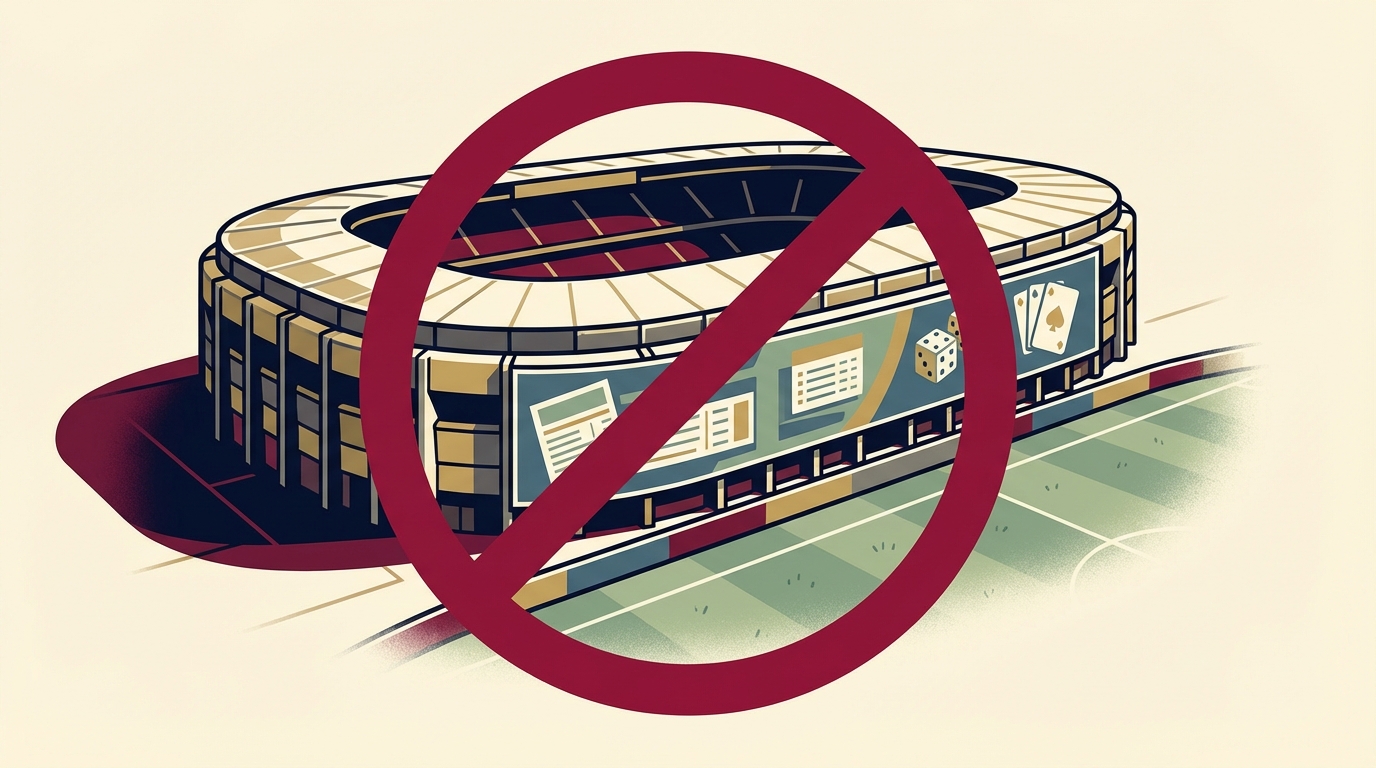
Australian Prime Minister Anthony Albanese announced sweeping gambling advertising reforms on April 4, 2026, banning in-stadium placements, capping TV ad frequency, and prohibiting celebrity endorsements, with all measures taking effect January 1, 2027.
Albanese described the package as "the most significant reform on gambling that has ever been implemented" in Australia, citing child protection as the central rationale.
What the New Rules Actually Prohibit
The reforms cover multiple advertising channels simultaneously.
 Mission Media
Television gambling ads will be capped at three per hour during general broadcast hours. A complete blackout applies during all live sports broadcasts between 6am and 8:30pm. Radio gambling ads are banned during school drop-off (8am to 9am) and pick-up times (3pm to 4pm).
Stadium advertising and gambling brand logos on player and official uniforms are explicitly prohibited. Sports stars and celebrities are banned from promoting gambling products. Online gambling ads will be restricted to logged-in, age-verified users over 18, with a mandatory opt-out option available.
The government will also block offshore gambling sites and ban online keno products, which Albanese described as a significant source of Australian gambling losses. BetStop, Australia's National Self-Exclusion Register, will be strengthened under the same package.
Looking for World-Class PR & Comms in APAC?
Tailored service packages for select brands and agencies.
Industry Pushback and Economic Arguments
The licensed wagering industry responded sharply. Responsible Wagering Australia CEO Kai Cantwell called the announcement "a real kick in the guts for the industry" and described the measures as "draconian."
Cantwell cited the sector's contribution of nearly A$6 billion annually to the Australian economy and approximately 30,000 jobs supported by licensed wagering operators. He warned that heavy restrictions risk pushing problem gamblers toward offshore operators with "no consumer protections, no oversight, and no contribution to the Australian economy, sport or racing."
Cantwell also raised a broader precedent concern, warning the gambling restrictions could open the door to similar advertising restrictions on alcohol, sugary drinks, and fast food.
How the Reforms Fall Short of the Original Recommendation
The announced measures do not go as far as the 2023 parliamentary inquiry recommended. That inquiry, led by the late Labor MP Peta Murphy, called for a complete ban on gambling advertising. The Albanese government stopped short of that position.
Mission Media
The government is scheduled to table its formal response to the Murphy report on May 12 when Parliament reconvenes. The gap between the Murphy recommendation and the implemented reforms indicates the current framework represents a political midpoint, not a final position.
What This Means for Sports Codes, Broadcasters, and Brands
The commercial impact is immediate and structural. Wagering brands have historically been among the largest buyers of sports advertising inventory in Australia, including free-to-air television, streaming platforms, stadium signage, and jersey placements.
The elimination of live sports broadcast inventory and stadium placements removes two of the highest-visibility sponsorship categories in Australian sport. Football codes including the AFL and NRL, along with venue operators and broadcasters, face a revenue gap that requires active replacement before the January 2027 deadline.
The 18-month compliance window gives brands, agencies, and rights holders time to restructure contracts. Non-gambling brands in financial services, telecommunications, retail, and consumer technology may find premium sports sponsorship inventory more accessible as betting companies exit those placements.
For marketing leaders operating across Asia-Pacific, Australia's shift is notable because Australia has historically been one of the most permissive gambling advertising markets in the developed world. Policymakers in Singapore, Hong Kong, Japan, and Southeast Asian markets reviewing their own wagering advertising frameworks are watching closely.
The government plans to table its formal response to the Murphy report on May 12, which may clarify whether further restrictions are under consideration.
Want to reach thousands of marketing and comms professionals across Asia?
Get your brand in front of industry decision-makers.
Partner with Mission Media →