
Jollibee’s Brand Sweep Shows the Power of Portfolio Architecture in Asia
Jollibee's three-brand sweep of ASEAN's top restaurant rankings reveals a portfolio strategy Western chains can't replicate. Here's why it matters for your competitive positioning.

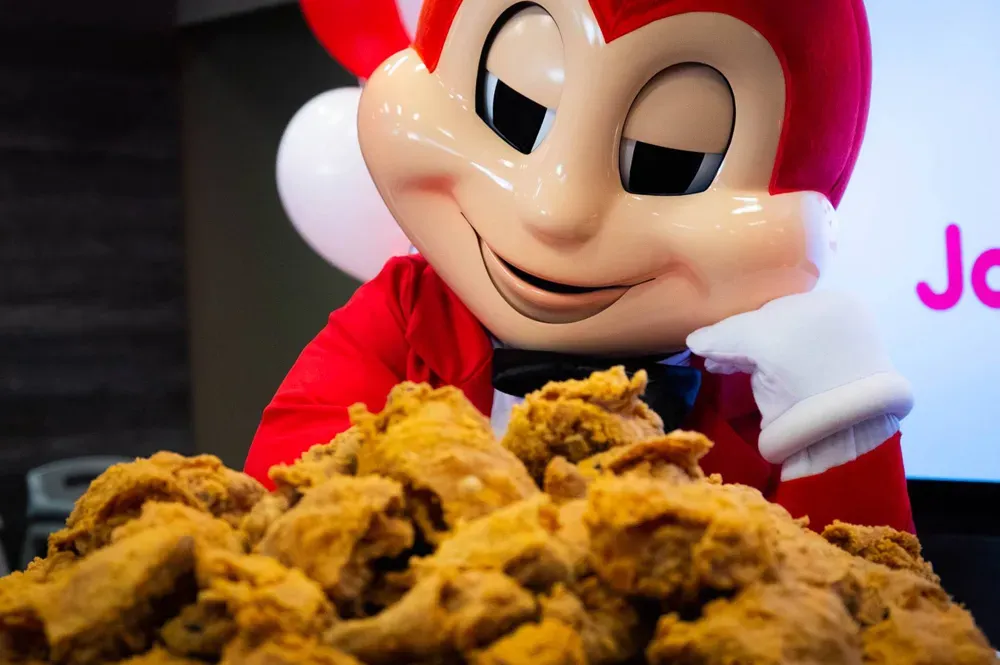
When Jollibee Group swept all three top spots in Brand Finance's ASEAN 500 2025 restaurant rankings, it wasn't just a victory lap. It was a case study in portfolio architecture that most regional players miss entirely.
The Filipino fast-food giant now commands US$2.5 billion in brand value for its flagship, with subsidiaries Mang Inasal (US$377 million) and Chowking (US$262 million) claiming second and third place. No other restaurant group comes close to this concentration of market power across Southeast Asia.
What makes this dominance instructive isn't the scale alone. It's how Jollibee Group threads a strategic needle that confounds Western competitors: maintaining distinct brand identities while extracting operational efficiencies that typically require standardization.
 Leighton Cosseboom
The Portfolio Moat Western Chains Can't Replicate
Most global QSR chains enter Asian markets with a single playbook. McDonald's brings burgers. KFC brings fried chicken. The menu might flex slightly for local tastes, but the brand promise stays rigid.
Jollibee Group operates differently. Its three leading brands occupy distinct cultural territories. Jollibee itself owns Filipino-Italian fusion (sweet spaghetti, fried chicken). Mang Inasal dominates grilled chicken with unlimited rice, a format unthinkable for Western chains. Chowking pioneered Chinese-Filipino crossover, serving halo-halo alongside dim sum.
This isn't accidental diversification. Each brand ring-fences a specific consumer occasion and price point. Mang Inasal's Brand Strength Index of 87.8 out of 100 reflects near-perfect execution in its category, higher even than parent Jollibee's 83.9 score. Chowking's 71.8 BSI shows room for growth but validates its positioning as ASEAN's leading Chinese QSR.
The portfolio gives Jollibee Group built-in protection. If competitors put pressure on one brand, the same customers can be pulled back in by another Jollibee Group brand instead of leaving entirely. When economic conditions change, consumers adjust their spending within the portfolio, choosing more affordable or more premium options as needed, rather than switching to rival chains.
 Leighton Cosseboom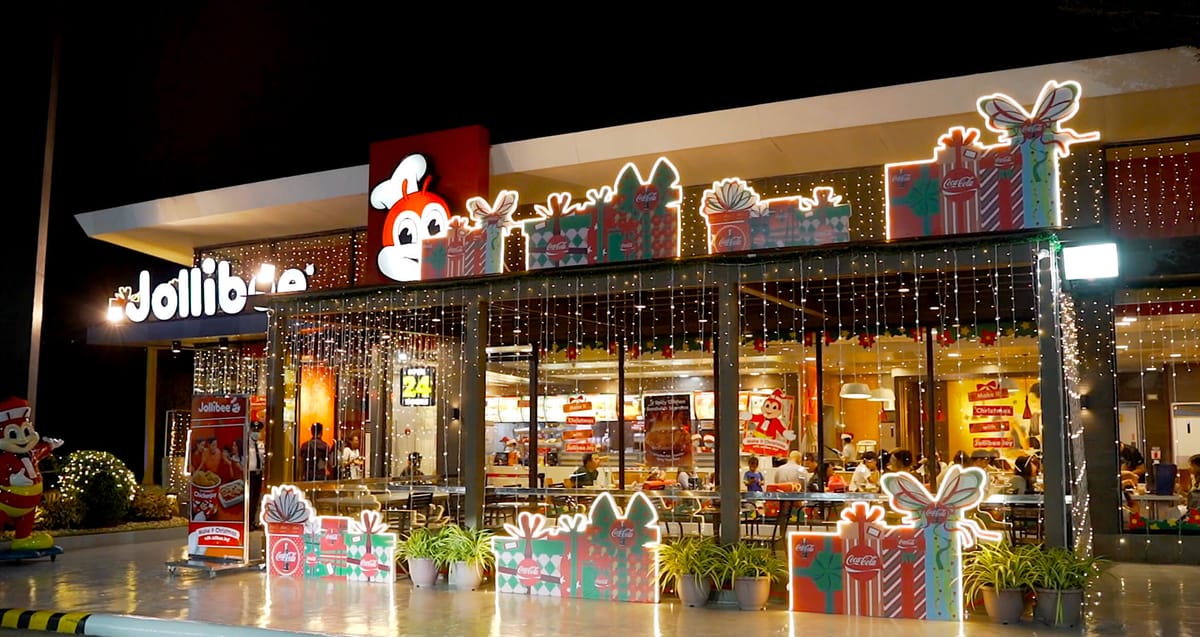
Localization as Revenue Architecture, Not Marketing Theater
The group's 27.8% systemwide sales growth in Vietnam, Malaysia, Singapore, and Brunei during Q1 2025 stems from menu adaptations that go beyond token gestures. Chili Chicken in Vietnam and Spicy Spaghetti in Malaysia aren't just localized SKUs. They're revenue engines built on genuine consumer research.
Vietnam illustrates the playbook's power. Jollibee operates over 200 stores there, with more than 90% of customers being Vietnamese nationals rather than Filipino expats. That penetration required years of menu testing, supply chain localization, and pricing adjustments that prioritized market share over short-term margins.
The group opened 51 new Southeast Asian stores in 2024 alone, part of a five-year plan to triple regional business. But expansion follows a disciplined sequence: establish brand credibility through localized hero products, build operational density in key cities, then scale through franchising once unit economics prove out.
Mang Inasal's first drive-thru in Santa Maria, Bulacan, demonstrates this format innovation. Drive-thru requires different kitchen workflows, real estate profiles, and customer service models. Testing it in a home-market store minimizes risk before regional rollout. The 575-store chain grew brand value just 1% in 2025, but that stability during format experimentation signals operational maturity, not stagnation.
 Leighton Cosseboom
The JoyMark System: When Corporate Identity Actually Matters
Jollibee Group's JoyMark rebrand in 2025 might seem like typical corporate vanity. It included a simplified logo, unified naming conventions, and a cleaner visual identity across 1,800-plus Jollibee stores in 17 countries.
But the strategic logic runs deeper. As the group expands beyond the Philippines, it needs a corporate brand that signals scale to franchisees, suppliers, and real estate partners without diluting individual restaurant brands. JoyMark creates that institutional credibility.
The system allows Chowking to maintain its Chinese-Filipino positioning while benefiting from Jollibee Group's purchasing power and operational playbooks. It lets Mang Inasal preserve its grilled-chicken authenticity while accessing corporate resources for drive-thru development and digital ordering systems.
This matters for media efficiency. Individual brands can run culturally specific campaigns (Jollibee's "My Kwentong Jollibee" emotional storytelling, Chowking's "Sarap Mag-Chow" positioning) while corporate-level brand building lifts all properties. The group doesn't need to choose between local relevance and institutional scale. The architecture delivers both.
 Leighton Cosseboom
Awards as Market Signals, Not Vanity Metrics
Chowking's 40 major awards in 2024 from organizations including Quill, NEXT, and QSR Media might read like marketing fluff. But in franchise-driven businesses, awards function as recruitment tools and franchisee confidence builders.
When Chowking won recognition for digital initiatives and product innovation during its 40th anniversary year, it validated the brand's modernization to potential franchisees evaluating investment options. The 4% brand value growth to US$262 million followed operational improvements that awards merely documented.
As Alex Haigh, Managing Director Asia Pacific at Brand Finance, noted: "Jollibee Group demonstrates how to build strong, emotionally resonant brands that combine local relevance with regional ambition."
That combination requires infrastructure most regional players lack: R&D capabilities for menu innovation, marketing sophistication for emotional campaigns, and operational discipline for multi-format scaling.
 Leighton Cosseboom
The Replicable Architecture
For executives benchmarking their own portfolios, Jollibee Group's success offers a diagnostic framework.
First, do your brands occupy genuinely distinct occasions and price points, or do they cannibalize each other? Second, can you localize menus without fragmenting supply chains into unprofitability? Third, does your corporate brand add credibility without constraining subsidiary positioning?
The group's dominance isn't replicable through imitation. But the underlying principles are: ring-fence brands when they serve different needs, cross-pollinate operations when efficiency compounds, and sequence expansion to prove unit economics before scaling.
Western chains entering Asia typically reverse this logic, scaling before localizing. The Brand Finance rankings show which approach wins.
Want to stay up-to-date on the stories shaping Asia's media, marketing, and comms industry? Subscribe to Mission Media for exclusive insights, campaign deep-dives, and actionable intel.

Want to reach thousands of marketing and comms professionals across Asia?
Get your brand in front of industry decision-makers.
Partner with Mission Media →