
BYRDLI Partners With San Diego to Shift Creator Marketing From Engagement to Revenue
BYRDLI's campaign with San Diego Tourism Authority proves that influencer partnerships work best when measured by bookings, not likes. How travel brands are closing the gap between awareness and revenue.

Creator partnerships in travel have long been measured by likes, shares, and follower counts. A new campaign from Australian travel technology company BYRDLI and the San Diego Tourism Authority is trying something different. It tracks room nights, revenue, and traveler behavior instead.
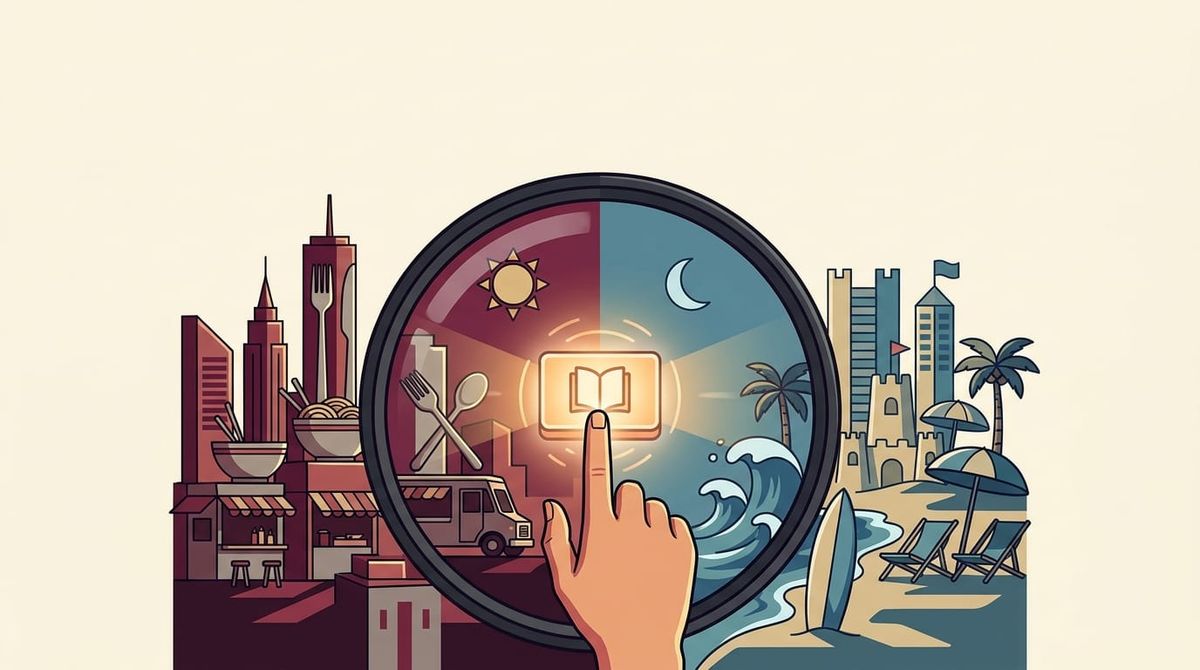
The campaign, called "One City, Two Ways - San Diego," pairs two creators with distinct audiences and lets each build a live, bookable version of the city from scratch.
Two Creators, Two San Diegos
Chester See and Cole Dickson are running parallel Travel Clubs on BYRDLI's platform. See is joining the platform for the first time. His San Diego itinerary covers food, city neighborhoods, and local culture. Dickson, described by BYRDLI as one of its top-performing sellers, leans into the coastline, outdoor lifestyle, and beaches.
Both clubs work as live booking pages. As each creator adds hotels, experiences, and itinerary items, those products become immediately available for their audiences to book. Pricing and availability update in real time.
This is BYRDLI's first campaign with the San Diego Tourism Authority, extending the platform's core model: turning a creator's personal travel perspective into a structured, transactional storefront.
Closing the Gap Between Awareness and Bookings
For years, travel brands have measured influencer campaigns by reach and engagement. Whether that activity converted into bookings was often unclear or left unmeasured.
BYRDLI treats this as a product problem. Its Travel Clubs integrate a booking engine directly into creator content, so the path from inspiration to purchase happens on the same platform.
As Vanessa Richards, co-founder of BYRDLI, explains: "For a long time, destinations have been marketed as one thing. But that's not how people experience them. Chester and Cole are building two completely different versions of the same city, each through their own lens, and for their own audience. What BYRDLI does is power that, turning their perspective into something structured, bookable, and measurable."
Why Destination Marketing Boards Are Taking Notice
Running two simultaneous creator storefronts, rather than one broad campaign, signals a shift in how destination marketing organizations think about audiences. Not every traveler wants the same San Diego.
Riki Suzuki, tourism development manager at the San Diego Tourism Authority, framed the appeal directly: "San Diego offers an incredible range of experiences, from a vibrant urban culture to a relaxed coastal lifestyle. This campaign allows us to present that range in a way that reflects how people actually travel today. Through BYRDLI, those experiences are not only being shared, they are being turned into bookable journeys that travellers can act on immediately."
The commercial measurement focus, room nights and revenue as primary KPIs, reflects a wider shift in travel marketing. Tourism boards are under growing pressure to demonstrate economic impact rather than just reach. Platforms that close the gap between content and transaction are becoming more attractive as a result.
Looking for World-Class PR & Comms in APAC?
Tailored service packages for select brands and agencies.
What This Means for Marketing Leaders
BYRDLI, which rebranded from Zoku Travel in 2025, operates a global travel commerce platform covering more than 600,000 accommodation options. Its model combines creator storefronts with a booking engine, concierge support, and performance tracking.
The San Diego campaign shows that a single destination can support multiple creator narratives for different audiences without losing coherence. See's foodie audience and Dickson's outdoor-lifestyle followers are looking for different trips, and the platform serves both simultaneously with separate storefronts.
More importantly, the model repositions the accountability question. When a creator's content connects directly to booking infrastructure, the performance conversation shifts from impressions to bookings. That's a harder result to spin and a cleaner number to defend with a finance team.
Want to reach thousands of marketing and comms professionals across Asia?
Get your brand in front of industry decision-makers.
Partner with Mission Media →


