D'Amelio Family Rift Exposes Creator Brand Fragility for Asian CMOs
Family creator brand partnerships face hidden risks when personal rifts go public. Asian CMOs must rethink contract structures as D'Amelio situation exposes commercial fragility in sponsored conten...

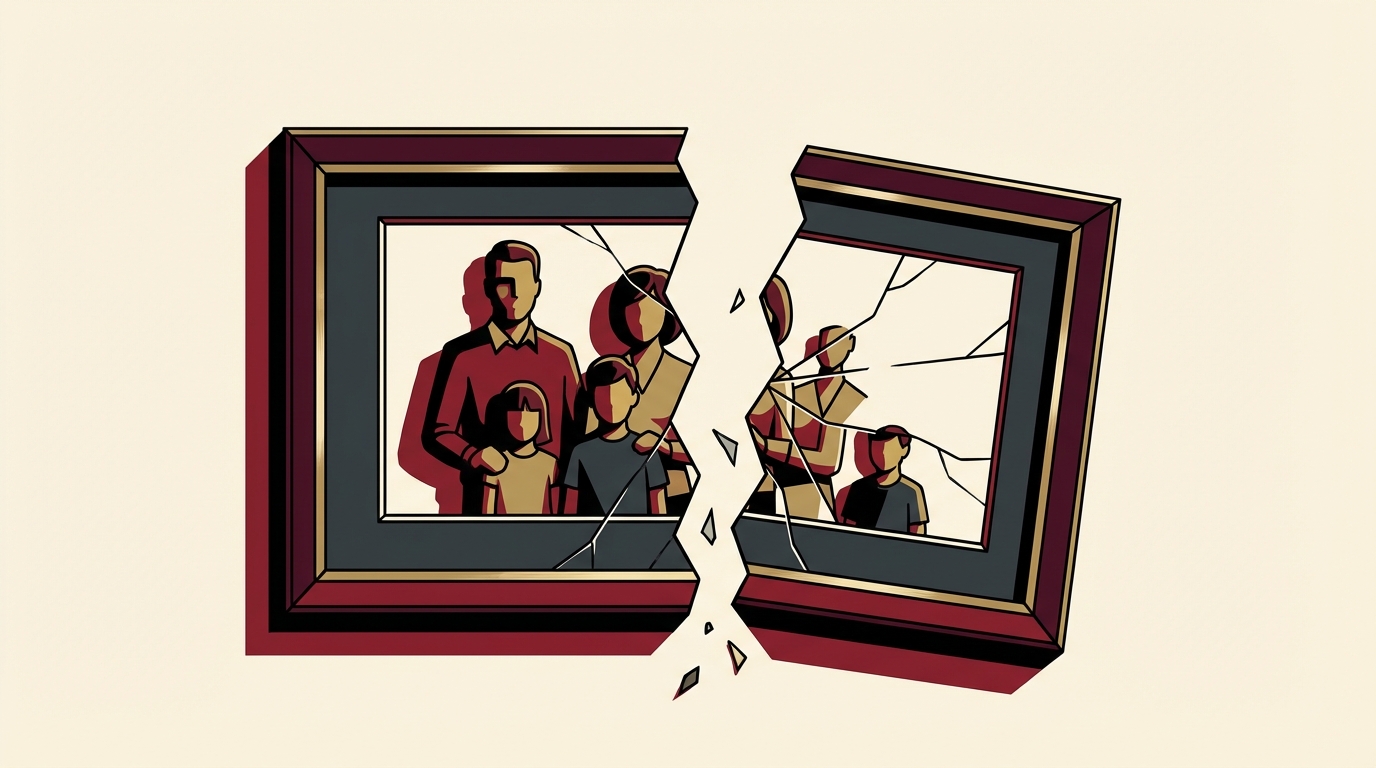
Reports that Charli D'Amelio has unfollowed her parents and sister on social media have drawn fresh attention to a risk category that Asian brand partners have largely underestimated: the commercial fragility of family-based creator brands when personal relationships fracture publicly.
Commercial Operations Continue Despite Reported Personal Rift
The D'Amelio family's reported social media disconnect has not, as of early 2026, disrupted their commercial infrastructure. Reporting from February 7, 2026 references ongoing Family Venture Fund activity alongside Charli D'Amelio's Broadway debut, suggesting the business side of the family brand continues operating independently of personal relationship signals.
 Mission Media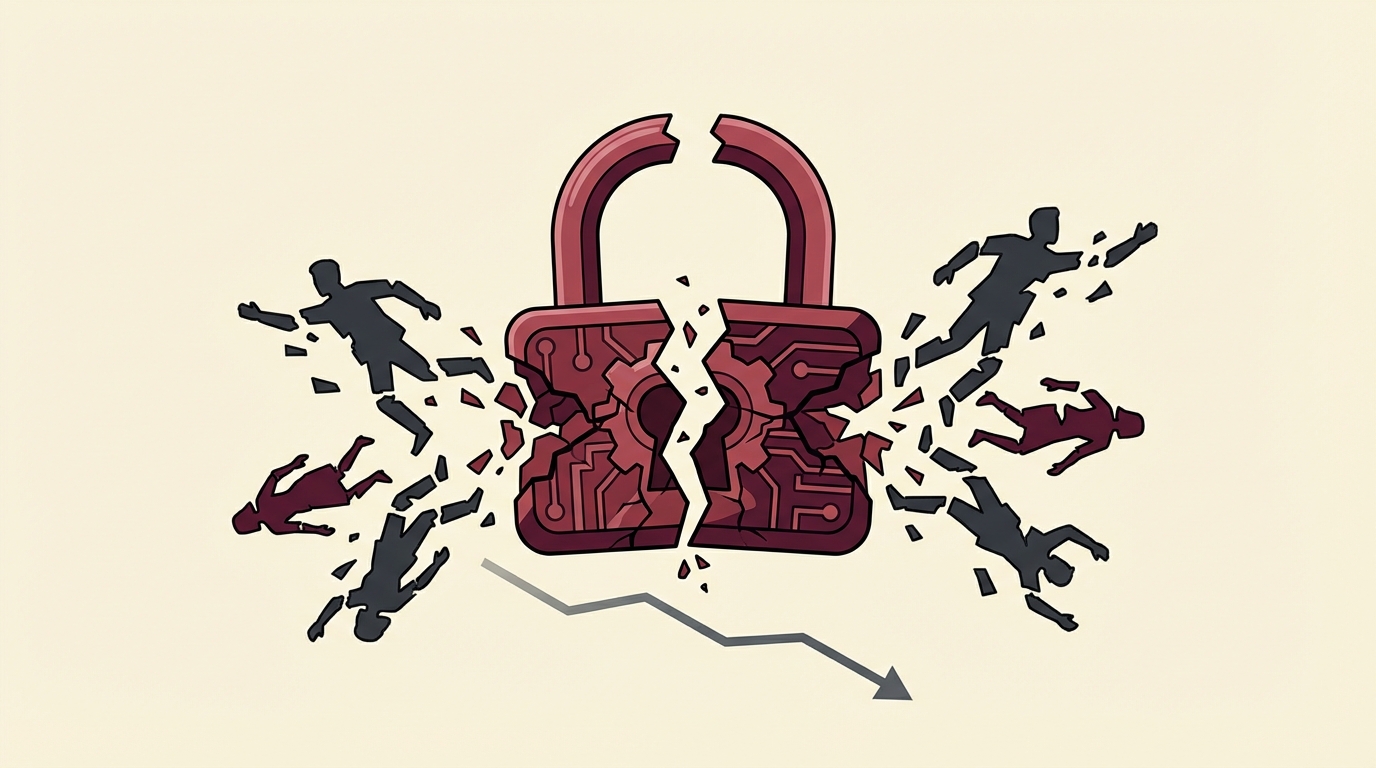
This separation of commercial and personal infrastructure is a critical distinction for Asian CMOs evaluating partnership contracts. A brand deal signed with a family creator unit does not automatically terminate when family members publicly distance themselves. However, the reputational signal travels faster than any legal or commercial response can.
A Documented Pattern of Brand Vulnerability
The D'Amelio family has navigated public crisis before. In November 2020, a YouTube dinner video featuring James Charles triggered a coordinated response from creator Trisha Paytas, who published more than 60 TikTok videos criticizing the family. The episode resulted in significant follower loss before the family stabilized commercially.
The current situation carries different risk characteristics. The 2020 crisis was externally triggered. A reported internal family rift strikes the foundational narrative of the brand itself: the family relationship that audiences and advertisers paid to access.
With sponsored content representing 59% of creator revenue in 2026, brand partners hold direct financial leverage. They can pause or exit contracts quickly when reputational signals shift, making crisis response speed critical for creator families.
Scale of the Creator Economy Amplifies the Stakes
The broader context makes this more than entertainment news. The global creator economy is projected to grow from US$26.16 billion in 2025 to US$75.28 billion by 2032, at a 16.3% annual growth rate. Family-based creator brands operate inside an increasingly high-stakes commercial system.
Baseline pressures already exist across the industry. 32% of creators report unreliable social reach as a core business concern, and 45% of creator community members report burnout. These conditions precede any public conflict and compound its commercial impact when conflict emerges.
In Asia-Pacific markets, additional complexity applies. Cultural expectations around family harmony in markets including Singapore, South Korea, Japan, and Hong Kong mean family discord carries reputational weight beyond comparable situations in Western markets. Infrastructure gaps in markets such as Vietnam add financial stress to creator family businesses that can accelerate interpersonal pressure.
What Asian Brand Partners Should Monitor
The D'Amelio situation illustrates two practical risk signals that Asian marketing leaders should track in family creator partnerships.
First, platform-level metrics alone are insufficient. Posting frequency changes, shifts in social media connection patterns, and changes in public appearance schedules can function as early warning indicators before any public statement is made.
Second, revenue diversification within a creator family's business provides resilience. Platform payouts represent approximately 24.4% of creator revenue alongside other income streams. Family creator brands with diversified revenue architectures are more insulated from brand partner withdrawal during conflict periods than those dependent on a single platform or sponsor category.
The D'Amelio family's commercial continuity through two separate crisis periods suggests diversification works. Whether the current reported rift follows the same recovery trajectory remains to be seen.
Want to stay up-to-date on the stories shaping Asia's media, marketing, and comms industry? Subscribe to Mission Media for exclusive insights, campaign deep-dives, and actionable intel.