
Celebrity Endorsements Drop 22%: Casio Bets on Creator Casting Instead
Casio shifts from celebrity endorsements to real creators in its Middle East campaign. Gen Z prefers authentic community figures over famous faces.

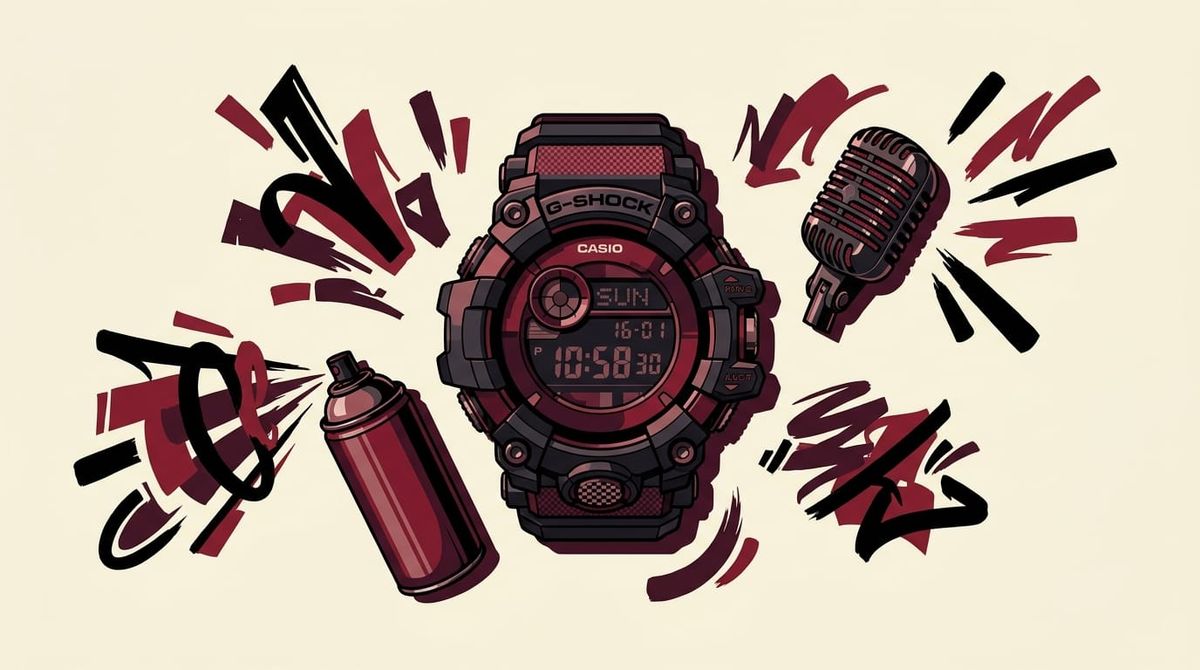
Casio has signaled a deliberate change in how it markets its G-SHOCK watches to younger buyers. Instead of hiring a famous face to front the campaign, the Japanese brand cast a group of real street artists, musicians, and creative talents from the Middle East region.
The campaign is called "Never Give Up." It runs on Instagram, TikTok, and YouTube Shorts. The people in it are not celebrities. They are community figures.
This is not just a creative choice. It is a strategic bet on what actually moves Gen Z.
From Famous Faces to Real Culture
The campaign was produced in partnership with The Company Films, a Dubai-based production house. Rather than import a global brand ambassador, Casio cast individuals from within the region's street culture: rapper Tayeb Santo, whose music also features in the campaign soundtrack, along with street talents Sania Iazaar, Mustafa AlNajjar, Malak Adham, and others.
 Mission Media
The deliberate choice to feature people genuinely embedded in these communities is the core of what Casio is trying to say. G-SHOCK's "Never Give Up" philosophy is being repositioned not as a motivational message delivered by a sports star, but as something already lived by real creatives navigating everyday life.
Casio describes the target as Gen Z and young millennials engaged in street culture, music, and creative communities. The rollout is structured across multiple weeks, with content released in phases to maintain ongoing engagement rather than a single launch moment.
Looking for World-Class PR & Comms in APAC?
Tailored service packages for select brands and agencies.
What Casio Is Betting On
Celebrity endorsements have been declining as brands discover that younger consumers are skeptical of polished partnerships with famous people who have no obvious connection to the product. In 2025, celebrity endorsement volumes fell 22%, the steepest annual decline on record.
For a brand like G-SHOCK, leaning into creator casting makes sense. The watch has always been associated with durability and edge. The question was how to translate that into something Gen Z actually responds to.
The answer Casio and The Company Films arrived at: stop telling Gen Z the brand is authentic and instead show it through the people the brand chooses to work with.
The campaign's success metrics reflect this. Casio is measuring reach, engagement rate, video views, and content shares. It is also explicitly tracking qualitative indicators: audience interaction and cultural relevance within the community.
Skepticism Is Warranted
It is worth asking whether this is a genuine shift or a calculated repackaging.
Mission Media
What is notable is the regional specificity. The cast is made up of Middle Eastern creators. The production house is based in Dubai. The content is built for the platforms Gen Z in this region actually uses. That local grounding is harder to fake than a global influencer deal.
Casio is also running a very different campaign in India at the same time. The "Rise Above" campaign there features Bollywood actor Vicky Kaushal, a conventional celebrity. That parallel makes clear Casio is not abandoning celebrity endorsements everywhere. It is calibrating by market, using creator authenticity where it reads as more credible.
61% of Gen Z prefer brands that collaborate with creators over celebrity endorsements, and research confirms no significant performance difference between celebrities and influencers on social media platforms. Whether the Middle East campaign delivers on the brand's goals remains to be seen. The strategic logic is coherent. For Gen Z in street culture communities, a cast of real creators will almost always feel more genuine than a famous face holding a watch.
Want to reach thousands of marketing and comms professionals across Asia?
Get your brand in front of industry decision-makers.
Partner with Mission Media →


