
Jack Playfair of M+C Saatchi: Brands Need to Earn a Role in Culture
Jack Playfair of M+C Saatchi Sport & Entertainment on culture-led partnerships, creators and why sport sponsorship needs long-term value.

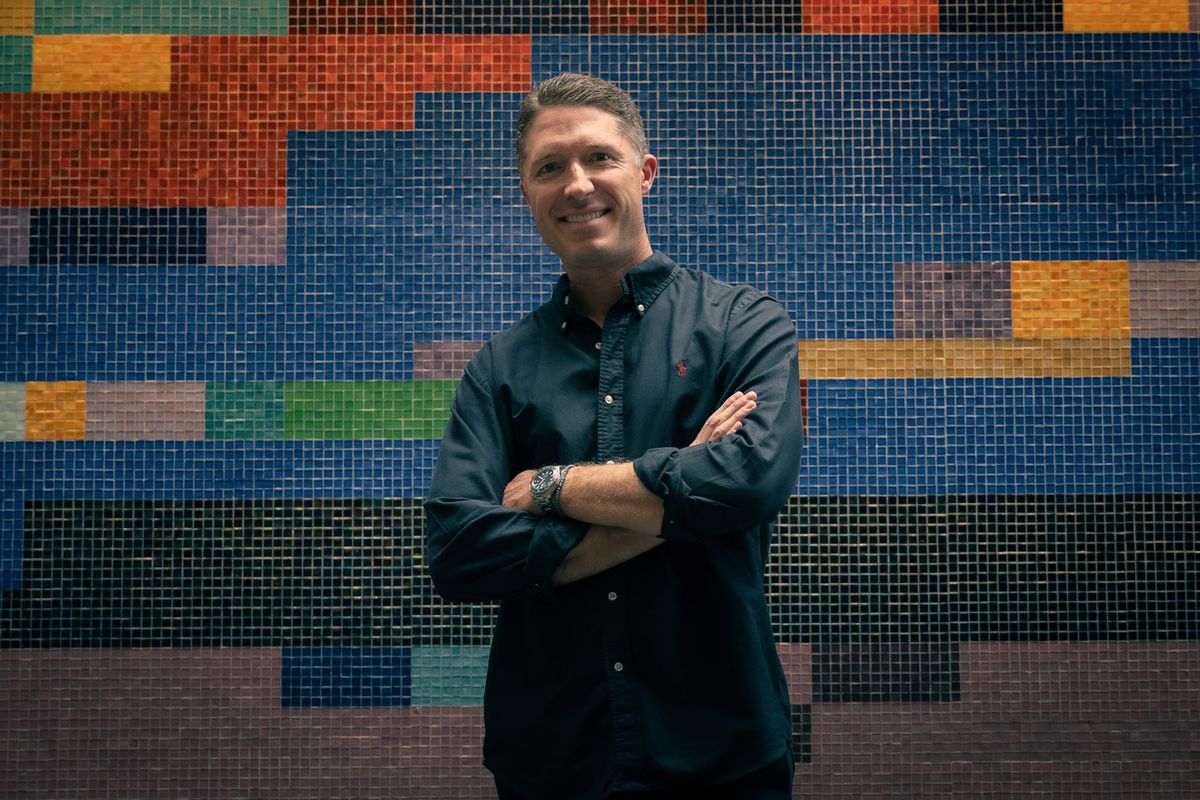
Jack Playfair has spent his career moving between the rights holder and agency sides of sport and entertainment, from commercial roles at Supercars, TLA Worldwide, and Rugby Australia to brand partnership work at Bastion and now M+C Saatchi Sport & Entertainment.
As the new Head of Partnerships for M+C Saatchi Sport & Entertainment in Australia, Playfair is focused on helping brands move beyond asset-led sponsorships and toward partnerships that are culturally relevant, commercially useful, and built for long-term participation.
Mission Media spoke with Playfair about what culturally-led brand solutions actually mean, where APAC sponsorship opportunities are being missed, and why brands need to earn their place in sport and entertainment rather than simply buy space around it.
You have spent your career at the intersection of brands, sport, and entertainment, moving from Supercars and Rugby Australia through to Bastion and now M+C Saatchi. What has that journey taught you about what this space actually demands from the people who work in it?
I look back on the start of my career and am so fortunate that I worked on the rights holder side to begin with, as it taught me the importance of commercial investment and having brands buy into a vision.
Then moving to the agency, it taught me that anyone can buy rights or broker a deal, but knowing what to do with it and how to turn it into something culturally relevant and commercially beneficial is the real skill.
What does culturally-led brand solutions mean in practice? Where does a brief typically start, and how does it evolve into something that genuinely connects?
In its most basic form, it means starting with the consumer or fan and not a brand platform. A brief will always identify a business problem, such as growth, conversation, or consideration, but what we do in the first instance at M+C is try to understand where the audience’s attention and passions already live, and how they actively participate in those spaces.
In the case of a sporting fan, we try to identify what they care about, what they are talking about, or what that fan values. From there, our role is to identify the role the brand can credibly play in that space, and how it can add to the experience in a way that feels natural, not interruptive.
The best ideas don’t feel like marketing. They feel like a natural extension of the culture itself, creating moments people want to be part of, not just watch.
 Leighton Cosseboom
The APAC sport and entertainment sponsorship market has matured considerably. Where are the opportunities brands are consistently leaving on the table?
It’s an interesting question, because there are very few territories in the APAC sponsorship landscape that haven’t already been explored. With more sports, rights holders, and clubs than ever before, the market has become incredibly saturated and often overly reliant on logo-heavy, asset-driven deals.
Where our team at M+C Saatchi Sport & Entertainment sees the real opportunity is in the shift toward storytelling and individual athletes or Olympic sports, particularly as we head into the runway to the 2032 Brisbane Olympic Games.
The brands that will win over the next six years will be the ones that identify athletes or Olympic sports early, not just as ambassadors or as an Olympic sport, but as long-term partners, and invest in building their profile alongside them. It’s about growing with the athlete or sport, shaping a narrative over time, and bringing audiences on that journey.
Across your work with Gatorade, TAB, Kia, and others at Bastion, what was the most challenging brief you had to crack, and what did it teach you?
Without specifically calling out any brands, the most challenging briefs are always the ones where the expectations are high, but the role of the brand isn’t immediately clear. This can be because of where the brand is in its life cycle, but the role of where and how the brand wants to show up in the market isn’t clear.
A brief that stands out involved needing to shift perception of the brand in the market a few years ago, not just driving awareness, and doing so in a highly scrutinised category. It forced us to be incredibly disciplined about the brand’s role and to find a genuine point of value for the audience.
The biggest takeaway from that brief that has stuck with me until today is that if the idea doesn’t work for the audience first, it won’t work for the brand.
Leighton Cosseboom
There is a real difference between brands that earn a place in culture and those that just buy space around it. What separates the two?
More than ever, brands that earn a place in culture traditionally give something back, such as access, entertainment, or a decisive point of view, creating value that people actively choose to engage with and participate in. The brand ultimately enhances the experience.
On the other side, brands that simply buy space tend to interrupt it in a way that doesn’t resonate with a consumer.
There is a great saying in marketing that answers this question perfectly: Would the audience miss you if you weren’t there? If the answer is no, you’re probably just renting attention, not earning a role in culture or unlocking its commercial potential.
How do you think about content and creators within a broader partnerships strategy? Is it complementary or increasingly central?
The direction we are going at M+C Saatchi Sport & Entertainment is that content and creators are increasingly central. In a strong partnership strategy, creators should be considered early, not as an add-on at the end.
What we are seeing in the market from the best brands is that, when done well, creators can be the bridge between the brand, the property, and the audience.
Leighton Cosseboom
What is your honest pitch to a CFO on how to measure the value of sport and entertainment investment?
Too often, what I am hearing in the sport and entertainment sector is that partnerships are a marketing cost. This couldn’t be further from the truth. The reframing needs to start with the idea that it is an investment in growth and the brand’s future, and a lever for driving sustained commercial impact through participation, not just exposure.
My honest pitch to a current CFO on measuring value in today’s marketing world would be not to measure immediately. In the pitch, I would ask the CFO to measure across three phases: short-term, mid-term and long-term value.
The reason is that reach can be achieved with one campaign, preference requires repetition, and loyalty requires time. Participation compounds over time, deepening both connection and conversion. If you only measure the short term, you’ll undervalue the investment every time.
Leighton Cosseboom
What is one thing brands consistently get wrong when they first approach this space?
I wouldn’t say brands consistently get this wrong when first approaching the sport and entertainment space, but commonly, brands start with the asset, not the idea.
It goes back to what I said earlier: the best ideas don’t feel like marketing, they feel like a natural extension of the culture itself. Brands often ask what they receive out of the sponsorship or what contracted rights they get when they sign the deal, instead of establishing what they want to be known for within this space prior to signing the bottom line.
M+C Saatchi Sport & Entertainment works with brands across sport, entertainment, sponsorship, and cultural partnerships. Learn more at mcsaatchi.com.


