Why Brands Are Banking on Athlete-Integrated Content Over Ads
LEGO's partnership with Ronaldo, Mbappé, Messi, and Vinícius Júnior proves athlete-integrated content drives 11.6M engagement versus traditional ads. Why brands are shifting strategy.

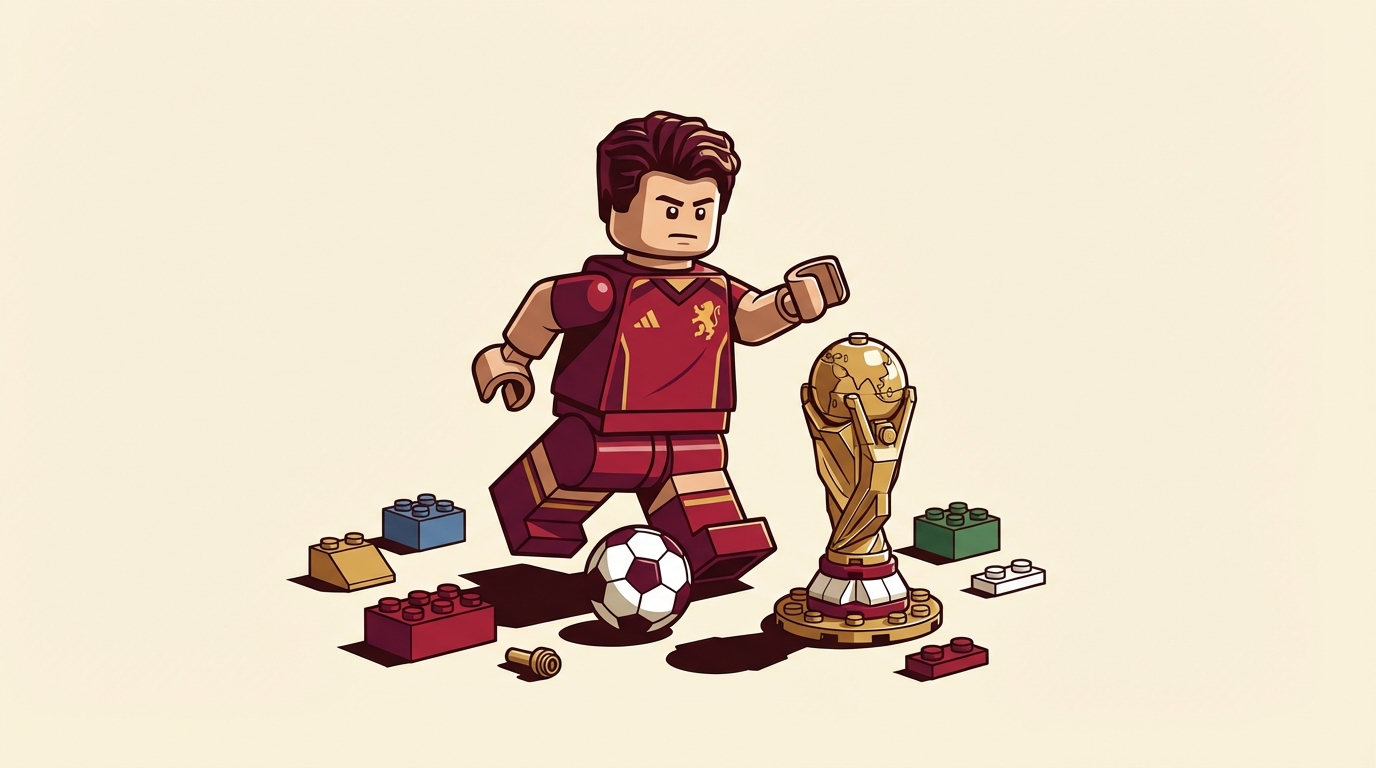
The LEGO Group announced on April 2, 2026, that it has partnered with Cristiano Ronaldo, Kylian Mbappé, Lionel Messi, and Vinícius Júnior to release a collection of seven LEGO Editions sets tied to the 2026 FIFA World Cup.
Four Athletes, Seven Sets, One Coordinated Launch
The lineup includes letter-based Football Highlights display models, a 1,427-piece Lionel Messi Celebration wall art set, and a 1,498-piece FIFA World Cup Official Trophy set. Each set features exclusive minifigures and hidden easter eggs tied to the individual player.
Pre-orders opened immediately on April 2, 2026. Most sets go on general sale May 1, 2026, with the Messi Celebration set following on June 1, 2026. The phased rollout is timed to build commercial momentum through the lead-up to the World Cup tournament.
Julia Goldin, Chief Marketing and Product Officer at the LEGO Group, described the campaign's intent: "With these new sets we're bringing the thrill of football to life in a way that allows fans to build, create and celebrate."
The sets are designed for ages 10 and above, with select sets targeting age 14 and above, positioning the campaign to reach both child consumers and adult collectors simultaneously.
Athlete Content Outperforms Traditional Advertising
The campaign's early engagement data points to a clear commercial rationale. Lionel Messi's LEGO World Cup Trophy build video generated 11.6 million likes across social channels, a figure that illustrates how athlete-integrated content drives organic reach that traditional product advertising rarely matches.
 Mission Media
The four-player selection reflects deliberate geographic thinking. Ronaldo carries strong brand recognition across the Middle East and Southeast Asia through his current club presence in Saudi Arabia. Mbappé's appeal skews toward younger audiences in Europe and Southeast Asia. Messi retains significant brand equity across East Asia. Vinícius Júnior extends the campaign's reach into Brazilian football culture, which carries broad global appeal.
Each athlete also contributed a public statement connecting the product to personal values. Mbappé noted: "It's a fun way to share my journey and my passion. If it can inspire young people to believe in their ambitions, build their own path, and enjoy creating along the way, then that's a true victory."
Looking for World-Class PR & Comms in APAC?
Tailored service packages for select brands and agencies.
LEGO's Sports Vertical Builds on Formula 1 Template
The football campaign follows a strategic model LEGO established with its 2025 Formula 1 partnership. That campaign combined sets across multiple age ranges with a dedicated digital app experience and race-site activations, including life-sized LEGO cars at the Miami Grand Prix.
The football campaign extends this approach into physical fan activation through worldwide pop-up fan zones featuring LEGO Brick Kickers games, treating the athlete partnership as a broader consumer experience rather than a simple product endorsement.
The global sports merchandise market is projected to reach US$49 billion by 2030, growing at a 5.2% compound annual rate from 2025. LEGO's football launch positions the brand at the intersection of licensed products, collectibles, and play ahead of that growth period.
Sets are available on LEGO.com, in LEGO stores, and through selected retailers worldwide, with additional athlete content planned for LEGO's own channels in the coming months.
Want to reach thousands of marketing and comms professionals across Asia?
Get your brand in front of industry decision-makers.
Partner with Mission Media →