
The Cost of IP Negligence: Four Trademark Disputes That Exposed Brand Risks
Nike and Adidas faced major trademark losses in 2025, not from rivals but from their own IP management failures. Four cautionary cases reveal critical risks for Asian brand teams.

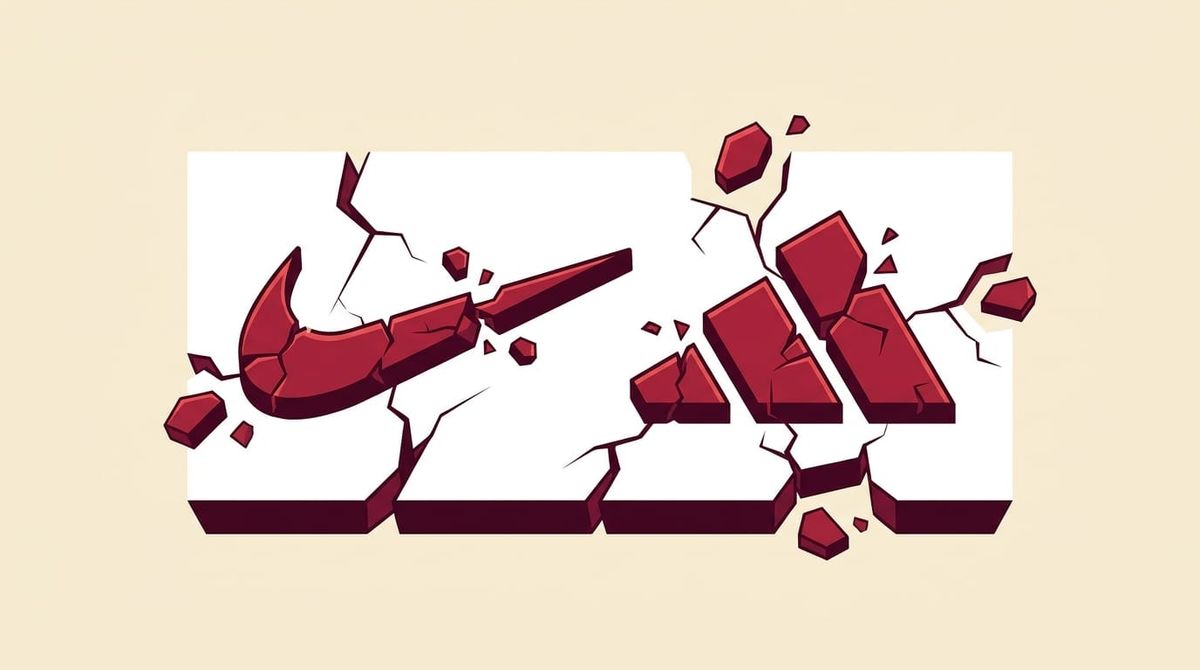
The world's biggest sports brands spend billions defending their logos, names, and designs. Yet in the past 12 months, both Nike and Adidas have suffered significant trademark losses. Not to big rivals. Not to counterfeiters in back alleys. But to their own mistakes.
WIPO (the World Intellectual Property Organization) chose "IP and Sports" as its 2026 World IP Day theme. The timing is telling. Four separate trademark disputes involving the two giants have turned into cautionary tales about what happens when IP management slips.
Adidas Lost Six Trademarks Over a Drafting Error
The most striking ruling came in October 2025. The UK Court of Appeal confirmed that six of Adidas's "three-stripe" trademark registrations were invalid. Not because consumers couldn't recognize the iconic stripes. Not because the stripes weren't genuinely distinctive.
The marks failed because the written descriptions were imprecise. The paperwork didn't match the pictures closely enough. As the court found, descriptions covering multiple variations don't meet UK trademark standards.
The opponent, fashion brand Thom Browne, uses four stripes. Adidas couldn't enforce its three-stripe registrations against a four-stripe design, and the registrations themselves didn't survive the legal scrutiny. "Even the most famous marks in the world can be invalidated if the registration is imprecisely drafted," one IP expert noted. "Clarity of description is the foundation of enforceability."
Adidas won a similar case in the United States in 2023. The same dispute, two different outcomes, two different jurisdictions. That's the fragmented reality of global trademark protection.
Nike Let a Trademark Expire, Then Wanted It Back
Nike allowed its Total90 trademark to lapse in 2019. The soccer boot line had run its course. Or so the company thought.
Hugh Bartlett, a Louisiana engineer and youth soccer coach, registered Total90 through his company, Total90 LLC, in 2022. When Nike revived the Total90 line in March 2025 for a collaboration with streetwear brand Palace, ahead of the 2026 World Cup, Bartlett's company filed suit. Total90 LLC demanded US$2.5 million for the name Nike had abandoned.
A federal judge denied Total90 LLC's request to immediately stop Nike's sales in November 2025. As U.S. District Judge Wendy B. Vitter ruled, "ownership of trademarks is established by use, not by registration." Nike had decades of use behind the mark. But the case continues toward a 2026 hearing, leaving Nike's World Cup marketing plans in legal uncertainty. Nike has since countersued, accusing Total90 LLC of bad faith.
Two Settlements That Answered Nothing
Nike also settled two other significant cases without a definitive ruling from a court.
In the StockX dispute, which began in 2022, Nike sued the sneaker resale platform for selling NFTs linked to Nike shoes without permission. A court found StockX liable for selling 37 counterfeit Nike pairs. But the central question, whether attaching a digital token (an NFT) to a physical branded product requires the brand owner's permission, never got a final answer. The case settled in August 2025 with sealed terms.
Nike's US$60 million lawsuit against celebrity sneaker customizer Dominic Ciambrone (known as The Shoe Surgeon) settled in June 2025 after Nike accused him of running what it called a "Nike Counterfeiting 101" course through his SRGN Academy, which charged students US$3,000 to US$5,000 per person. The settlement bars him from commercial use of Nike trademarks, but the creative customization industry is left with blurry guidelines.
Looking for World-Class PR & Comms in APAC?
Tailored service packages for select brands and agencies.
What This Means for Brand Teams in Asia
For marketing executives in Asia-Pacific, these cases aren't distant legal dramas. They're direct risk signals.
Asian markets, particularly China, Japan, and Taiwan, see some of the highest volumes of trademark disputes globally. China's sporting goods sector alone has produced nearly 10,000 documented IP enforcement cases. Any brand working on licensing, sponsorship, or digital campaigns that touches Nike or Adidas assets operates in an environment where those assets may face active legal challenges.
The NFT question is especially relevant. Any campaign using digital authentication of branded merchandise in APAC markets operates without legal clarity. The StockX settlement made sure of that.
Three failure patterns stand out from this cluster of disputes: imprecise trademark registration (Adidas), inadequate trademark maintenance (Nike/Total90), and unclear boundaries on who can commercially use a brand in digital contexts (The Shoe Surgeon, StockX). None of these are legal technicalities. They're governance failures with direct business consequences.
Even the most recognizable brands in sport are not immune.
Want to reach thousands of marketing and comms professionals across Asia?
Get your brand in front of industry decision-makers.
Partner with Mission Media →


