
Pfizer Skips Super Bowl, Bets on NFL Draft for Cancer Awareness
Pfizer skips Super Bowl for NFL Draft cancer campaign. How pharma brands are sequencing sports moments for targeted health messaging.
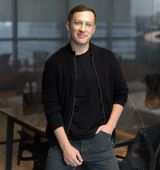
On the night of the 2026 NFL Draft, as Fernando Mendoza became the No. 1 overall pick selected by the Las Vegas Raiders, he also quietly launched a second career. Pfizer had signed the 22-year-old Heisman Trophy winner as the latest celebrity face of its Every Inch Matters early cancer detection campaign.
The timing was deliberate. Draft night draws tens of millions of viewers. For Pfizer, it was a second major activation window after a World Cancer Day launch featuring a 90-second Al Pacino-voiced TV spot. The company skipped the Super Bowl entirely while six rival pharma brands ran ads there. Pfizer is playing a longer game, threading health messages through cultural moments where the audience is already paying attention.
The campaign ran across broadcast TV, streaming platforms, ESPN radio, and digital takeovers on The Athletic and ESPN.com. Two TV spots interweave footage of Mendoza training with Pfizer scientists in labs, directing viewers to PfizerForAll, the company's direct-to-consumer health platform.
Why Mendoza and Why Now
The partnership isn't just about reach. It's about the story.
Mendoza's mother is battling multiple sclerosis. He has watched someone close to him fight cancer. His father is a physician. These aren't talking points crafted by an agency. They're the reason Pfizer reportedly described the deal as a "natural fit." When a campaign is anchored in genuine personal experience rather than paid celebrity visibility, audiences respond differently.
Research backs this up. More than 50% of US adults surveyed had seen celebrity endorsements of cancer screening tests. Of those, more than 25% said the endorsement made them more likely to get screened. That's a measurable behavior shift driven by association, not a product claim.
As one industry observer noted: "When a celebrity affected by a condition speaks to an audience also affected by that condition, it feels like a much more effective speaker and audience engagement."
Pharma Rewrites the Sports Marketing Playbook
Novartis became the NFL's first-ever corporate pharmaceutical partner, working with the Dallas Cowboys, New York Giants, and Baltimore Ravens on community cancer screening events under the Crucial Catch program. Eli Lilly ran its Never Over campaign alongside the 2026 Milan Cortina Winter Olympics, drawing parallels between scientific progress and athletic endurance.
The Super Bowl has become a pharma battleground. Six companies ran health-focused ads at Super Bowl LX, a moment trade press tagged as the "Pharma Bowl." Pfizer's choice to skip it and invest in World Cancer Day and the NFL Draft instead reflects a more targeted approach: sequence emotional and cultural moments rather than compete in the same crowded arena.
Changes to NIL (name, image, likeness) rules have opened another door. College athletes can now sign brand deals before being drafted, letting pharma companies lock in ambassadors before competitor brands enter the bidding.
Looking for World-Class PR & Comms in APAC?
Tailored service packages for select brands and agencies.
The Authenticity Premium
Pfizer has run this playbook before. Martha Stewart, John Legend, and Travis Kelce appeared in COVID booster campaigns. Actress Lucy Liu joined a cancer screening campaign after her own misdiagnosis. The through-line is authentic personal connection to the health issue, not just name recognition.
The evidence on celebrity pharma endorsements is mixed. A 2014 study found celebrity-led disease awareness efforts did not significantly shift consumer attitudes toward the advertising company. But awareness campaigns operate differently from product promotions. When the goal is to get people to ask their doctor about screening rather than buy a drug, the dynamics change.
For health and communications leaders in Asia, the Pfizer-Mendoza model is worth studying. Direct pharma celebrity endorsement remains legally restricted in most Asian markets. But the underlying mechanics apply: select ambassadors with genuine personal stakes, activate across multiple platforms, and give audiences a clear next step. Health companies here are watching closely.
Want to reach thousands of marketing and comms professionals across Asia?
Get your brand in front of industry decision-makers.
Partner with Mission Media →


