
Energy Drink Category Embraces Grassroots Culture Over Performance Icons
Power Horse ditches the athlete playbook for grassroots credibility. By partnering with Dè Favela, a Dubai youth-culture hub, the brand earns presence in community spaces competitors ignore—reaching millions through organic participation rather than paid media.

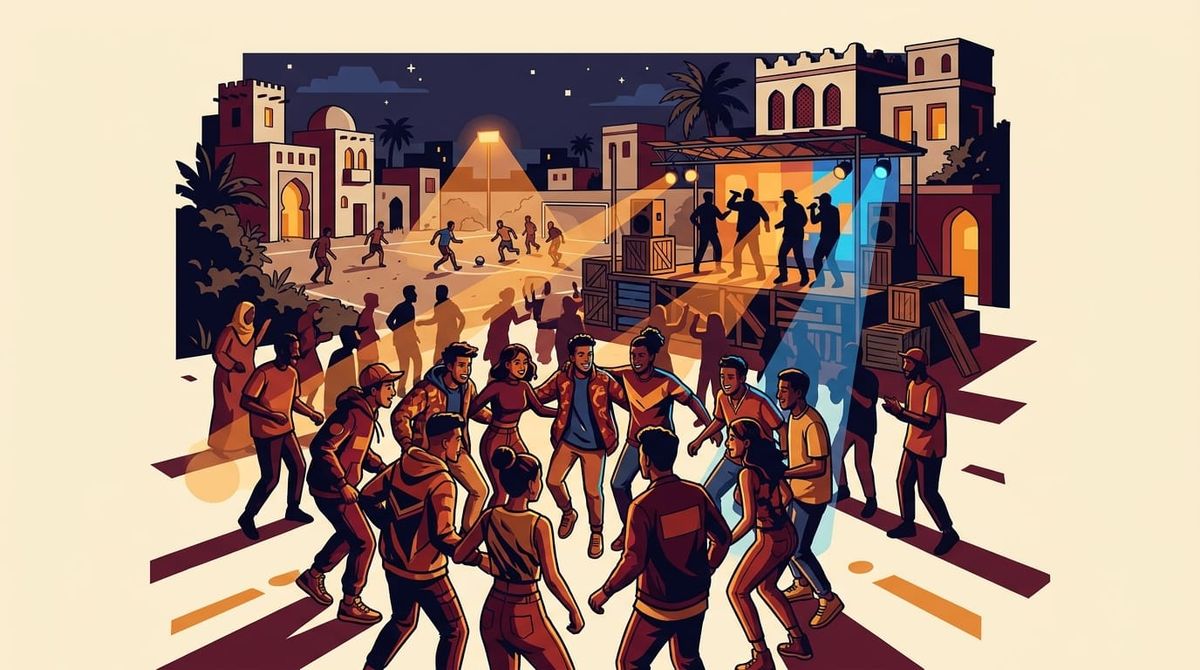
Forget the athlete on the podium. Power Horse wants to be in the group chat.
The energy drink brand's partnership with Dè Favela, a Dubai-based community event series run by PBLK Affairs, signals a deliberate departure from the performance-marketing playbook that has defined the category for years. The latest edition took place on May 2, bringing together Dubai youth for a night of football, fashion, music, and street culture.
Community as Brand Strategy
The event is the brainchild of Asher AR, founder of Dè Favela and co-founder of PBLK Affairs. The concept draws from the spirit of Brazilian favelas (improvisation, multi-identity expression, collectivity) and has evolved into what Asher calls a destination for organic brand partnerships.
"It was never built for brands. It was built for people first," he says. "Everything at Dè Favela comes from the community. How they dress, what they listen to, how they move. Brands don't define the space. They step into something that already has energy."
The distinction matters. At Dè Favela, brands don't get a logo on a backdrop. They're expected to reinterpret themselves through the event's world. "Whether it's a stage, a pop-up, or a moment in the night, it has to feel like Dè Favela first," Asher says. "If it doesn't sit naturally within football, fashion, music and community, we don't do it."
Aiming at the Crew, Not the Athlete
For Power Horse, the partnership is a strategic statement about where youth culture actually lives. Khuram Leghari, the brand's Global Lifestyle Marketing Manager, is candid about what the energy drink category has traditionally chased, including athletes, performance, and podiums, and why that frame leaves a large part of the audience unclaimed.
"Youth culture today isn't shaped by athletes alone. It's shaped by communities," Leghari says. "The people who move culture forward aren't always on a stage or a track. They are in the room, in the crew, in the group chat."
The implicit contrast with dominant category players is deliberate: "Red Bull owns the athlete. We are after the crew they run with."
Leghari frames the brand's philosophy around a simple distinction: advertising versus participating. "Consumers can tell the difference between a logo on a banner and a can in someone's hand at a party they were actually at," he says. "Presence builds awareness. Participation builds permission."
Results Without the Paid-Media Budget
The commercial case rests on Dè Favela's track record. Over the years the event has hosted tens of thousands of attendees. Its core audience sits in the 18-to-20 age range, with women making up close to 50% of attendees, a demographic that mainstream energy drink marketing has historically underserved.
Each edition generates hundreds of pieces of user-generated content. "We've reached up to 1 million impressions across platforms, driven largely by organic community-led content," Asher says. In editions tied to product drops or exclusives, brands have recorded on-ground sell-outs.
The brand roster beyond Power Horse includes adidas, JD, Johnnie Walker, and Suntory Global Spirits, a cross-category mix that reinforces Dè Favela's positioning as a genuine youth-culture property rather than a single-brand vehicle.
Looking for World-Class PR & Comms in APAC?
Tailored service packages for select brands and agencies.
The Authenticity Tax
Leghari does not dress up the underlying challenge. "Authenticity is the tax brands must pay to be a part of today's youth culture," he says. The payoff, if earned, is credibility that paid media cannot replicate.
"People don't just attend. They participate, they create, they share. That's where brands see the real return," Asher says.
For Power Horse, the model is less about disrupting a category than claiming a lane the category's biggest players left empty. As Leghari puts it: "We don't chase attention. We earn it by showing up where culture already is."
Want to reach thousands of marketing and comms professionals across Asia?
Get your brand in front of industry decision-makers.
Partner with Mission Media →


