
TBWA\HAKUHODO's iPhone Eye Camera Completes 170,000 Exams Across 60 Nations
Japanese agency TBWA\HAKUHODO's smartphone eye camera device has enabled 170,000 medical exams across 60 countries. A shift from ads to social products.

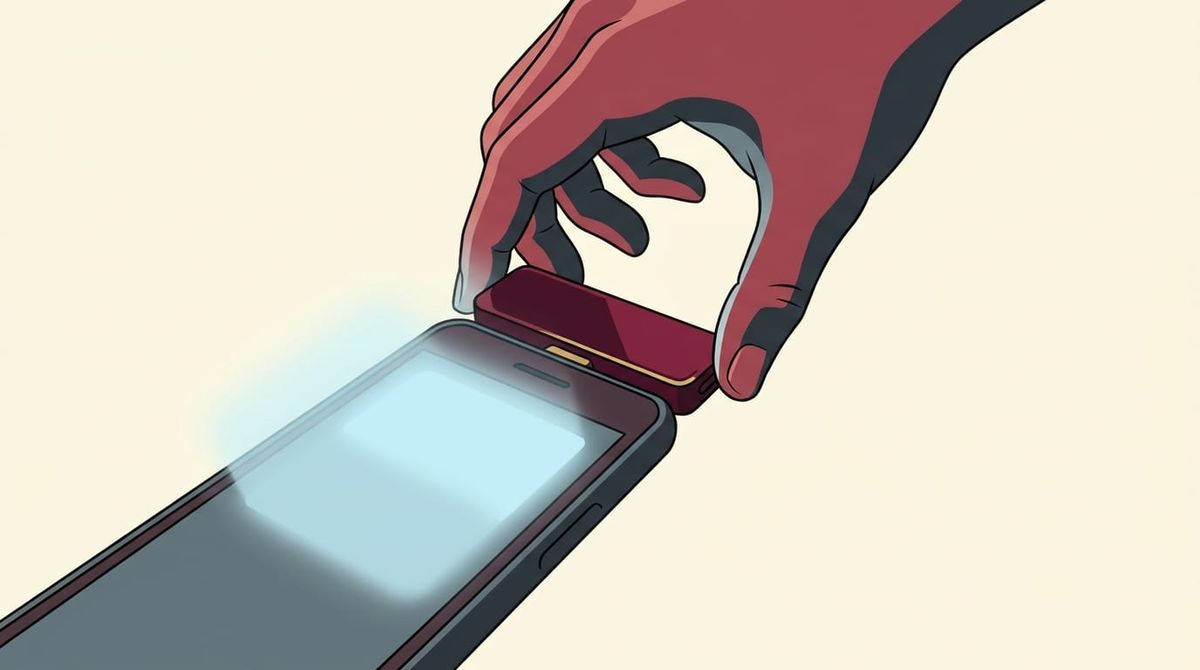
A smartphone attachment that replaces a US$20,000 medical device. A set of colored gloves that lets deaf athletes experience a crowd roaring. These are not tech startup products. They came from an advertising agency in Tokyo.
TBWA\HAKUHODO took home seven awards at the 105th ADC Annual Awards in New York last week, including the highest honor in product design. Both winning projects tackled real social problems. Neither looked like a traditional ad campaign.
This matters beyond the trophy cabinet. It signals a shift in what creative agencies are actually doing in Asia.
An iPhone That Sees What Doctors Cannot
The Smart Eye Camera is a small device that clips onto an iPhone and mimics the diagnostic power of a slit-lamp microscope, equipment that costs tens of thousands of dollars and requires a trained eye specialist to operate.
 Mission Media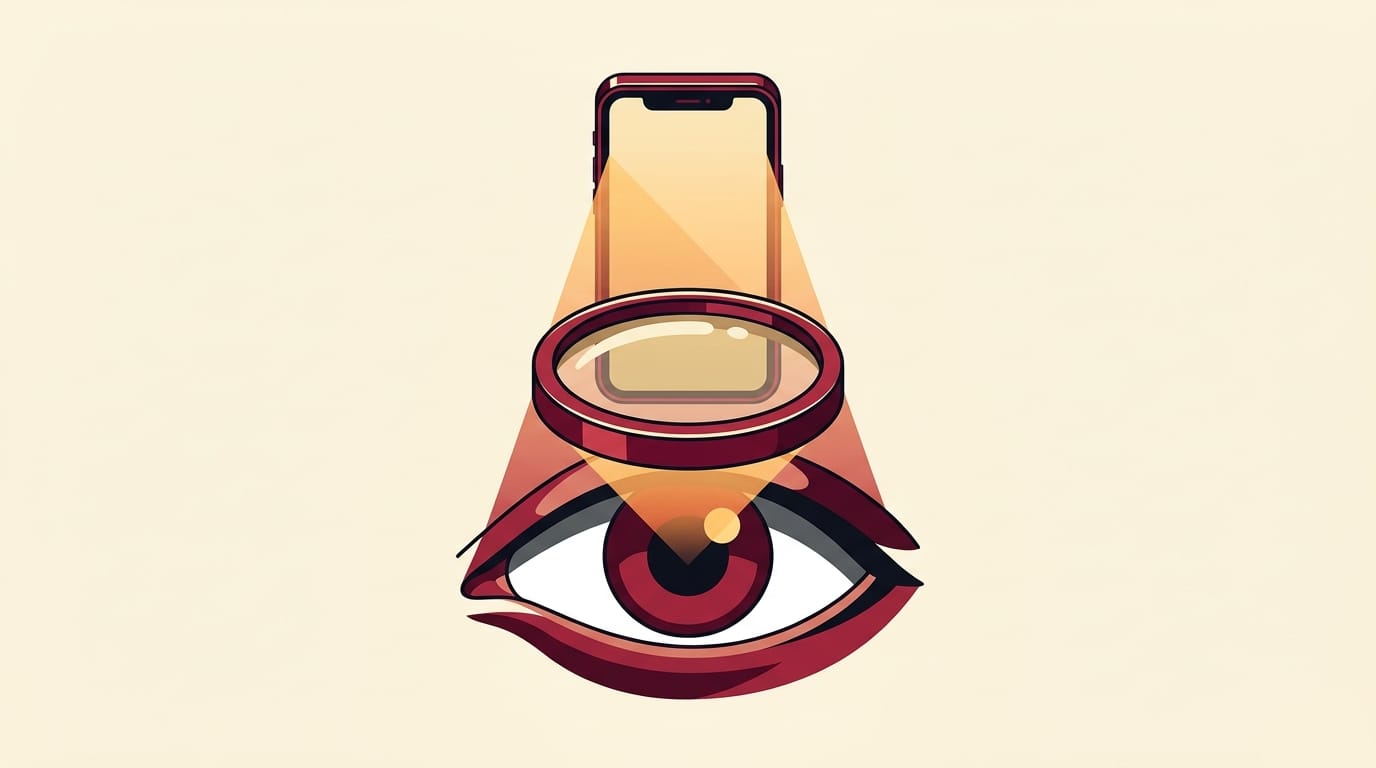
OUI Inc., a startup founded by a Keio University ophthalmologist who witnessed a healthcare worker examining a patient's eye with nothing but a phone flashlight during volunteer work in Vietnam, built the device. TBWA\HAKUHODO served as the agency's creative partner throughout.
The results are not hypothetical. More than 170,000 eye examinations have been conducted across roughly 60 countries. The device is registered as a medical product in Kenya and Vietnam. An Asian Development Bank project distributed units to schools. A newborn screening program in Indonesia is now in planning.
The ADC jury gave it Best of Discipline in Product Design, plus two Gold Cubes. At Spikes Asia earlier this year, it won two Grand Prix. The recognition is notable. But the 170,000 exams are the real headline.
Turning a Crowd's Clap Into Something Visible
The second project addressed a different gap. At the Tokyo 2025 Deaflympics, which brought 3,000 athletes from 80 countries to Japan for the event's 100th anniversary, TBWA\HAKUHODO co-developed CHEER SIGNS with the Tokyo Metropolitan Government.
The idea was simple: deaf athletes cannot hear a crowd cheering. So the team created three visual gestures rooted in Japanese Sign Language, distributed colored gloves to spectators, and deployed the system across seven competition venues. Clapping and shouting became waving and light.
The project won a Silver Cube and Bronze Cube at ADC in experiential design. But its legacy extends further. The Deaflympics pushed Tokyo venues to install real-time text displays, flash doorbells, and transparent sign-language screens, infrastructure that will serve future visitors.
Looking for World-Class PR & Comms in APAC?
Tailored service packages for select brands and agencies.
What This Means for Marketing Leaders
The line between brand work and social infrastructure is getting blurry. The Asia-Pacific ophthalmic diagnostic devices market is on track to reach US$2.18 billion by 2027. Governments across the region are actively commissioning agencies to solve accessibility problems at civic scale.
TBWA\HAKUHODO is not an outlier. Its portfolio includes a safety helmet made from recycled scallop shells, streetlights in post-Fukushima areas repurposed from discarded electric vehicle batteries, and Tokyo's first fully voice-controlled public restroom. These are not cause-marketing campaigns. They are products and systems the agency helped design and bring to market.
APAC agencies collectively secured 10 Gold Cubes at the same ADC event. Omnicom Health became the first healthcare network to win ADC Network of the Year at the ceremony. The direction of travel is clear.
For executives evaluating agency relationships, the question is no longer whether your creative partner can produce a good campaign. It is whether they can help you build something that still matters in five years.
Want to reach thousands of marketing and comms professionals across Asia?
Get your brand in front of industry decision-makers.
Partner with Mission Media →


