
OTT Viewing Up 27% Ahead of 2026 World Cup: Singapore Advertisers Face Planning Crisis
OTT viewing in Singapore is up 27% as audiences shift across screens and dayparts ahead of the 2026 World Cup, forcing advertisers to rethink planning.

A new report from Nexxen, a global advertising technology company, surveyed more than 1,000 Singaporean adults who plan to watch the tournament. The findings reveal a fundamental shift in how audiences consume live sport. Streaming is no longer a backup channel. It is the primary one.
The 2026 FIFA World Cup kicks off in North America this summer, and Singapore is watching. But not the way advertisers expected.
Over-the-top and connected TV viewing in Singapore is up 27% since the 2022 Qatar World Cup. That is not a blip. It is a structural change that has arrived ahead of the tournament, not because of it.
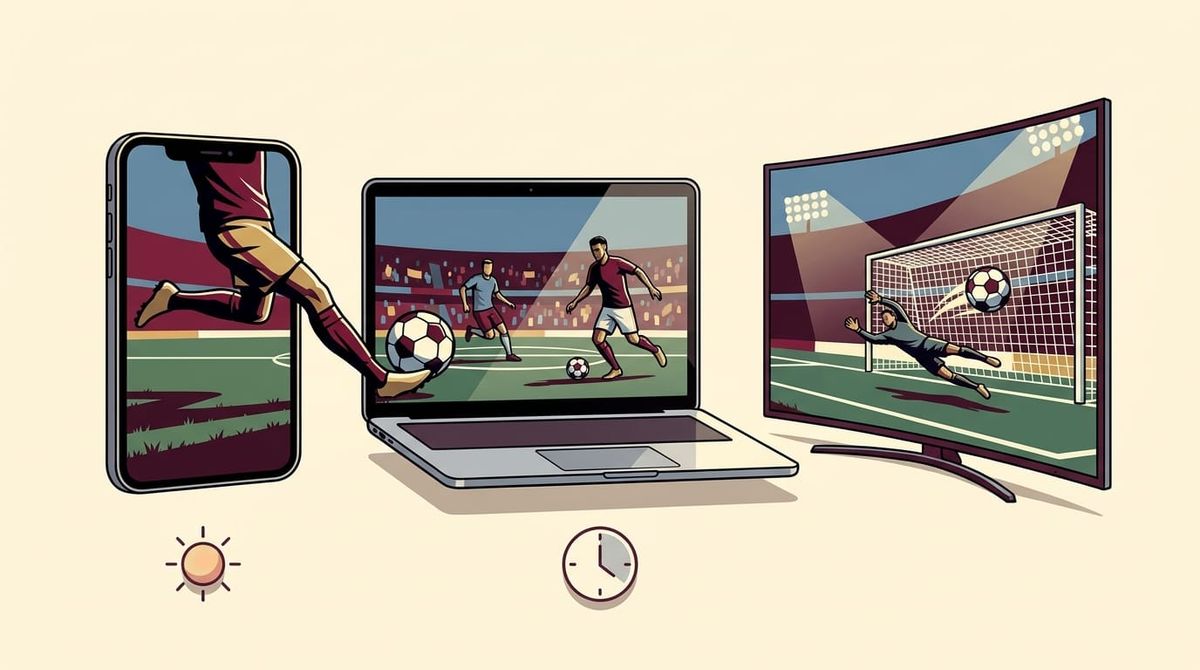
One Match, Three Different Screens
The most striking finding in the report is not the overall streaming growth. It is the daypart split.
During work hours, 53% of Singapore viewers watch on mobile or laptop. Come evening, 84% switch to the TV. Weekends push TV viewing even higher, to 85%. What this means is that your audience is not in one place. They are in three different places, at three different times of day, on three completely different devices.
For Singapore advertisers still buying media around the live broadcast peak, this data signals a planning problem. A single prime-time TV spot will miss more than half the audience that watches during the day. A mobile-only campaign will miss almost everyone watching in the evening.
"While mass audiences are proven, scale in 2026 will come from layered presence across TV, streaming and mobile platforms," said Josif Zanich, Managing Director JAPAC at Nexxen.
The Tournament Tail Is Longer Than You Think
The other number worth sitting with is 87%. That is the share of Singapore respondents who say they will keep watching even after Singapore's national team is eliminated. Given that Singapore has never qualified for a World Cup, that means all 87% will keep watching regardless.
This changes the campaign math significantly. Brands that built their 2022 World Cup strategy around a launch burst at the opening match and then pulled back are now looking at a 64-match window of sustained audience engagement. The tournament runs from June to July. That is two months of daily viewership across multiple platforms, not a two-week awareness play.
Nexxen's Josif Zanich framed the shift directly: "2026 will mobilize an already established audience, making early planning and sustained presence more critical than awareness building."
Gen Z Will Not Watch the Way You Think
The report also highlights a segment of the Singapore audience that is largely invisible to traditional broadcast planning: younger viewers who never watch live.
Global data shows 80% of Gen Z prefers watching sports on mobile, and 74% get their sports content through social media. More pointedly, 23% prefer watching highlights over full matches, and 17% prefer on-demand viewing entirely. These viewers will engage with the World Cup. But they will do it through clips, replays, and social feeds, not through the broadcast window.
For Singapore marketing leaders, this cohort requires a different creative approach. A 30-second spot built for prime-time TV will not land for someone watching a 90-second highlight on their phone during lunch.
Zanich noted that "Adult Gen Z will drive deeper, multi-platform engagement, extending the tournament tail and increasing report exposure opportunities," a recognition that this audience segment stretches the engagement window rather than compressing it.
What the Broadcast Infrastructure Is Telling You
Even the broadcasters are reading the data correctly. Mediacorp has tripled its free-to-air match coverage, moving from nine matches in 2022 to 28 matches in 2026, including the Final and all semi-finals, available on Channel 5 and mewatch. Singtel is carrying all 104 matches via Singtel TV and its CAST.SG multi-device streaming platform.
These are not incremental upgrades. These are two major Singapore media players simultaneously acknowledging that audiences will not tolerate access restrictions on live sport. If advertisers do not follow the same logic, they will find themselves buying into a narrowing audience on linear TV while viewers scatter across every other surface.
The Singapore connected TV advertising market is still relatively small, at US$26.35 million in 2025, projected to grow to US$30.79 million by 2029. That growth curve is likely to accelerate sharply as brands that previously sat out programmatic TV advertising test it during the World Cup and find it works.
Looking for World-Class PR & Comms in APAC?
Tailored service packages for select brands and agencies.
The Planning Shift Required
The 2026 World Cup is not asking Singapore advertisers to add a streaming line item to an existing broadcast plan. It is asking for a different planning philosophy entirely.
Audiences are not choosing between broadcast and streaming. They are using both, across different times of day, on different devices, for different purposes. The 85% multi-screening rate in Singapore confirms this: most viewers are simultaneously on a second device during TV viewing, creating a parallel attention window that coordinated cross-screen advertising can reach.
Brands that treat the World Cup as a single media moment will get a fraction of the available audience. Brands that plan across the full tournament duration, across screens and dayparts, will reach the whole game.
Want to reach thousands of marketing and comms professionals across Asia?
Get your brand in front of industry decision-makers.
Partner with Mission Media →


