
WPP Backs US$14.8M CEO Bet on AI Transformation Amid Downturn
WPP shareholders approved a $14.8M pay package for new CEO Cindy Rose, a 37% jump amid revenue decline. The board's bet: technology transformation leadership commands premium compensation.

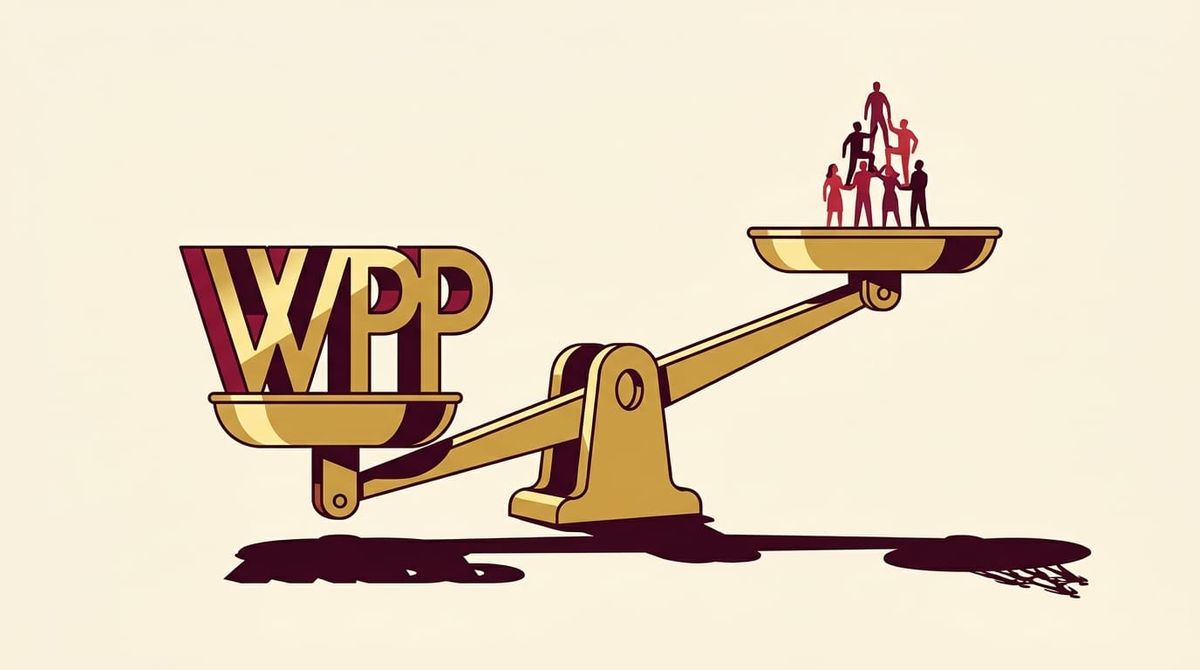
WPP shareholders just gave their new CEO a pay raise that would make most people blink twice. At the company's annual meeting in London on May 8, 2026, 75% of shareholders approved a pay package for CEO Cindy Rose worth up to US$14.8 million (around £11.1 million) per year.
That's a 37% jump from the maximum US$10.8 million (£8.6 million) ceiling set for her predecessor, Mark Read, who left the role in September 2025.
The timing is notable. WPP is in the middle of one of the toughest stretches in its history.
A Company Paying More While Earning Less
The numbers tell a stark story. WPP's full-year 2025 revenue fell 8.1% to £13.55 billion, its worst financial performance in over a decade. Profit after tax dropped 30.1% to £738 million. The company lost its spot in the FTSE 100 (the index of Britain's 100 biggest publicly listed companies) in December 2025, and it's no longer the world's largest advertising group. That title now belongs to Publicis.
WPP's Q1 2026 revenue fell another 6.7% year-on-year. Its media buying division, which makes up 41% of total revenue, dropped 8.5%.
At the same time, about 9,000 jobs have been cut. The company's own CFO confirmed that the savings "largely come from people."
So why is the board paying the new CEO so much more?
The Bet: Pay for Transformation, Not Performance
The board's argument is straightforward. WPP isn't hiring a caretaker. It's hiring a tech transformation leader.
 Mission Media
Rose comes from Microsoft, where she served as UK CEO and later as COO for global enterprise operations. Her entire career has been about moving large, complex organizations into the AI era. WPP's board is essentially paying for that specific skill set.
The company's turnaround plan, called Elevate28, lays out the vision. WPP is restructuring from a loose collection of agencies into four tightly integrated units: WPP Media, WPP Creative, WPP Production, and WPP Enterprise Solutions. The target is £500 million in annual cost savings by 2028, at a restructuring cost of £400 million. WPP is also investing £250 million every year in its AI platform, called WPP Open, which the company describes as an "agentic marketing platform" (software that can independently execute tasks rather than just provide recommendations).
The plan also shifts how WPP charges clients. Instead of billing for hours worked, the company wants to move toward fees tied to outcomes and technology results. If it works, that model could improve profit margins even while revenue stays flat or falls.
Rose herself, on inheriting the business, said she was "disappointed due to underperformance." She has given herself 18 months to complete the restructuring.
Looking for World-Class PR & Comms in APAC?
Tailored service packages for select brands and agencies.
A Vote That Raises More Questions
The vote wasn't a clean win. Both compensation resolutions fell below the UK Corporate Governance Code's 80% approval threshold, triggering a mandatory shareholder engagement process within six months. That means the board will have to explain itself further, even with the vote technically passing.
Two major proxy advisory firms, ISS and Glass Lewis, both recommended that shareholders reject Rose's pay package beforehand. Their argument: the package was "disproportionate to WPP's market position and financial performance."
One in four WPP shareholders voted against it anyway. That's a significant protest vote for a CEO who has been in the role for less than eight months.
What This Means for Marketing Leaders in Asia
For marketing and communications executives across APAC, this story isn't really about executive pay. It's about where the industry thinks value now lives.
Mission Media
WPP's biggest rival, Publicis, has already bet heavily on AI. Its Marcel platform now drives nearly 60% of Publicis revenue through what it calls Connected Media. Publicis grew organically by 5.7% in Q3 2025 while WPP shrank 8.4% in the same period. As Arthur Sadoun, CEO of Publicis, put it: "AI is not a future promise. It's a reality today that's driving our growth."
The message from WPP's board is similar, even if the execution is still in progress. Technology transformation leadership is now a premium asset. Boards are willing to pay for it above almost anything else.
WPP will have to show results before the next AGM.
Want to reach thousands of marketing and comms professionals across Asia?
Get your brand in front of industry decision-makers.
Partner with Mission Media →


