
Why Publishers Are Finally Drawing a Line on AI Content
CNN filed a landmark copyright lawsuit against Perplexity for copying 17,000 articles. Publishers are finally drawing a line on AI content.

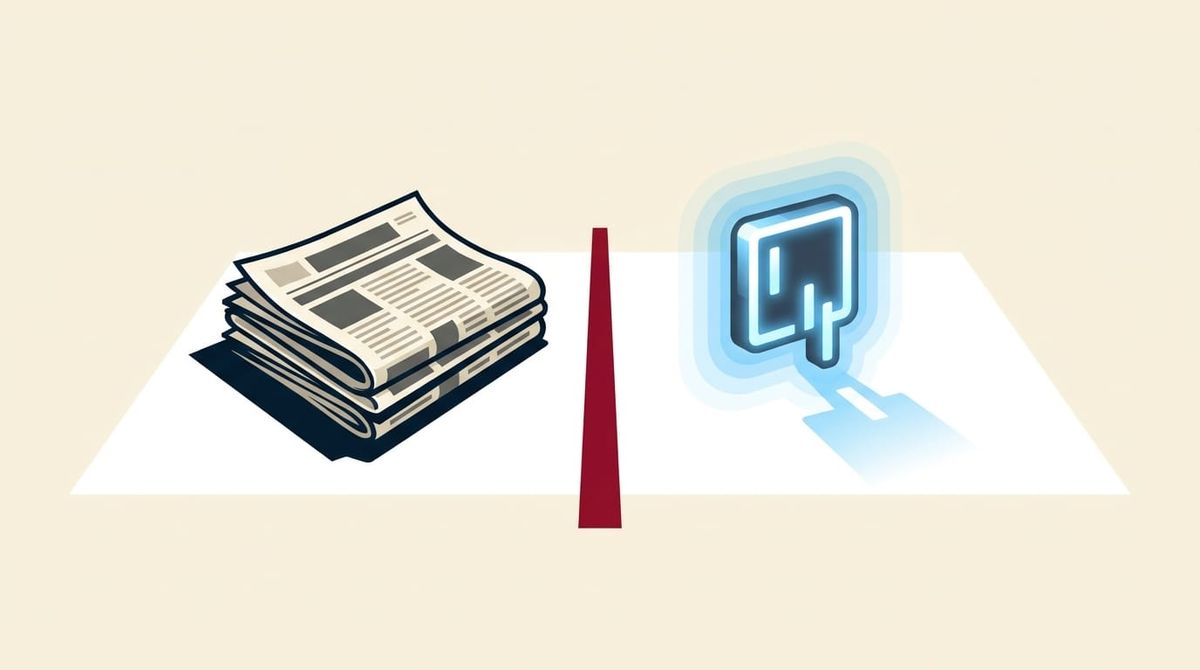
CNN has filed a copyright lawsuit against AI search company Perplexity, accusing it of copying more than 17,000 CNN stories, photos, videos, and other works without permission. The lawsuit was filed on May 28, 2026, in a federal court in New York. It is CNN's first legal action against an AI company and the first of its kind brought by any television network.
The complaint claims Perplexity took this content to power its AI products, then distributed material that was "identical or substantially similar" to CNN's original journalism. CNN is seeking unspecified monetary damages and a court order to stop Perplexity from continuing to use its content.
What CNN Is Alleging
At the heart of the case is a familiar tension: who gets paid when an AI company uses someone else's work to build a product?
 Mission Media
CNN's position is direct. Its spokesperson said the lawsuit reflects its view that Perplexity, despite being valued in the billions of dollars, should pay publishers for the journalism it uses. CNN's complaint argues that Perplexity's actions "undermine the economics of original journalism by exploiting reporting that is expensive and resource-intensive to produce."
Before going to court, CNN tried to negotiate a licensing deal with Perplexity in 2025. Those talks broke down. CNN then blocked Perplexity's crawlers (automated software that copies web content) from its site and filed this lawsuit. CNN says it remains open to "sensible licensing arrangements" and already has an AI deal with Meta, publicly reported in December 2025.
Perplexity's Response
Perplexity has denied the allegations. Its spokesperson Jesse Dwyer offered a short rebuttal: "You can't copyright facts."
The company's broader argument is that its AI uses are transformative and that facts in news articles cannot be legally owned. Whether courts will accept this remains to be seen. The outcome will depend on how judges interpret "fair use" rules, which allow limited use of copyrighted material in certain circumstances.
A Widening Publisher Coalition
This case does not exist in a vacuum. Perplexity is already facing lawsuits from several major publishers including The New York Times, Dow Jones, and Reddit over similar allegations. CNN's filing is notable because it is the first time a television network has taken an AI company to court over copyright.
Mission MediaNot all publishers are choosing litigation. Companies including Gannett, TIME, Le Monde, and Der Spiegel have signed licensing agreements with Perplexity instead. This split captures the industry's two strategies: sue to set a legal precedent, or negotiate to get paid now.
The broader legal landscape is also shifting. In a related case, OpenAI is fighting a court order to hand over 20 million anonymized ChatGPT conversations to The New York Times and other publishers who sued it over copyright infringement.
Looking for World-Class PR & Comms in APAC?
Tailored service packages for select brands and agencies.
What Asian Media Professionals Should Watch
For media professionals in Asia, this case is worth tracking. It signals that the era of AI companies freely copying published content may be coming to an end. CNN's dual approach, licensing with Meta while suing Perplexity, shows publishers are no longer forced to choose one path. They are doing both, depending on who they are dealing with.
That posture will likely spread. Yomiuri Shimbun, one of Japan's largest newspapers, has already reportedly taken action against Perplexity. Other regional media companies are watching these cases as they decide whether to partner with or push back against AI platforms.
Want to reach thousands of marketing and comms professionals across Asia?
Get your brand in front of industry decision-makers.
Partner with Mission Media →


