
Australia Imposes 2.25% Revenue Levy on Meta, Google, TikTok
Australia threatens Meta, Google, and TikTok with a 2.25% revenue levy unless they pay news publishers. A regulatory shift in Big Tech's news content liability.

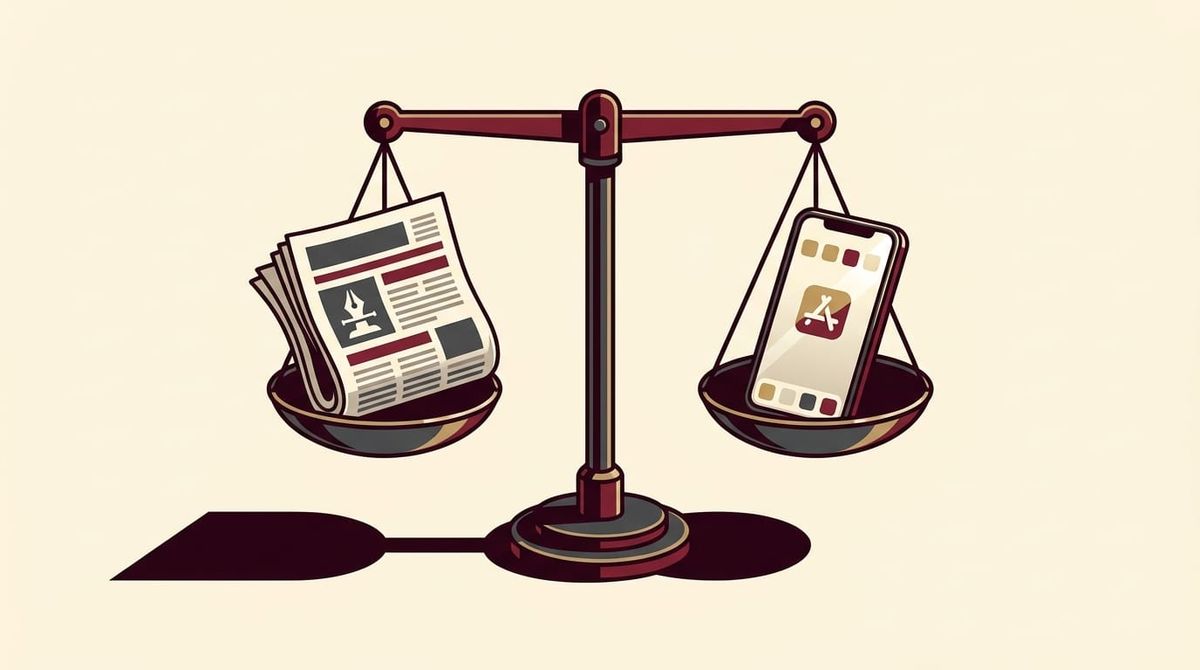
Australia just issued an ultimatum to the world's biggest tech companies: pay local news outlets for their content, or hand over a 2.25% slice of your Australian revenue to the government instead.
The Albanese government unveiled the proposed News Bargaining Incentive on April 28. It targets Meta (Facebook), Google, and TikTok. If those platforms fail to reach deals with Australian news publishers, the levy kicks in from July 1, 2026.
This is not Australia's first attempt to make Big Tech pay for journalism. But the government has made clear it has run out of patience with the old approach.
The Law That Didn't Last
Australia passed the world's first law forcing tech platforms to negotiate with news publishers back in 2021. For a while, it worked. Platforms signed deals, and roughly A$250 million a year flowed to Australian news organizations at peak.
Then those deals expired in 2024 and were not renewed. Meta and Google apparently decided the old rules no longer gave them enough reason to keep paying.
The government's response is the News Bargaining Incentive. Instead of encouraging platforms to negotiate, the new legislation taxes them directly if they don't.
Pay the Publishers or Pay the Government
The structure is deliberately punishing for platforms that refuse to deal. Under the draft legislation, platforms that do not sign agreements with news publishers will pay a 2.25% levy on their Australian revenues. The proceeds go to news companies, with distribution based on how many journalists they employ.
Platforms that do strike deals will receive offsets of 150 to 170% against the levy. Crucially, the draft gives bigger offsets to platforms for deals struck with smaller news organizations. This creates an incentive not just to deal, but to deal broadly across the media ecosystem, not only with the biggest outlets.
Communications Minister Anika Wells was direct about the intent: "Platforms should do deals with news organisations. If they decide not to, they will end up paying more."
Tech Giants Push Back
Neither Meta nor Google responded to immediate comment requests. But the direction of their positions is already on the record.
Meta previously called similar legislation "nothing more than a digital services tax" and described it as "a government-mandated transfer of wealth from one industry to another, with no connection to the value exchanged." Google, for its part, has said it "already has commercial arrangements with more than 90 local news businesses in Australia" and "rejects the need for this tax."
What Big Tech does next matters. When Canada introduced comparable legislation, Meta's response was not to deal but to block all news links for Canadian Facebook and Instagram users. That block remains in place today.
Australia is watching that precedent closely. If one or more platforms exit news distribution rather than pay, the government's plan to fund journalism could backfire, removing news from the feeds of millions of Australians instead.
A Sovereignty Argument with Trade Consequences
There is a geopolitical dimension here that Australian business leaders cannot ignore.
US President Donald Trump has repeatedly opposed digital services taxes on American tech giants, threatening trade tariffs on countries that pursue them. Analysts at the University of Sydney have noted that the NBI's revenue-based charge is structurally similar to a digital services tax, putting Australia in a diplomatically awkward spot.
Prime Minister Anthony Albanese did not try to sidestep the tension. He addressed it head-on: "We are a sovereign nation. And my government will make decisions based upon the Australian national interest."
That framing signals the government intends to push this legislation through regardless of US pressure. But the trade-off between funding domestic journalism and risking US retaliatory action will remain a live calculation as the legislation moves toward Parliament.
Looking for World-Class PR & Comms in APAC?
Tailored service packages for select brands and agencies.
What This Means for the Region
Australia has a track record of testing media regulation that others then replicate. The 2021 News Media Bargaining Code directly influenced Canada's Online News Act and shaped regulatory debates across Europe.
If the News Bargaining Incentive successfully compels platforms to sign deals with publishers, governments across Southeast Asia and beyond will take note. If platforms resist and pull news distribution instead, that outcome will equally reshape how regulators in the region approach the problem.
For marketing and communications leaders in Asia, the immediate lesson is straightforward: the era of platforms freely hosting news content without compensation is ending. Platform policies around news are increasingly driven by government mandates, not commercial logic. Understanding where that legislative wave is heading is now a strategic priority, not just a policy footnote.
Want to reach thousands of marketing and comms professionals across Asia?
Get your brand in front of industry decision-makers.
Partner with Mission Media →


