
Twitch Viewbot Fraud Hits $4.8B: How Brands Misallocate Creator Budgets
Global creator fraud hits $4.8B as 80% of top Twitch streamers show viewbotting signs. How brands can protect marketing budgets through better measurement.

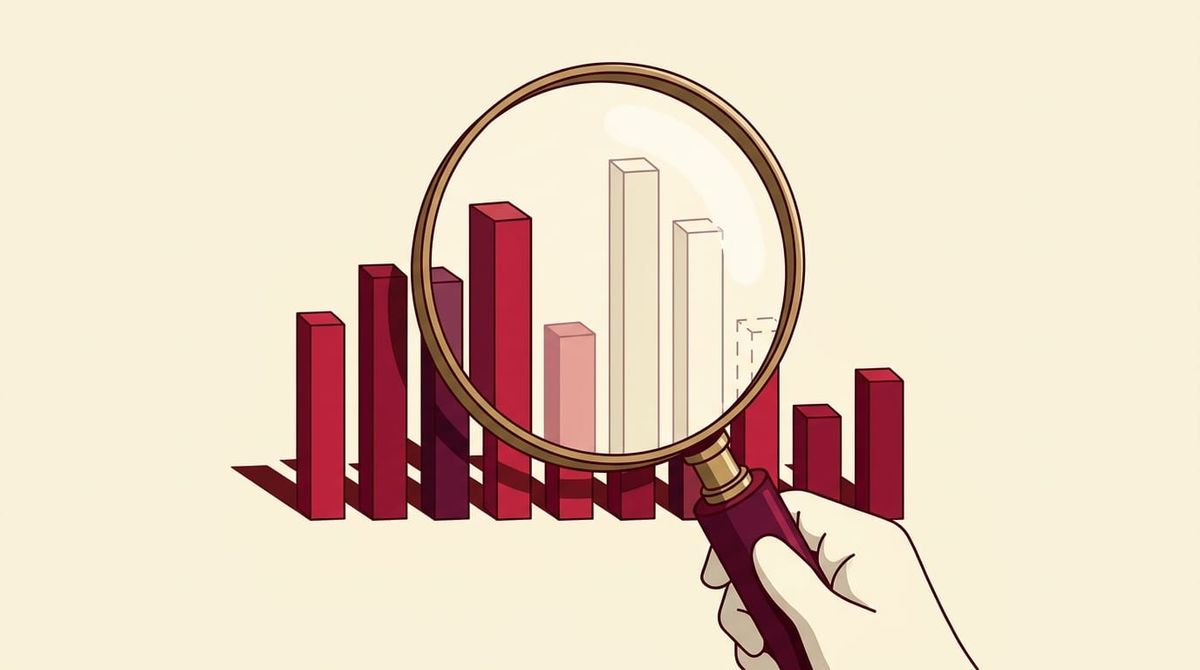
When iShowSpeed appeared to hit 2 million concurrent viewers on Twitch during a Caribbean stream in May 2026, it looked like a record. It wasn't real. The streamer later admitted the count had been inflated by viewbots, and the episode prompted Twitch CEO Dan Clancy to announce new enforcement measures on May 7, 2026.
But for brands with money in creator partnerships, the problem goes deeper than one streamer's embarrassing admission.
The Numbers Brands Are Buying Are Broken
Creator economy ad spend has reached US$44 billion in 2026, up from US$37 billion the year before. Nearly half of brands now describe creator marketing as a must-buy part of their media plan. That's a lot of budget riding on creator metrics.
Yet roughly 80% of the top 500 Twitch streamers show signs of viewbotting or being targeted by viewbots. In Q2 2025 alone, suspicious streams generated more than 30 million hours of fake watch time, comparable to the weekly viewership of Netflix's top shows. When Twitch ran its biggest anti-botting update in August 2025, total platform viewership dropped 22% overnight. That was the real audience, suddenly visible.
The Fraud Math Is Brutally Simple
The economics explain why viewbotting won't stop on its own. A service that inflates a 300-viewer stream to 1,000 apparent viewers costs roughly US$150 to US$180 per week. With that inflated count, a creator can attract sponsorship deals that generate US$1,600 or more in agency commission from just two two-hour sessions. That's a four-times return on the fraud investment.
Global influencer fraud losses hit US$4.8 billion in 2026, up 269% from US$1.3 billion in 2019. For the first time, AI-generated synthetic fraud (US$2.1 billion) surpassed old-school bot-driven fraud as the costliest category. The bots aren't crude scripts anymore. They simulate human behavior with varied device fingerprints, randomized watch times, and chatting that looks real. Manual audits can't catch them.
More Than an Ad Fraud Problem
Here's what makes viewbotting different from regular digital ad fraud, and why it's harder to fix.
 Mission Media
Matt Barash, Chief Commercial Officer at Nova Studio, frames it clearly: "In traditional digital media, fraud is largely treated as a transactional problem. Did the advertiser pay for invalid impressions? Were bots filtered? But creator media introduces a different vulnerability. Social proof is part of the product itself. If a creator appears to have 2 million viewers instead of 200,000, that doesn't just distort reporting. It can influence sponsorship pricing, creator selection, budget allocation, and perceived market demand before a campaign ever runs."
In other words, viewbotting contaminates the signals brands use to decide which creators to talk to. By the time a brand runs a campaign, the damage is already done in the selection process.
This is compounded by a measurement gap that already exists. 73% of brands with 50 to 500 creator partners can't accurately attribute revenue to individual creators. When you can't track what's working, inflated viewer counts become the default signal for decision-making. That's exactly the vacuum viewbot operators exploit.
Looking for World-Class PR & Comms in APAC?
Tailored service packages for select brands and agencies.
What Brands Can Do Now
Twitch says its ad billing systems are separate from public viewer counts. YouTube says the same. But neither platform will detail their detection methods, because doing so would help bot operators get around them. The platforms are in a cat-and-mouse game they're not winning.
For marketing teams allocating real budget to creator partnerships, the practical implication is that viewer counts alone are not a reliable basis for pricing or selection. Metrics like conversion rate, affiliate link performance, discount code redemption, and first-party engagement data are harder to fake and closer to what brands actually care about. At least 15% of influencer marketing spend is lost to fraud industry-wide. The brands that adjust their creator evaluation frameworks now will recover that margin.
The audience numbers may look impressive. They just may not be real.
Want to reach thousands of marketing and comms professionals across Asia?
Get your brand in front of industry decision-makers.
Partner with Mission Media →


