
Why Hinge's Lo-Fi Approach Matters for Gen Z Trust
Hinge opens chapter three by prioritizing emotional honesty over aspiration. How lo-fi production and real couples signal authenticity to Gen Z audiences—and what marketing leaders can learn.

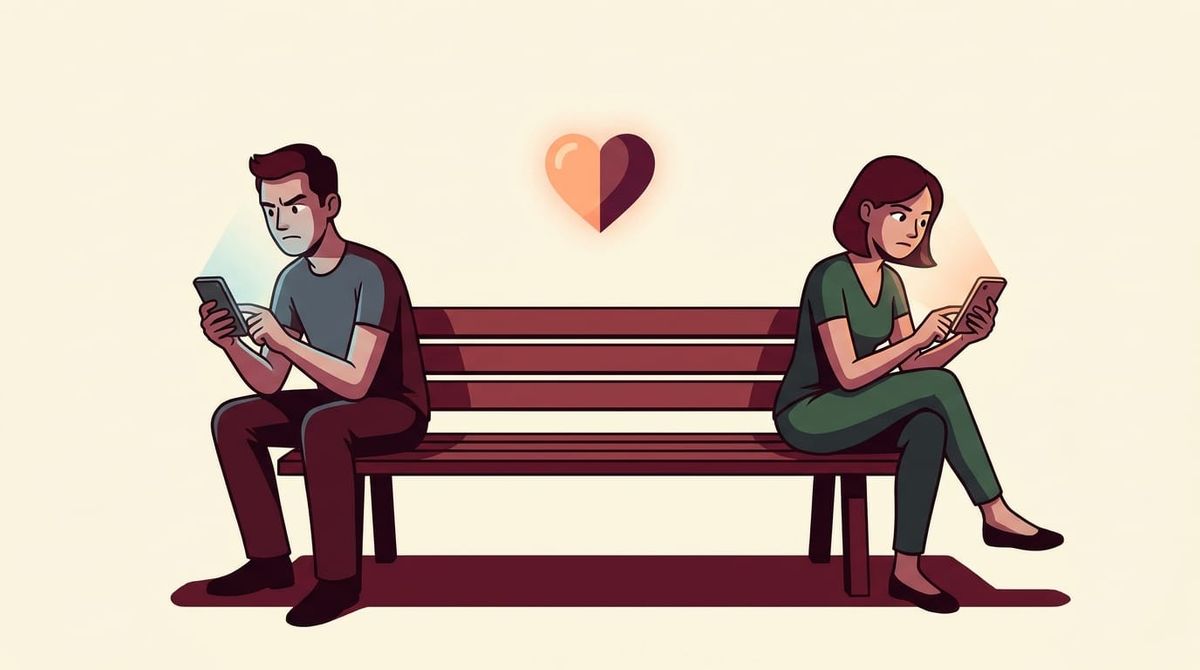
Hinge launched the third chapter of its global campaign on May 14, 2026, and the message is deliberately uncomfortable. The new installment, titled "Can't Believe We Met on Hinge," does not open on two people falling in love. It opens on what came before: skepticism, frustration, cautious optimism, and the real temptation to give up entirely.
That choice is not accidental. For marketing leaders watching how consumer brands are building trust with younger audiences, this campaign is a useful case study in emotional honesty as a creative strategy.
What the Three Chapters Have Built
The It's Funny We Met on Hinge campaign has run across three chapters, each expanding the emotional territory it covers.
Chapters one and two challenged a long-standing cultural assumption: that meeting someone "in real life" is somehow more genuine than meeting through an app. Hinge pushed back on that binary, using real couples to argue that the where of meeting matters less than the what.
Chapter three shifts the lens inward. Rather than defending the app as a credible place to find connection, it sits with the emotional state people are in before that connection happens. The confusion. The second-guessing. The near-decision to stop trying.
Seven real couples feature across the campaign, which runs through July 2026 on streaming, cinema, and social media in the US, Canada, UK, and Australia.
The Production Approach Is the Message
What makes this campaign structurally different from most brand advertising is that the filmmaking method directly mirrors what it is trying to communicate.
There are no scripts. No cue cards. The films use self-shot footage and personal camera-roll archives from the couples themselves. The visual language is deliberately textured and lo-fi, matching the way Gen Z already documents their own lives.
Corinna Falusi, Founder and CCO of creative collective Birthday, which developed all three chapters, described the approach directly: "We wanted the filmmaking to feel as honest as the stories themselves, so we leaned into real-life textures: self-shot footage, camera-roll moments, the visual language Gen Z already uses to tell their lives. Bringing real voices into the process wasn't performative; it was essential to making the work feel genuinely theirs."
Filmmaker India Sleem, whose work focuses on emotionally grounded storytelling from real communities, directed all three chapters.
A New Marketing Leader's First Move
Tamika Young stepped into the role of Chief Marketing and Communications Officer at Hinge before this campaign launched. "Can't Believe We Met on Hinge" is her debut.
The choice to open with vulnerability rather than aspiration says something about the direction she is setting for the brand. Young framed the campaign's intent plainly: "Dating can be deeply challenging, and right now a lot of people are feeling that. There's a real desire to see love stories that reflect the honesty of that experience."
That framing extends beyond the campaign itself. When people see authentic stories being shared, Young argues, "it helps them feel less alone in the process and reminds them that love can still happen."
Looking for World-Class PR & Comms in APAC?
Tailored service packages for select brands and agencies.
What Marketing Leaders Can Take From This
The broader signal for any brand trying to reach Gen Z audiences is that emotional honesty is becoming a differentiated creative position, not just a tone. Context matters here: 72% of Gen Z singles question the authenticity of dating profiles, and 79% report burnout from traditional dating apps. Those are the anxieties Hinge is addressing directly.
Hinge's campaign works because the production method and the message are the same thing. The lo-fi footage is not a budget constraint. It is an argument. It says: this is real, the same way the stories are real, the same way the emotions before you meet someone are real.
Gen Z voices are not just featured in the finished films. They are part of the creative and production process throughout. That distinction matters. Consulting an audience after the work is done produces different output than building the work with them from the start.
For brands operating in Asia, where Gen Z consumers are equally attuned to the difference between performed authenticity and the actual thing, this production-as-message approach is worth paying close attention to.
Want to reach thousands of marketing and comms professionals across Asia?
Get your brand in front of industry decision-makers.
Partner with Mission Media →


