
The Functional Drinks Category Lucky Saint Wants to Enter
Lucky Saint moves from alcohol-free beer into functional drinks with an electrolyte lager, targeting post-workout occasions. A brand strategy deep-dive on category expansion and the structural limits of non-alcoholic beverages.

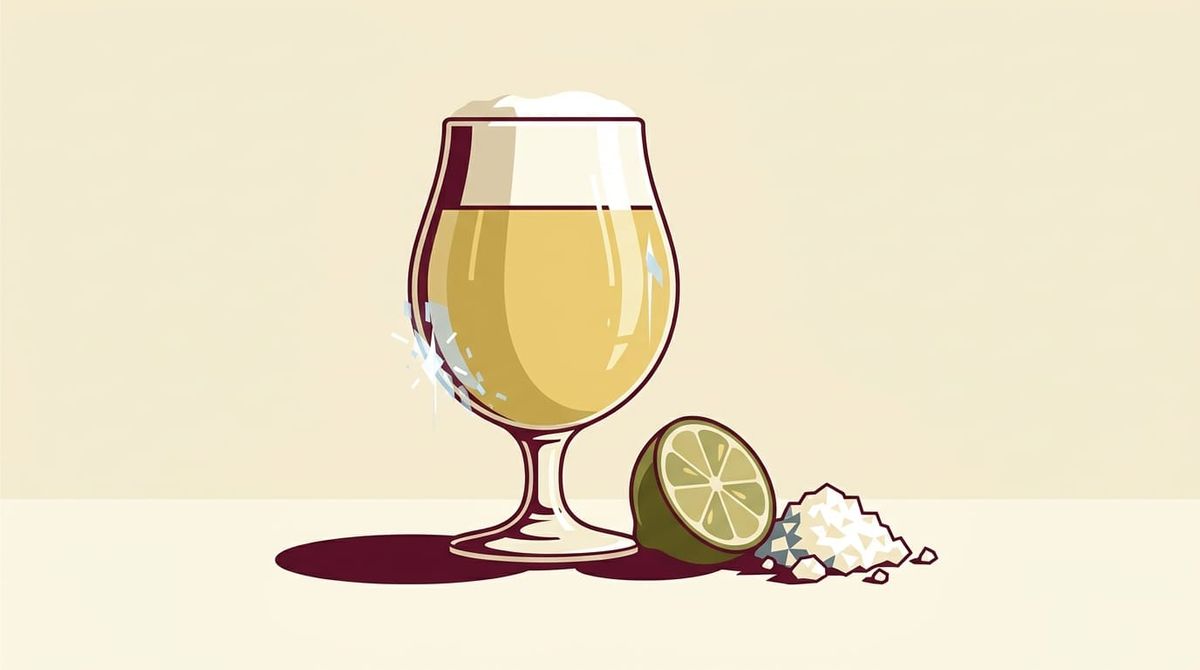
Lucky Saint built its name by being serious about alcohol-free beer. One product. Five years. No gimmicks. Then came an IPA, a lemon lager, a wheat beer, and now a lime and sea salt lager packed with electrolytes. The brand calls it a move into "white space." That framing deserves a closer look.
The new product, launched on TikTok Shop and direct-to-consumer channels in April 2026, is not just another beer style. It is Lucky Saint's first step into the functional drinks space, competing less with pubs and more with Liquid I.V. and post-run hydration drinks. That is either a bold category expansion or a sign that growth within alcohol-free beer alone is harder than the headline narrative suggests.
The answer is probably both.
The Admission Buried in the Strategy
Lucky Saint CMO Kerttu Inkeroinen made a candid observation in her explanation of the new product. "A lot of the times when people are looking to moderate, they actually often choose to drink nothing instead of swapping alcohol with anything else," she told Marketing Week. Then she added: "But I think that's where the white space and opportunity very much is."
Read that again. The CMO of a non-alcoholic beer brand is acknowledging that the biggest competition for her product is not other alcohol-free beers. It is water. It is nothing at all. When people want to cut back, they often just stop drinking rather than reach for a substitute.
That is a structural ceiling for the category. And rather than argue against it, Lucky Saint is trying to go around it. If people will not replace their evening pint with an alcohol-free pint, maybe they will reach for something that combines beer-style taste with functional hydration after a run. Different occasion. Different need. Different competition.
A "Beer First" Brand in a Very Non-Beer Space
The lime and sea salt lager is made to Lucky Saint's brewing principles, using natural ingredients, Inkeroinen says. The branding remains rooted in the beer identity that the brand spent years building. But the target occasions here are post-cycle or post-run, or towards the end of the day for a pick-me-up. That is not the pub. That is the kitchen counter, the gym bag, and the fridge at 6pm after a workout.
 Mission Media
This is genuinely new territory for a brand that built its credibility in on-trade environments. Lucky Saint earned its reputation in pubs, bars, and restaurants. The electrolyte lager is launching exclusively on TikTok Shop and DTC, with no retail presence. Inkeroinen acknowledges directly that TikTok limits impulse purchases compared to a supermarket or convenience store. To compensate, the brand is running its biggest ever creator marketing campaign, designed to show the "occasions and the different lifestyle moments and rituals" the product fits.
Whether creator content can substitute for the spontaneity of seeing a product on a shelf is a real question. Functional drinks like Liquid I.V. and brands in the Poppi generation have thrived partly through TikTok-native community building. Lucky Saint is betting that a similar playbook can work for a beer-adjacent product targeting a health-conscious occasion.
The broader functional drinks market context is real. PepsiCo paid US$1.95 billion for Poppi in 2025. The global functional drinks market is projected to reach US$315.89 billion by 2033, up from US$164.68 billion in 2025. Big capital is following the functional trend. Lucky Saint is entering a growing space with genuine tailwinds.
Looking for World-Class PR & Comms in APAC?
Tailored service packages for select brands and agencies.
"We've Got Our Hypothesis"
What is striking about how Inkeroinen talks about this launch is its honesty. She describes the TikTok Shop and DTC strategy as a learning exercise. "We've got our hypothesis, but we will be also very much getting the consumer feedback," she says. That is the language of a test, not a confident rollout.
Lucky Saint has taken a purposeful approach to its portfolio expansion, Inkeroinen says. The brand resisted any new product development for its first five years. It stretched first into different beer styles (IPA, lemon lager, wheat beer) and now into the functional space for the first time. Each step was deliberate. The lemon lager, for example, was explicitly designed to recruit new consumers into the alcohol-free category rather than serve existing ones.
The electrolyte lager seems to be applying the same logic to a different axis: new occasions, not just new consumers. If people who would never order an alcohol-free pint at a bar might still reach for a functional beer after a workout, Lucky Saint gets access to a buyer it could not otherwise reach.
Worth noting: non-alcoholic beer still accounts for just 2% of global beer volume despite years of rapid growth, and 93% of NA beer buyers also purchase alcohol. The category's structural ceiling is real. Lucky Saint's electrolyte pivot is, in part, an acknowledgment of that ceiling.
What Marketers Should Watch
The challenge Lucky Saint has set itself is genuinely interesting. It wants to stretch its beer-first identity into a hydration occasion without losing the brand credibility that made it credible in the first place. The TikTok-only launch is a smart low-risk test that limits retailer dependency and generates rapid consumer feedback. The creator marketing investment makes sense for a product where occasion-setting is the entire brief.
Mission Media
But the CMO's candid substitution admission also points to the underlying tension in the strategy. "Compelling enough to fill those moments" is a high bar. The moments Lucky Saint is targeting with the electrolyte lager (post-exercise, end of day) are already served by established functional drinks with strong brand associations and broader distribution. Lucky Saint is entering that fight with a beer-derived identity and a TikTok-only distribution strategy. Inkeroinen has described the brand's approach as "outwitting, not outspending" the competition. In a functional drinks market flush with PepsiCo-scale budgets, that philosophy will be tested harder than ever.
That could work. The brand has consistently surprised the category before. But Inkeroinen's own framing tells you this is a hypothesis being tested, not a category-defining move being announced. For now, the most honest read of this launch is exactly what she said: white space. The question is whether Lucky Saint can fill it.
Want to reach thousands of marketing and comms professionals across Asia?
Get your brand in front of industry decision-makers.
Partner with Mission Media →


