
Omnicom Pledges Ad Tech Overhaul, But Publishers Still Wait for Money
Omnicom promises to cut ad tech middlemen, but publishers aren't seeing the savings yet. An investigation into where supply chain margins actually go.


Every few years, someone at the top of the advertising industry promises to cut out the middlemen. This time, it's Omnicom.
At the J.P. Morgan Global Technology, Media and Communications Conference in May 2026, Omnicom CEO John Wren declared that the company's Omni platform can now "go direct to publisher connections as opposed to having to go through DSPs and SSPs." For context: DSPs and SSPs are the automated buying and selling platforms (think digital toll booths) that sit between advertisers and the websites where ads actually appear. Each one takes a cut.
The problem is that publishers aren't seeing any extra money yet.
The Rhetoric Outpaces the Reality
Four senior executives on the publisher side told Digiday they believe this is more about optics than cash flows. One was blunt: "No agency wants to be the one saying they don't support publisher-owned ad tech. So rhetorically, it's a no-brainer. The harder question is how much budget actually follows that rhetoric."
 Mission Media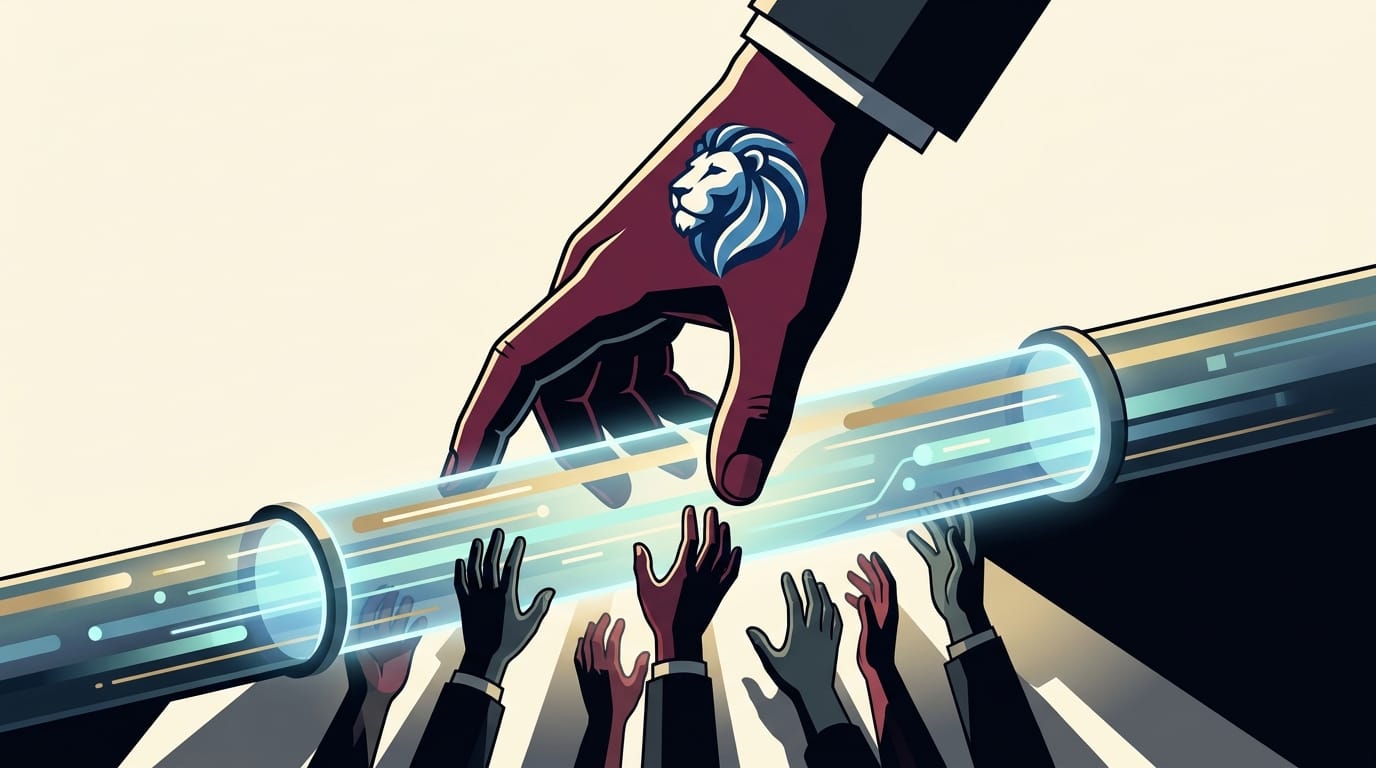
The numbers behind the current system explain why the gap matters. Only US$0.36 of every dollar that enters a buying platform actually reaches a consumer, with US$0.29 consumed in ad tech fees alone. In 2025, US$26.8 billion in programmatic ad spend was wasted or unproductive, with US$12 billion going to unnecessary tech margin extraction. These aren't new problems. What's new is that Omnicom is talking about them openly.
Why Direct Deals Are Harder Than They Sound
There is a structural reason holding companies find it hard to follow through. One ad tech executive explained that it's standard practice for holding groups to lock in annual spending commitments with major publisher groups. These look like a target of, say, US$10 million through a given publisher over the year. But when that money flows through 17 different buying platforms and 40 different selling platforms, tracking it becomes nearly impossible.
The direct-path push is partly driven by the need to track those commitments, not by altruism. "To the extent the payment can more directly go to the publisher, it just becomes much easier to track progress against these spend endeavors," said one anonymous ad tech executive.
Where the Savings Actually Go
Here's what the data shows about where supply chain savings actually land. Butler/Till's agentic buying tests delivered an 82% reduction in supply chain costs, a 40% lift in impressions, and a 30% drop in cost per thousand views. Those gains went to the advertiser client, not publishers.
Mission Media
GroupM saved US$1.5 million in supply fees by cutting the number of selling platforms it uses. That money stayed inside GroupM.
There's also a supply gap in Omnicom's vision. The universe of publisher-owned ad tech that can actually strip out fees is tiny: Ozone (backed by the Guardian, News UK, Reach, and Telegraph), People Inc's Decipher, and Reach's Mantis. Ozone reached £57.4 million in turnover in 2024 and has driven £400 million in incremental publisher revenue since its founding, but it operates primarily in the UK. There is no equivalent infrastructure in Asia-Pacific.
Looking for World-Class PR & Comms in APAC?
Tailored service packages for select brands and agencies.
What the Announcement Actually Signals
A senior holding group executive summed up the dynamic without hesitation: "In all this noise about AI and supply-path clean-up, holding groups still need to be seen to back journalism and publisher initiatives."
That's not cynicism for its own sake. It reflects a genuine structural tension. Omnicom's principal media business (where it buys inventory wholesale and resells it to clients) is a multi-billion-dollar revenue line. An investigation found that 34 of 41 sources confirmed agency rebates were never disclosed to advertisers. And 90% of marketers now say they're uncertain whether the media their agency recommends is actually in their best interest.
Omnicom's agentic media buying is real. The technology works. The question is whether, when the supply chain shortens, the margin that disappears from ad tech reappears in publisher invoices or just shifts into Omnicom's own P&L.
Based on the pattern so far, publishers should read the press releases carefully and wait for the wire transfers.
Want to reach thousands of marketing and comms professionals across Asia?
Get your brand in front of industry decision-makers.
Partner with Mission Media →


