
The TV-First Sports Campaign Model Is Dead. Here's What Replaced It
Coca-Cola's Powerade campaign for FIFA World Cup 2026 signals the death of the TV-first sports marketing model. Brands now embrace social-first, creator-led activations across 50 markets, with implications for Asian marketing leaders navigating fragmented, mobile-first audiences.

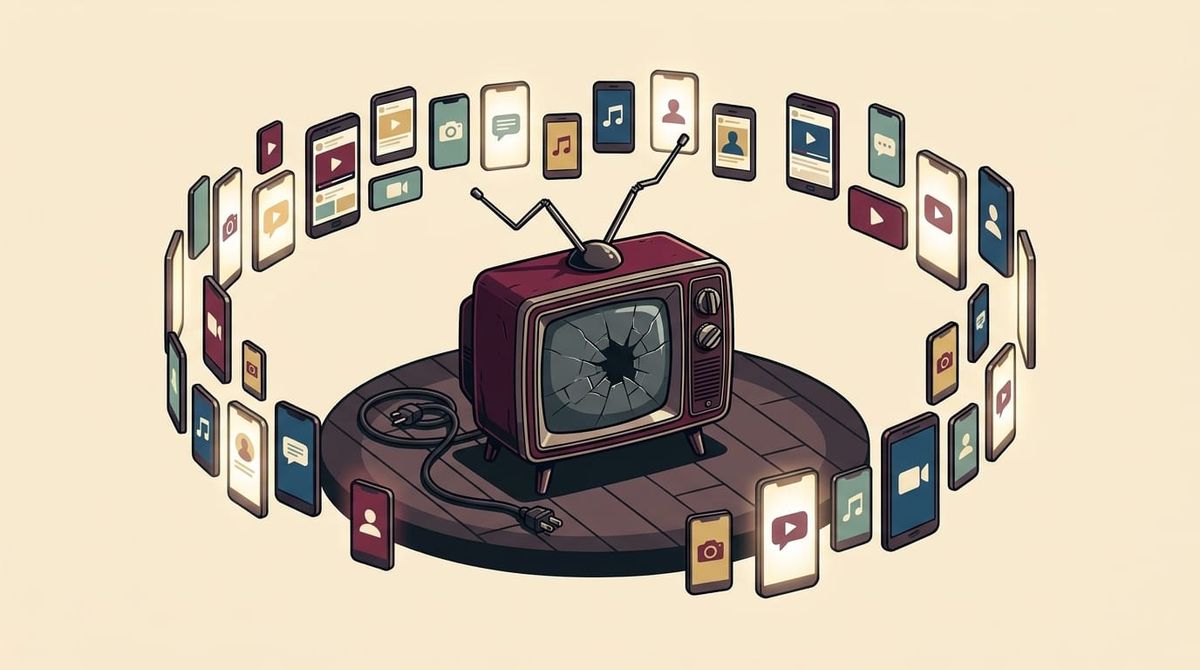
For decades, a great sports campaign meant one thing: a powerful TV commercial. You bought the primetime slot, hired the superstar athlete, and waited for the cultural moment to land. That was the playbook. Everyone followed it.
Coca-Cola just tore it up.
The company's Powerade campaign for FIFA World Cup 2026 is officially labeled "social-first." The TV spot exists, but it's no longer the centerpiece. It's one piece of a much bigger puzzle, and that shift tells you everything about where sports marketing is heading.
The Hero Asset Is Dead

There used to be one thing every brand chased at a major sporting event: the hero asset. One big, expensive TV ad that would anchor the entire campaign. You'd build everything else around it.
Powerade's "Power Your Fate" campaign works differently. Coca-Cola is running the initiative across TV, outdoor advertising, social media, digital platforms, and live athlete activations simultaneously, in 50 markets around the world. Each market gets its own local creators to amplify the campaign in their own language and culture. The TV spot featuring Lamine Yamal and Rodrygo Goes is still there. But it's one spoke in a wheel, not the wheel itself.
As Mickael Vinet, Coca-Cola's VP for Global Sports, Music and Entertainment, put it: "It's a combo of TV, media, and social, and we'll have it in 50 markets around the world. Each country will have its own dedicated amplification."
This isn't just a stylistic choice. It reflects a hard reality about where audiences actually are.
Looking for World-Class PR & Comms in APAC?
Tailored service packages for select brands and agencies.
Fans Have Two Screens Now
The numbers are striking. 93% of World Cup 2026 fans plan to watch with a second screen in hand. Over 90% of fans under 30 follow sports primarily through social media. Video views for global football have grown 453% over five years.
Linear TV advertising spend is declining, projected to fall from US$123.5 billion in 2025 to US$120.3 billion in 2026. Creator advertising, meanwhile, is heading in the opposite direction, from US$37 billion in 2025 toward US$44 billion in 2026.
Brands don't lead audience behavior. They follow it. And the audience has moved.
A Coca-Cola spokesperson acknowledged this plainly: "Fan attention is far more fragmented than it once was, especially during major live events, where people are often watching with a second screen in hand. That means cut-through comes not just from a single hero asset, but from a connected 360 approach."
Creators and Athletes Are Becoming Interchangeable

Here's something that would have seemed strange five years ago: Coca-Cola no longer ranks athletes above creators in campaign planning. They serve different, complementary roles.
Athletes bring credibility and performance authority. Creators bring cultural fluency and relatability, the ability to translate a brand message into everyday conversation. As Coca-Cola's own communications team explained, it's "less about treating social as an add-on, and more about building content that can live credibly across social, athlete, and creator touchpoints from the start."
This matters because it changes how sponsorship deals are structured. Shorter contracts. Platform-specific deliverables. Instagram, YouTube, and podcasts built in from the start, not bolted on afterward. The old model of long-term exclusive broadcast sponsorship is giving way to something more fluid and more local.
The holding company sector has noticed. Publicis acquired sports and culture agency 160over90 for approximately US$500 million in 2025. The message was clear: the agencies that will win in sports marketing are not those with the biggest TV buying desks. They're the ones with creator intelligence and cultural fluency.
Worth noting: Coca-Cola reports its Powerade campaign as its biggest-ever global activation, though independent measurement of whether the social-first model delivers better commercial returns than the old broadcast-anchored approach remains limited at this stage of the rollout.
What This Means for Asian Brands
The implications for marketing leaders in Asia are more direct than they might appear. Southeast Asian audiences are already deeply mobile-first. Creator culture, particularly in markets like the Philippines, Indonesia, and Thailand, is not an emerging trend. It's the default.
Coca-Cola's own history in the region illustrates the point. A Filipino creator posted a video surprising a family member with a personalized Coke bottle, and the organic reaction reignited the company's decade-old #ShareACoke campaign across the Philippines. No TV budget could manufacture that. No single hero ad could sustain it.
SPORTFIVE's analysis of ASEAN sports marketing consistently finds that the brands winning regional football partnerships are those that lean into hyper-local activation, not global broadcast uniformity. This is exactly what Coca-Cola is doing across its 50-market World Cup structure.
For brands evaluating their own sports sponsorship strategies, the question is no longer "what's our TV spot?" It's "how does this campaign live across every platform, in every market, with the right local voices carrying it forward?"
TikTok's first-of-its-kind deal with FIFA as the preferred platform for World Cup 2026 makes the structural change official. Social media is no longer supplementary to the tournament's media ecosystem. It's central to it.
The 30-second TV spot isn't disappearing entirely. But its era as the defining creative moment of a sports campaign is over. The brands adjusting to that reality now will be far better positioned when the World Cup kicks off in June.
Want to reach thousands of marketing and comms professionals across Asia?
Get your brand in front of industry decision-makers.
Partner with Mission Media →


