
adidas Bets $1B on Celebrity While Rivals Double Down on Algorithms
adidas bets $1B on celebrity for World Cup 2026 while Nike and rivals lean algorithmic. A strategic pivot on brand-building in the age of AI.


adidas just dropped its most expensive marketing card of the decade. A five-minute cinematic film called Backyard Legends stars Timothée Chalamet, Lionel Messi, Bad Bunny, Jude Bellingham, and seven other athletes and musicians. The brand calls it its largest celebrity ensemble in campaign history.
The timing is deliberate. FIFA World Cup 2026 kicks off June 11 across the United States, Canada, and Mexico. An estimated 6 billion people will engage with the tournament. adidas sponsors 13 national teams including Argentina, Germany, and Italy.
This is a big swing. And the numbers behind it deserve scrutiny.
The Setup: adidas Is Pivoting Away From Its Own Digital Strategy
Until recently, adidas was betting heavily on digital. The brand allocated over 65% of its 2024 marketing budget to digital channels, leaning into the same algorithmic, performance-driven playbook that most global brands have chased for the past decade.
Backyard Legends signals a visible reversal. Directed by Mark Molloy and produced by SMUGGLER for agency LOLA USA, the film is cinematic entertainment first and advertising second. It invokes 1990s nostalgia (Zidane, Beckham, Del Piero rendered via CGI), positions current stars like Lamine Yamal and Florian Wirtz alongside legends, and wraps it all in a brand platform called "You Got This."
adidas VP Global Brand Communications Florian Alt framed it in emotional terms: "Everyone remembers that feeling: playing for the joy of it, no pressure, no expectations."
That's a nice line. It doesn't explain the budget math.
What the Numbers Say (and Don't Say)
adidas has committed to a lifetime partnership with Messi reportedly worth US$1 billion. David Beckham's deal was reportedly US$160 million. Those are not campaign line items. They are decade-scale bets on what celebrity does for brand equity.
 Mission Media
The data gives adidas some cover. Celebrity endorsements deliver average sales lifts of 4% and brand equity improvements of 10-30% over traditional marketing. Multi-celebrity campaigns generate stronger consumer responses than single-star approaches.
But here's what adidas is not saying: micro-influencers deliver US$5.20 in return for every US$1 spent, at 60% better engagement rates, for roughly one-tenth the cost. US programmatic ad spending is projected to exceed US$203 billion in 2026, up 12.5% year on year. Most brands are doubling down on algorithmic efficiency. adidas is swimming against that current.
Harvard Business Review put it bluntly in February 2026: "AI can optimize, but it cannot make people care." That's the thesis adidas is betting on.
Looking for World-Class PR & Comms in APAC?
Tailored service packages for select brands and agencies.
Nike Is Playing a Different Game
adidas's main rival is not running a celebrity blockbuster. Nike's World Cup 2026 push centers on "Winning Isn't for Everyone" and a street-culture activation called "Toma El Juego" in Los Angeles. It's a scrappier, culture-first approach. Nike sponsors Brazil, France, England, and the United States.
The contrast is deliberate on both sides. adidas holds 29% global football market share. Nike dominates overall sportswear at 16% of the broader market. For adidas, football is existential. That makes the World Cup a moment where pure brand fame may matter more than cost-per-click.
What Asian Marketing Leaders Should Watch
For marketing executives in Asia, the adidas playbook is instructive but not universally applicable.
Mission Media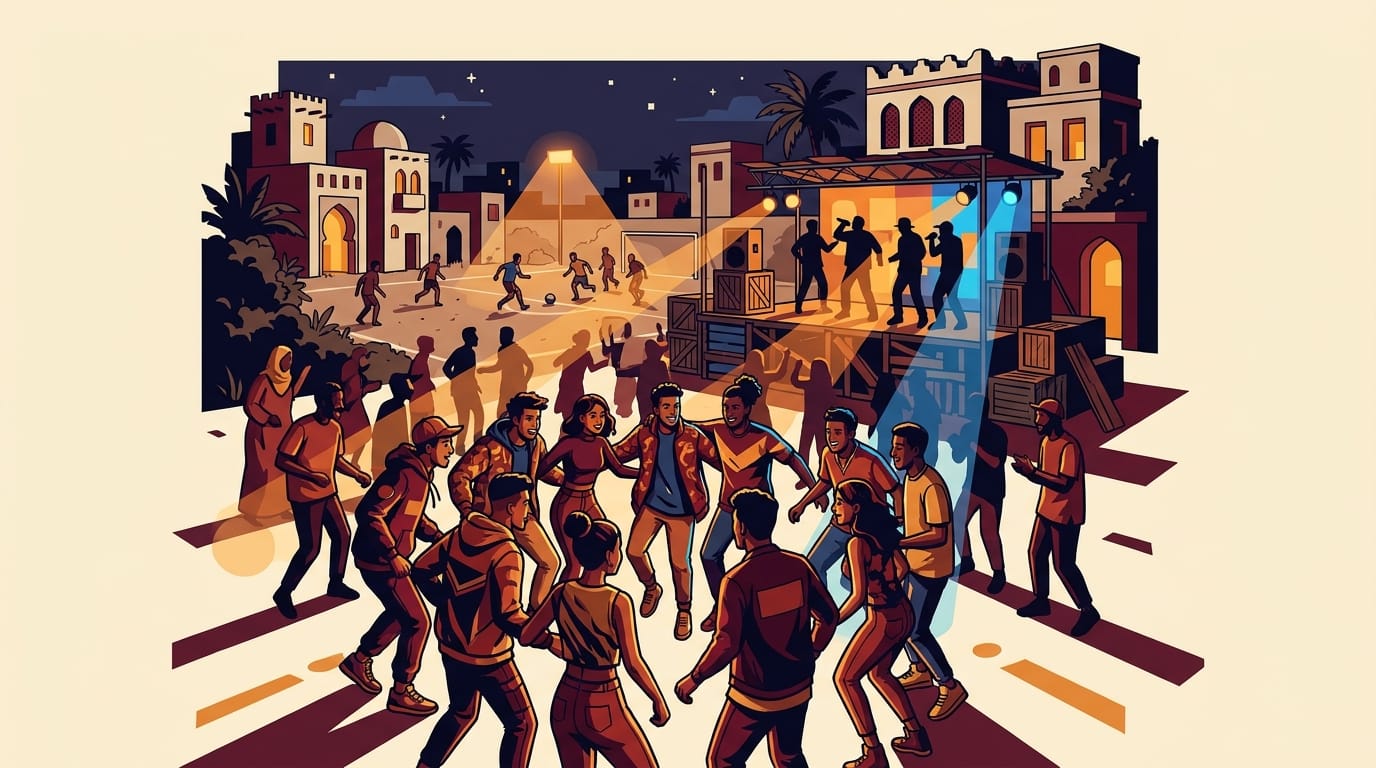
The World Cup creates a compression window where mass celebrity reach commands premiums that algorithmic targeting cannot match. That logic holds in Asia too, where major sporting events (Asian Games, AFC tournaments, cricket World Cups) create similar moments of collective attention.
The deeper lesson is strategic: adidas is not abandoning digital. It is using celebrity and nostalgia to build the emotional foundation that makes digital retargeting convert better downstream. The Backyard Legends film generates earned media. The algorithms then amplify what celebrity already made people feel.
That sequencing is the real play. And it's one most performance-obsessed marketing teams rarely budget for.
Want to reach thousands of marketing and comms professionals across Asia?
Get your brand in front of industry decision-makers.
Partner with Mission Media →


