
Diabetes Australia Uses Food Industry's Own Playbook Against It
Diabetes Australia deployed the food industry's playbook in a radio campaign. How creative cause marketing outperforms clinical warnings.

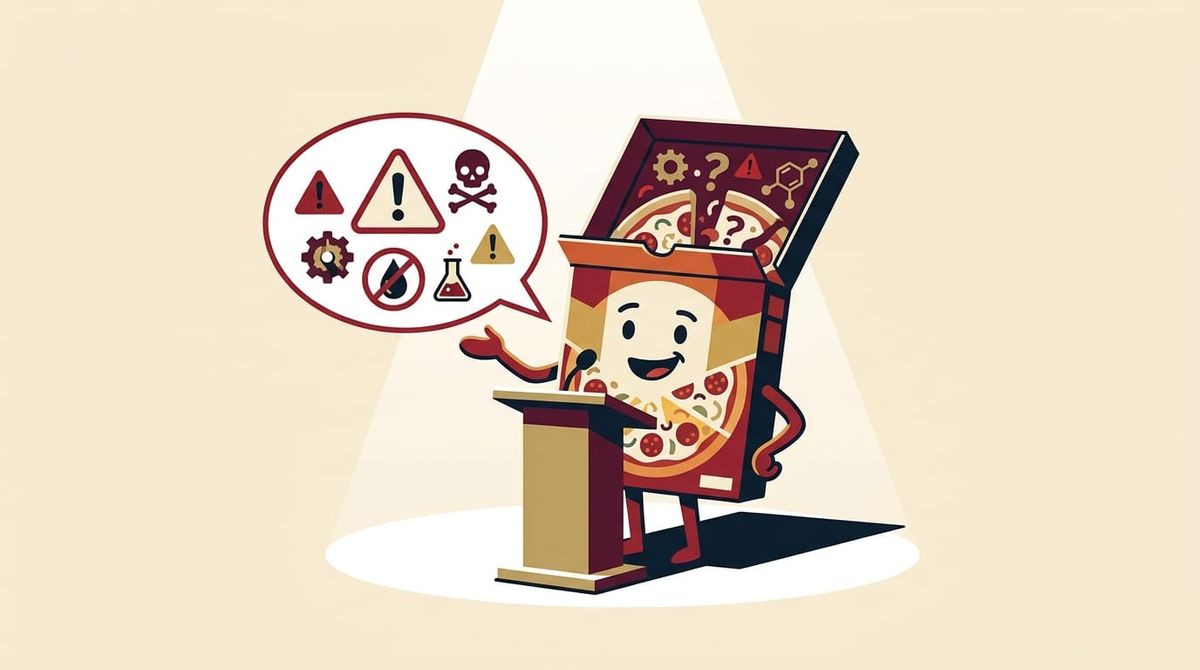
A frozen pizza that sings about its own ingredients. A flavored yogurt that admits what's hiding in the packet. Australia's peak diabetes body just did something most health organizations never dare to try: it borrowed the commercial food industry's own playbook and turned it into a warning.
Cocogun, a Sydney-based independent agency, worked with sound house Smith & Western to produce a series of Bluegrass hoedown-style radio ads for Diabetes Australia. The campaign launched in May 2026 across the Southern Cross Austereo network, including LiSTNR, Hit, and Triple M, putting it in front of the same audiences that commercial food brands spend millions to reach.
The creative hook is simple and deliberately unsettling. Each character introduces itself, traces its journey from factory to supermarket shelf, and exposes the processing, additives, and marketing tricks along the way. The point lands before the listener realizes they've been taught a lesson.
Using the Enemy's Weapons
What makes this campaign worth paying attention to is not the subject matter. It's the tactical choice.
 Mission Media
Diabetes Australia is using the same format that sells ultra-processed food, including music, characters, narrative, humor, and radio, to explain why that food is dangerous. Ant Melder, Creative Partner at Cocogun, called it "a takedown of the dark arts of marketing by an anthropomorphised packet of self-aware veggie chips."
That framing is not accidental. It positions Diabetes Australia as a counter-advertiser, matching commercial food brands in creative sophistication rather than retreating into clinical warnings that audiences tune out.
Alex Ball, Diabetes Australia's Chief Marketing Officer, put it plainly: "Tricksy marketing makes unhealthy food appear to be healthy." The campaign's response is to use the same trickery, transparently, to expose the original deception.
Looking for World-Class PR & Comms in APAC?
Tailored service packages for select brands and agencies.
Why Radio Still Cuts Through
Most health campaigns default to video or digital because those channels feel modern. Radio rarely gets considered for serious public health messaging.
The numbers make a case for rethinking that. Audio ads capture 50% more attention per impression compared to other formats. Brand recall from audio advertising lifts by 24 to 45% on average, and spoken brand mentions improve memorability by over 30%.
On streaming platforms like Spotify, average audio ad completion rates run above 91%. Compare that to digital display, where most ads are scrolled past or ignored.
For a message anchored to a single statistic, that regular consumption of ultra-processed foods raises the risk of type 2 diabetes by 53%, a format that holds attention and drives recall is exactly what the creative needs to work.
What This Tells Marcomms Leaders
Cocogun has built a track record in campaigns that most agencies would decline. Its "Call to Balls" campaign for Virtus Health tackled Australia's sperm donor shortage with irreverent wordplay and attracted coverage from Campaign Asia, LBB Online, B&T, and Mumbrella.
Mission Media
The pattern is consistent. Both campaigns take taboo or stigmatized health topics. Both use humor to lower defenses. Both deploy media channels that create reach without preachiness.
Nick West, co-founder of Smith & Western, described the approach this way: "Music gave us a unique way to deliver a confronting message without feeling preachy. By turning these ultra-processed foods into charming, self-aware characters, we could draw people in with humour and personality before revealing the darker truth."
Published research on Australian diabetes communication campaigns found that stigma-heavy messaging not only failed to shift attitudes but actually increased misconceptions about the condition. The Cocogun approach directly solves for that failure: the audience is entertained first, educated second.
For communications leaders considering cause marketing, the Diabetes Australia campaign illustrates a principle worth keeping. Audiences are not waiting to be informed. They are waiting to be engaged. The information is the payload, not the hook.
Adweek called it "the latest banger to come out of Australia dropped by a health care company," which suggests this approach is being noticed well beyond the local market.
Want to reach thousands of marketing and comms professionals across Asia?
Get your brand in front of industry decision-makers.
Partner with Mission Media →


