
Chinese Tech Giants Rush to Secure Huawei AI Chips After DeepSeek V4 Launch
ByteDance, Tencent, and Alibaba are locking up Huawei's Ascend 950 chips after DeepSeek optimized V4 for domestic hardware. Supply constraints intensify.


Something significant happened in China's tech world last week. DeepSeek released its V4 AI model on April 24, and the chip market hasn't been the same since.
The reason is straightforward. DeepSeek built V4 specifically to run on Huawei's Ascend 950 chips, not Nvidia's. That single design decision sent China's biggest tech companies scrambling to lock up Huawei chip orders before supply runs out.
The Rush for Domestic Chips
ByteDance, Tencent, and Alibaba are all reaching out to Huawei about new chip orders, according to people familiar with the procurement discussions. Cloud computing firms and GPU rental services are also in the queue.
This isn't a minor purchasing shift. ByteDance alone has committed to multi-billion-dollar orders for the Ascend 950PR, up from near-zero Huawei chip procurement just a year ago. Total committed orders from ByteDance, Alibaba, and Tencent already exceed 500,000 units, which is roughly 67% of Huawei's entire planned production of 750,000 units for 2026.
The timing matters. Huawei only began mass production of the 950PR in April 2026, with full-scale shipments expected in the second half of the year. Firms that wait risk getting locked out.
Why DeepSeek V4 Changed the Equation
DeepSeek's V4 comes in two versions: V4-Pro with 1.6 trillion parameters and V4-Flash with 284 billion. Both support a one-million-token context window, meaning they can process extremely long documents or conversations in one pass. Both are available as open-source models under a permissive MIT license.
 Mission Media
The Ascend 950PR is uniquely suited to run these models. It's the only domestic Chinese chip that supports processing AI calculations in a highly compressed format, allowing it to handle more computations per second at lower cost. That technical fit, combined with DeepSeek's strategic decision to optimize for Huawei silicon, makes the 950PR the logical hardware foundation for any Chinese firm deploying V4 at scale.
Alibaba Cloud moved immediately. Its Bailian platform made both V4-Pro and V4-Flash available on launch day with pricing matching DeepSeek's official rates. Tencent Cloud did the same through its TokenHub platform, deploying the model on nodes in mainland China and its Singapore international gateway within hours of release.
Tencent's Singapore rollout carries a strategic signal. Huawei-powered AI infrastructure is now actively serving international enterprise workloads, not only domestic users.
Looking for World-Class PR & Comms in APAC?
Tailored service packages for select brands and agencies.
The Export Control Paradox
US export controls were designed to limit China's AI development. The result has been the opposite.
By restricting Nvidia's H20 chip (Beijing later blocked it entirely on security grounds), Washington removed the main alternative that Chinese tech firms had available. The H200, Nvidia's more advanced chip, technically has US and Chinese approval for export, but it still hasn't shipped to China because Beijing and Washington can't agree on conditions. That regulatory limbo has given Huawei a window it might not otherwise have had.
As one Bernstein Research analyst put it: "The problem with banning [H20 chips] is you're effectively handing the AI market and training over to companies like Huawei or Cambricon or other local players."
DeepSeek is sweetening the transition with aggressive pricing. Until May 5, developers get a 75% discount: V4-Pro at US$3.48 per million output tokens and V4-Flash at US$0.28 per million. The company says V4-Pro pricing could drop further once Huawei supernodes ship at scale in the second half of 2026.
What This Means for Asia-Pacific Communications Leaders
The procurement story has a communications layer that's easy to miss.
Mission Media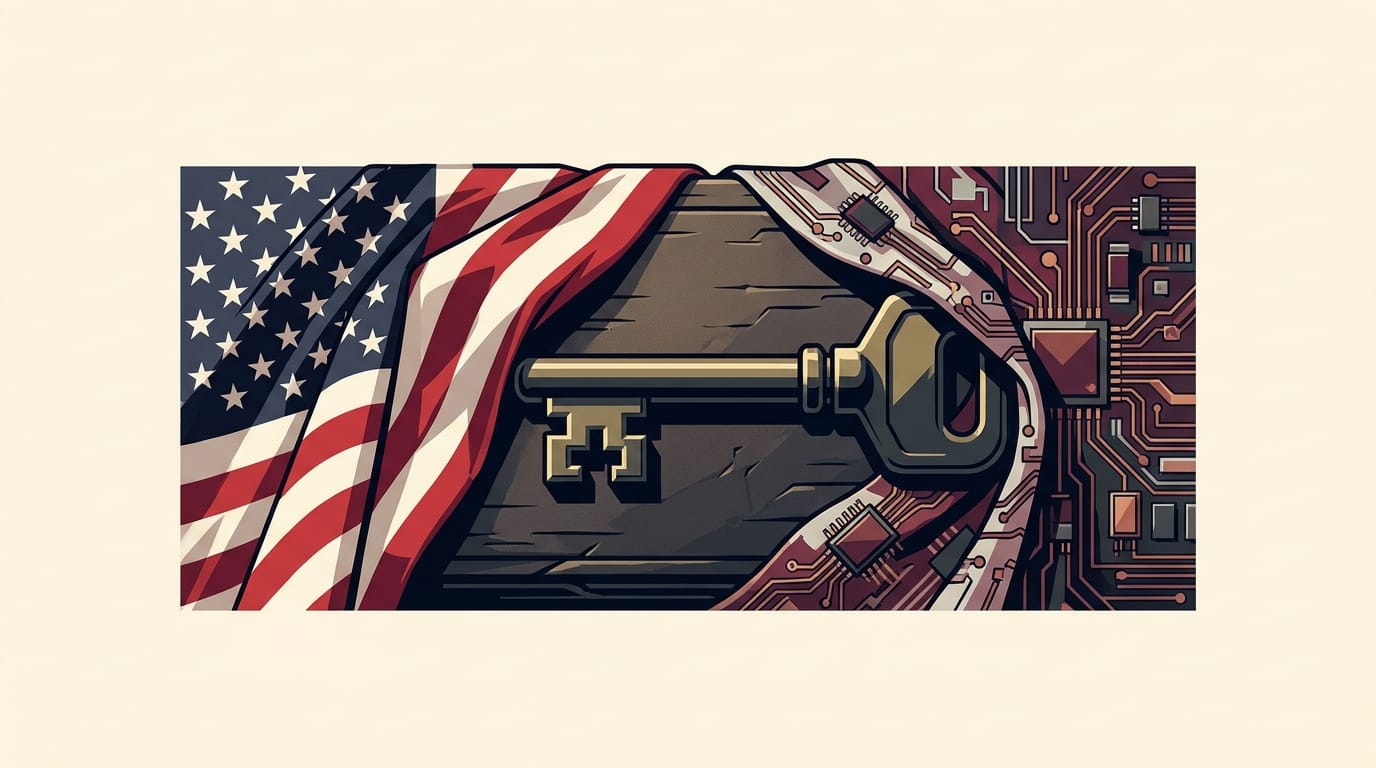
Chinese tech giants aren't just buying chips because they're available. They're buying them because doing so carries a message. Multi-billion-dollar commitments to domestic hardware, same-day deployments of homegrown AI models, and Singapore infrastructure rollouts are each a public signal about supply chain independence and technological self-reliance. Beijing's endorsement of the Huawei-DeepSeek collaboration makes the political dimension explicit.
For communications professionals across Asia-Pacific, this creates a new kind of context pressure. Clients in sectors that touch AI infrastructure, cloud services, or semiconductor supply chains will increasingly face questions about chip provenance and technological sovereignty. The narrative of Chinese AI running on Chinese chips, once an aspiration, is now a marketable reality that regional governments and enterprises are watching closely.
Supply constraints will keep this story in the news. Huawei's production is expected to fall short of demand due to US restrictions on advanced chipmaking equipment. Global memory chips used in AI hardware are sold out at major suppliers through 2026. The scramble for Ascend 950 chips is likely to intensify before it eases.
Want to reach thousands of marketing and comms professionals across Asia?
Get your brand in front of industry decision-makers.
Partner with Mission Media →


