
Independent PR Agencies Face Exodus as Consolidation Wave Accelerates
Independent PR agencies are losing veteran leaders as Omnicom's mega-merger reshapes the industry. Big holding companies are winning the technology arms race independents can't match.


After 21 years building one of Minneapolis' most respected independent communications agencies, Julie Batliner has left Carmichael Lynch Relate. The departure is quiet by industry standards. The context it arrives in is anything but. Batliner joined in 2005 and rose to president. Her exit in April 2026 follows a pattern playing out across the US PR industry: veteran leaders walking away from independent shops as the business of communications gets harder, faster, and more expensive. This is not an isolated goodbye. It's a signal.
Industry Consolidation Reshapes Agency Leadership
The backdrop is the biggest shake-up in agency history. In November 2025, Omnicom completed its US$13.25 billion takeover of IPG, making it the world's largest advertising holding company. The fallout has been swift. Porter Novelli is folding into FleishmanHillard. Golin is merging with Ketchum. At Weber Shandwick, two executives with 22 and 19 years of tenure respectively have already departed in the restructuring. Omnicom has cut around 4,000 jobs since closing the deal. The logic of scale is bruising for everyone underneath it.
The Capital Gap Independents Cannot Close
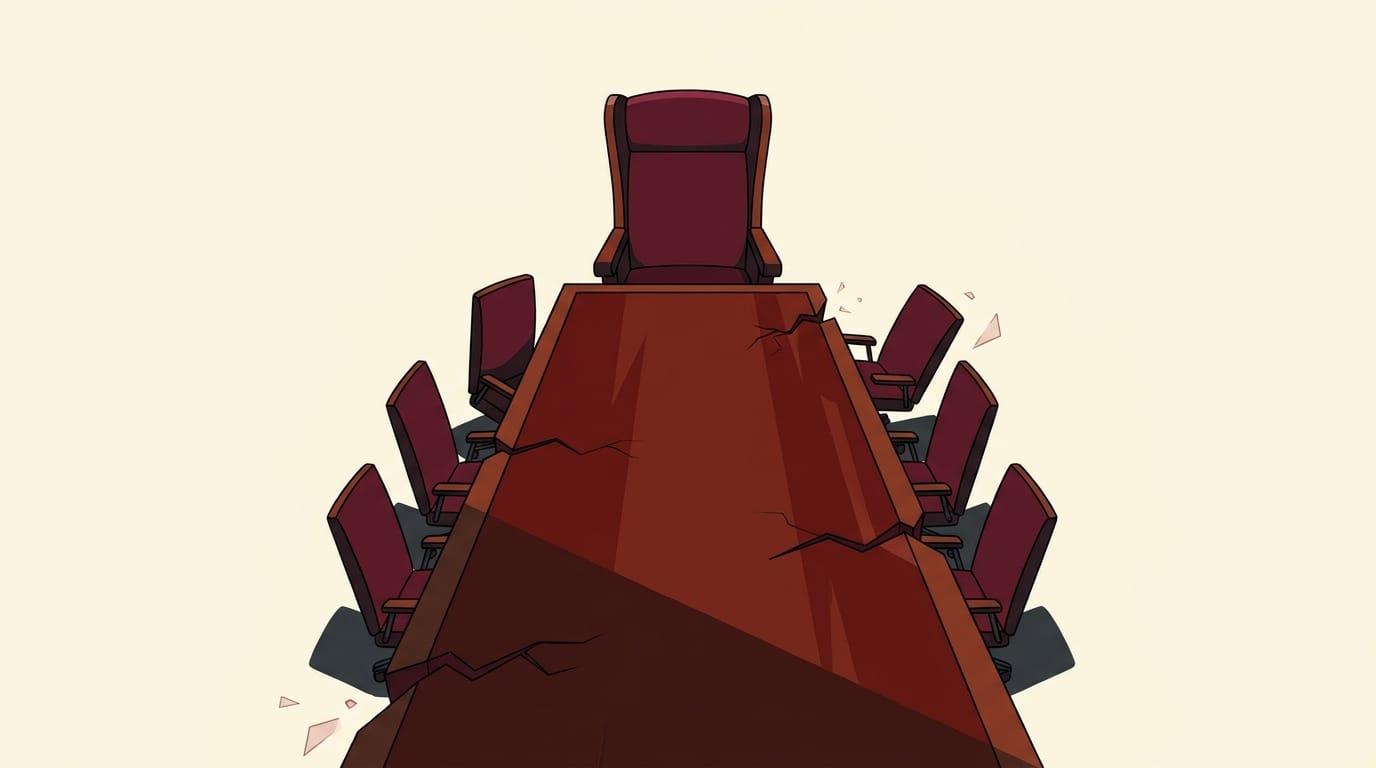
Here is what makes Batliner's exit particularly telling. Independent agencies like Carmichael Lynch Relate are not losing the battle for client preference. Research shows clients are prioritizing direct access to senior leadership and creative agility over the bureaucracy of global networks. But preference doesn't pay the server bills. The Big Six holding companies controlled 44% of total US ad spending in 2019. By early 2024, that share had dropped to 29.6%. They're losing ground on client budgets yet accelerating on technology investment. Publicis alone spent EUR1 billion on acquisitions in 2025, including data firms, influencer platforms, and an AI company, with another EUR1 billion earmarked for 2026. Independents cannot match that capital. And the holding companies know it. Some 40% of agencies recently acquired had significant digital and social media expertise, meaning the networks are buying independent capabilities rather than building them. One agency founder said plainly: "The next phase of investment particularly in technology and talent is only going to get more expensive, and founders are exploring mergers or partnerships with larger agencies."
Independence as Brand vs. Independence as Business Reality
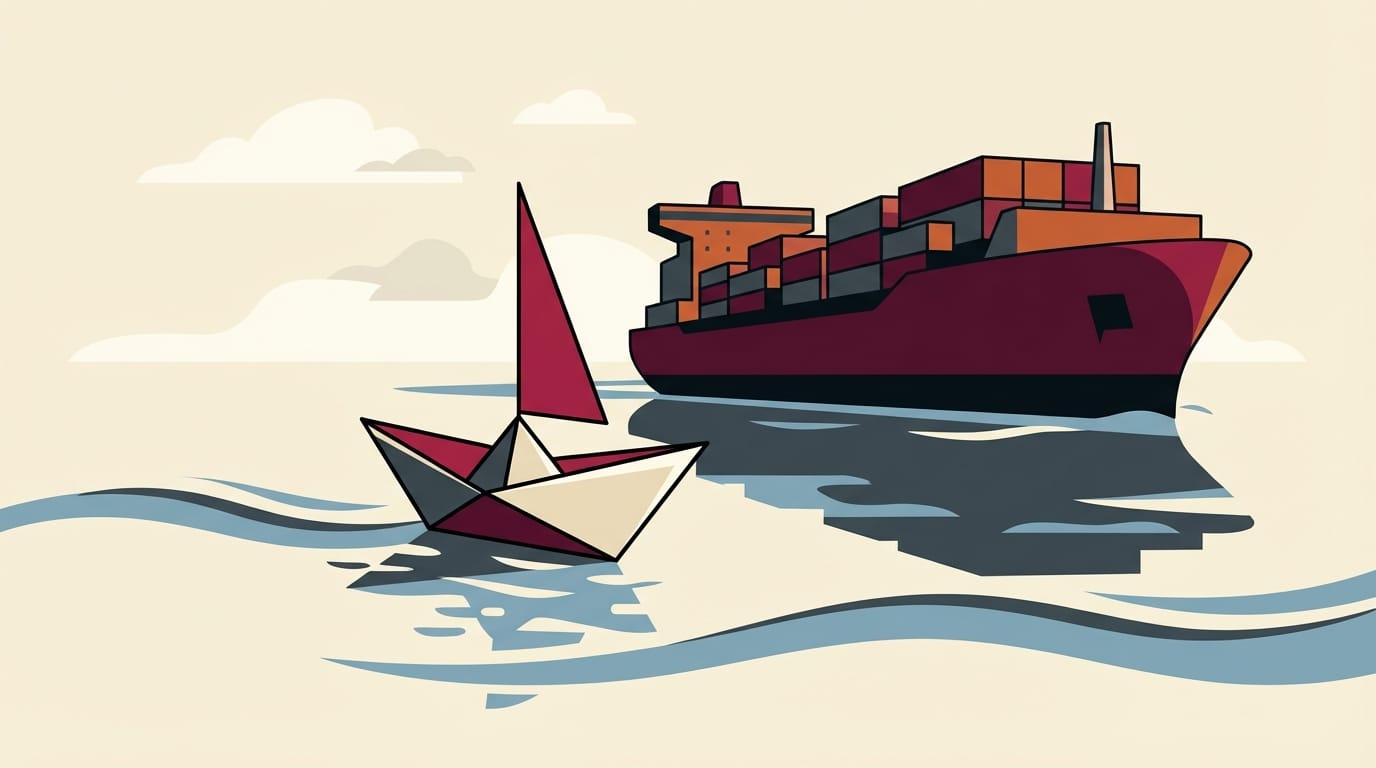
The industry narrative wants to frame consolidation as an opportunity. Some independent agencies are doubling down. XD Agency in February 2026 announced new leadership with explicit messaging around choosing independence as a differentiator. AdWeek reported that holding company talent is flooding into independent shops seeking more creative environments. But those stories mask a harder truth. Forrester forecasts that 15% of agency jobs will be eliminated in 2026 alone. The previous year saw an estimated 8% headcount reduction across dentsu, IPG, S4Capital, and WPP combined. Even WPP, the original global network giant, is targeting US$625 million in annual cost savings under its new CEO. For APAC marketing leaders, this is worth watching closely. Forrester and regional trade press have flagged 2026 as a year of intensified agency reviews across Asia-Pacific. Clients will be asked to simplify their agency rosters. The question is which firms, independent or network-owned, will survive the cut.

Batliner built something real over 21 years. The fact that her departure barely makes a ripple says something about where the industry's attention has shifted. And that should concern anyone whose business depends on independent creative voices staying in the game.
Want to reach thousands of marketing and comms professionals across Asia?
Get your brand in front of industry decision-makers.
Partner with Mission Media →


